
Telecare Device Remote Management: A Guide for Scalable Telecare Deployment

2026-09-22

Deploying 50 telecare devices is very different from managing 5,000 devices across homes, care facilities, cities or countries. For telecare providers, PERS companies and elderly care organizations, hardware deployment is only the beginning.

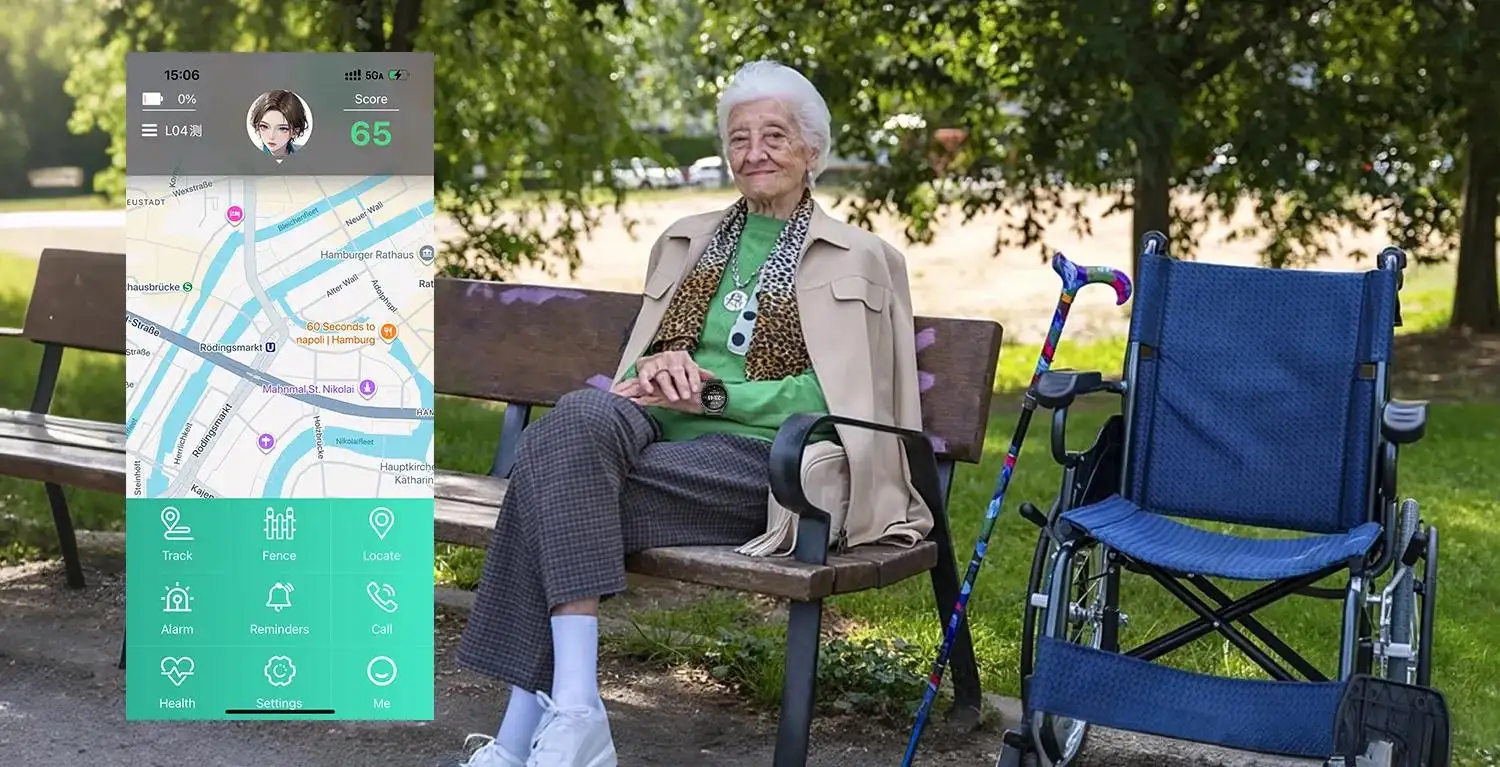
Once devices enter the field, operators need continuous visibility into connectivity, battery status, firmware versions, communication settings and device health. This makes Telecare Device Remote Management a core requirement for scalable telecare operations.
A well-designed telecare device platform can support centralized remote device management, reduce manual maintenance and give operators better control throughout the device lifecycle.
What Is Telecare Device Remote Management?
Telecare Device Remote Management refers to the centralized monitoring, configuration, maintenance and troubleshooting of connected telecare devices through a cloud platform, private server or IoT device management system.
Typical capabilities include:
•Online/offline telecare device monitoring
•Battery, SIM and network status
•Device activation and user binding
•Remote device configuration
•GPS and heartbeat interval settings
•SOS and alert parameter management
•Firmware version tracking
•OTA firmware update
•Device grouping and batch operations
•Server and communication configuration
•Remote diagnostics and troubleshooting
These functions become increasingly important as a deployment grows from a pilot project into a large device fleet.
Why Remote Device Management Matters in Telecare
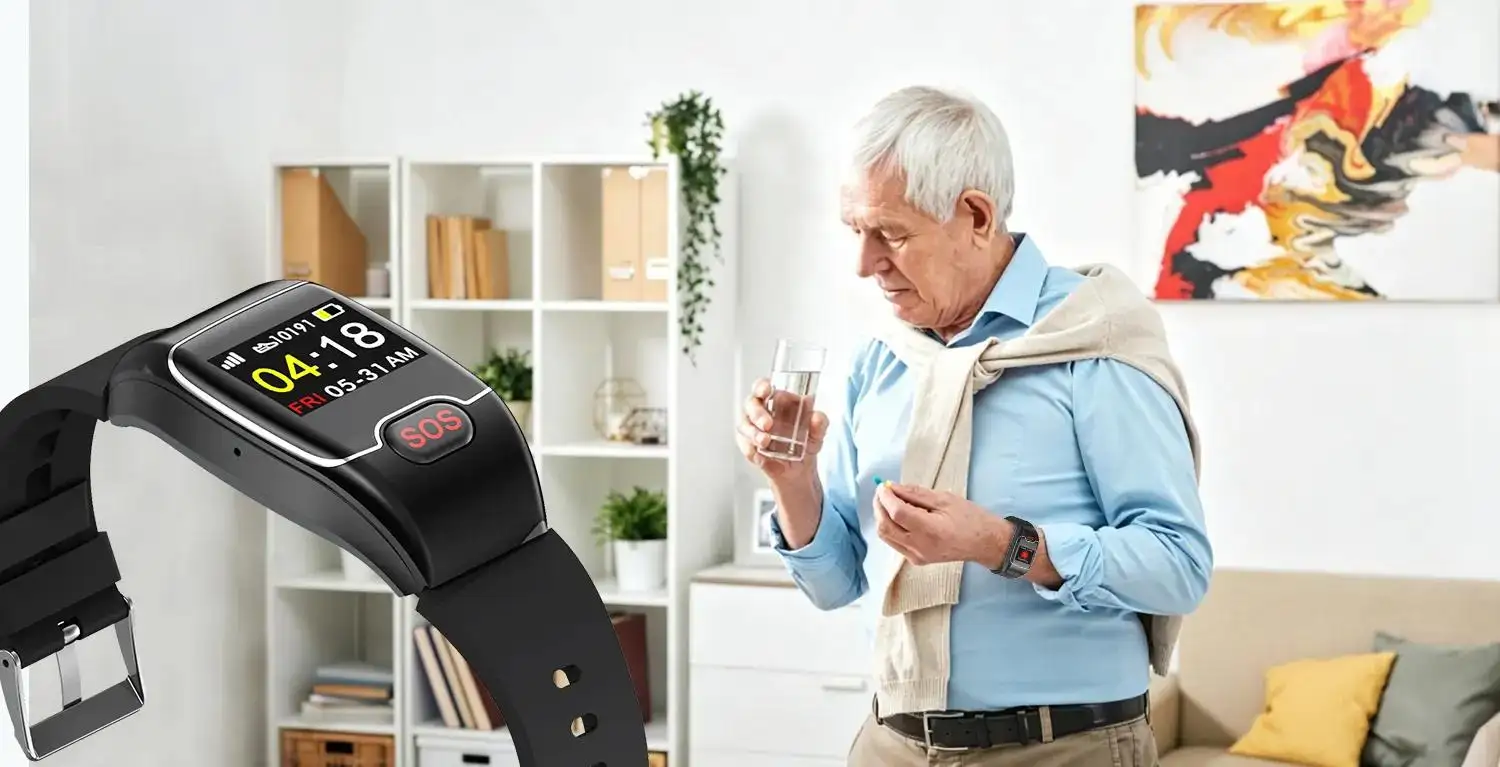
Consumer wearables are normally managed by individual users. Telecare devices are different because one organization may be responsible for thousands of elderly smartwatches, GPS trackers, SOS pendants and other remote monitoring devices.
If one hundred of the provider's 3000 connected devices stops responding, technicians need to determine whether the devices stopped responding due to:
•Components of the device
•SIM cards
•Mobile network coverage
•APN configurations
•Firmware
•Communication with the server
•Parameters of the device
Without remote management of the devices, the provider's technical support may be reliant on calls, manual checks, and device returns.
With centralized telecare remote monitoring, support teams can assess device data to determine whether field intervention is required.
Core Features of a Telecare Device Platform
| Management Function | Typical Information or Action | Operational Value |
| Device Monitoring | Online status, battery, network, last communication | Faster fault identification |
| Remote Configuration | GPS interval, APN, SOS settings, server address | Fewer manual adjustments |
| Firmware Management | Version tracking and OTA deployment | Easier fleet maintenance |
| Device Grouping | Customer, region, firmware, batch | Scalable fleet control |
| Remote Diagnostics | Network, SIM, configuration and server status | Reduced unnecessary returns |
1. Telecare Device Monitoring
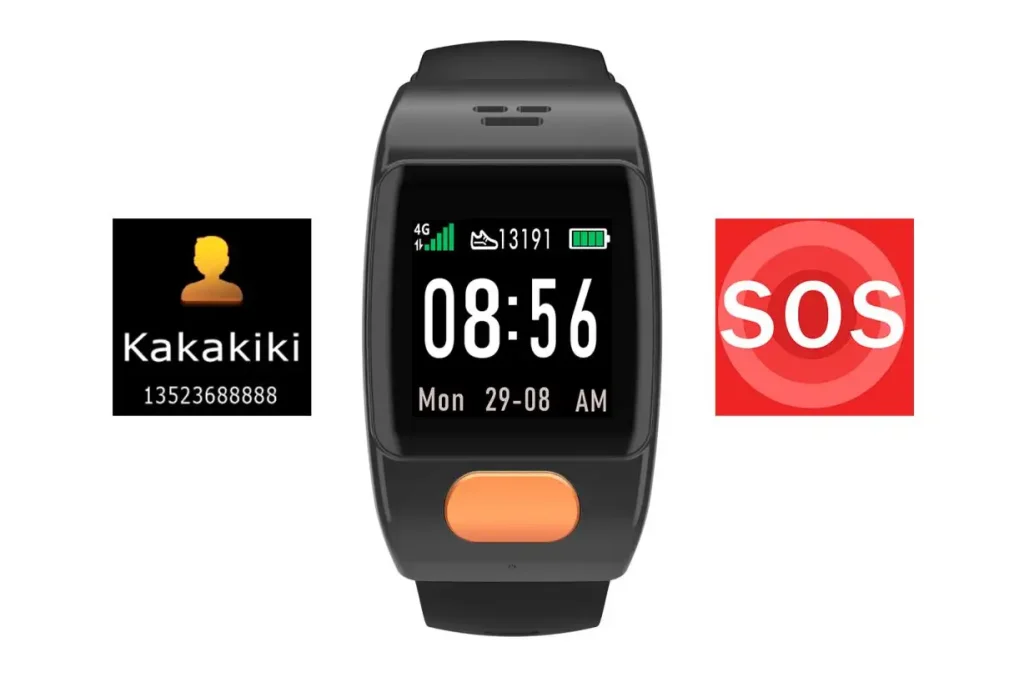
A stand-out feature of a telecare device management system is provision of a device management dashboard.
Such a dashboard may include:
•Device ID, IMEI
•Online or offline status
•Last communication timestamp
•Battery level
•Network status
•SIM data
•Firmware version
•Status of GPS reporting
•Object bound to the user
•Current system configuration
By having a telecare device monitoring system, operators can proactively identify device issues that would normally have been raised by a caregiver or user.
2. Remote Device Configuration
Different telecare projects often require different operating parameters. A nursing home may need different location reporting intervals from a home-care provider, while a PERS operator may use customized SOS workflows or server settings.
Depending on firmware architecture, remote device configuration can include:
•GPS upload intervals
•Heartbeat intervals
•SOS contact settings
•APN settings
•Server IP or domain
•Health monitoring intervals
•Alert parameters
•Time zone
•Location reporting settings
Buyers should therefore define remote configuration requirements with the telecare device manufacturer before mass production.
OTA Firmware Update for Deployed Devices
Firmware requirements often continue to change after deployment. Bugs may need correction, network performance may require optimization, or customers may request new functions.
An OTA firmware update enables compatible devices to receive firmware remotely instead of being physically recalled.
For larger projects, buyers should confirm whether the system supports:
•Updates to individual devices
•Group-based OTA deployment
•Pilot-group testing
•Firmware version tracking
•Customized firmware packages
•Failed-update recovery
•Controlled staged rollout
A common deployment strategy is:
Internal Test Devices → Pilot Group → Limited Deployment → Full Fleet
This staged OTA firmware update process can reduce deployment risk.
Managing Thousands of Telecare Devices
Scalability is one of the most important considerations in Telecare Device Remote Management.
Managing each device individually may work for 50 units, but not for 5,000 or 50,000.
A scalable IoT device management architecture should allow devices to be grouped by:
•Customer
•Care organization
•Geographic region
•Device model
•Firmware version
•Service plan
•Deployment batch
Batch management allows operators to configure, monitor or update groups of devices rather than treating every unit separately.
API Integration and Private Server Support
Many telecare companies already operate their own monitoring centers, caregiver applications or PERS platforms. In these projects, a separate manufacturer dashboard may not be enough.
A typical integration architecture may look like:
Telecare Device → Cellular/Wi-Fi → Server → API/Protocol → Customer Platform → Monitoring Center
Depending on the project architecture, integration may use REST API, HTTP or TCP/IP communication.
A flexible telecare device platform can therefore support both device management and connection with existing customer workflows.
Some organizations may also prefer private-server deployment for greater control over:
•Device data
•User information
•API architecture
•Server access
•Data retention
•Internal workflows
Server architecture, firmware communication and Telecare Device Remote Management should therefore be planned together.
Remote Troubleshooting Reduces Field Maintenance
Not every device problem is a hardware failure.
Poor network coverage, SIM settings, APN configuration, firmware, server parameters or communication settings can all interrupt service.
Remote diagnostic data helps technical teams narrow down the cause before requesting a return. For international deployments, this can significantly reduce unnecessary logistics and shorten troubleshooting cycles.
Questions to Ask a Telecare Device Manufacturer
Before selecting a telecare device manufacturer, B2B buyers should ask:
•What device information can be monitored remotely?
•Which parameters support remote configuration?
•Is OTA firmware update supported?
•Can OTA updates be deployed by group?
•Can devices be grouped by customer or project?
•Can devices connect to our private server?
•Which APIs and protocols are supported?
•Can firmware communication logic be customized?
•How are firmware versions managed?
•Can the platform scale from pilot to mass deployment?
OEM/ODM Telecare Device Remote Management
At JiAi, we develop connected elderly care products including elderly smartwatches, screenless wristbands, GPS trackers and telecare devices for B2B customers.
Depending on project requirements, customization can involve hardware, firmware, communication protocols, applications, server integration and cloud platforms. Integration through REST API, HTTP, TCP/IP or private-server communication can also be discussed according to the device and project architecture.
For OEM/ODM projects, Telecare Device Remote Management should be defined before mass production rather than added after deployment.
A scalable telecare system is not only about manufacturing reliable hardware. It also requires effective telecare remote monitoring, remote device management, secure firmware maintenance and a practical long-term device management architecture.
For companies planning elderly care, PERS or remote monitoring projects, JiAi can discuss how device hardware, firmware and platform integration can fit into the broader telecare ecosystem.
FAQs
Q1: What kinds of telecare devices does JiAi Intelligent Technology develop?
JiAi Intelligent Technology develops a range of B2B elderly care telecare devices, from smartwatches to GPS trackers. Each product can be customized to meet the needs of different caring, PERS and remote monitoring scenarios.
Q2: Does JiAi Intelligent Technology do Telecare Device Remote Management?
JiAi is open to Telecare Device Remote Management within OEM/ODM projects. This may involve management of device status, configuration, firmware control, and OTA updates as well as communication with the server.
Q3: Can JiAi devices support OTA firmware updates?
According to the hardware, firmware and project design selected, JiAi can develop products that support OTA firmware updates. Such products can receive firmware updates without the need to send the devices back.
Q4: Can JiAi do remote device configuration?
Yes, intervals and settings for GPS reports, heartbeat sensor, server address, etc., can be set remotely.
Q5: Can JiAi telecare devices connect to a customer's private server?
JiAi can offer integration with a private server for customers who wish to establish their telecare system and control center. Communication architecture can include REST API, HTTP, TCP/IP or other types of project-related protocols.