
Elderly Care Wearable Interoperability: Integration for Telecare and Healthcare Systems

2026-09-22

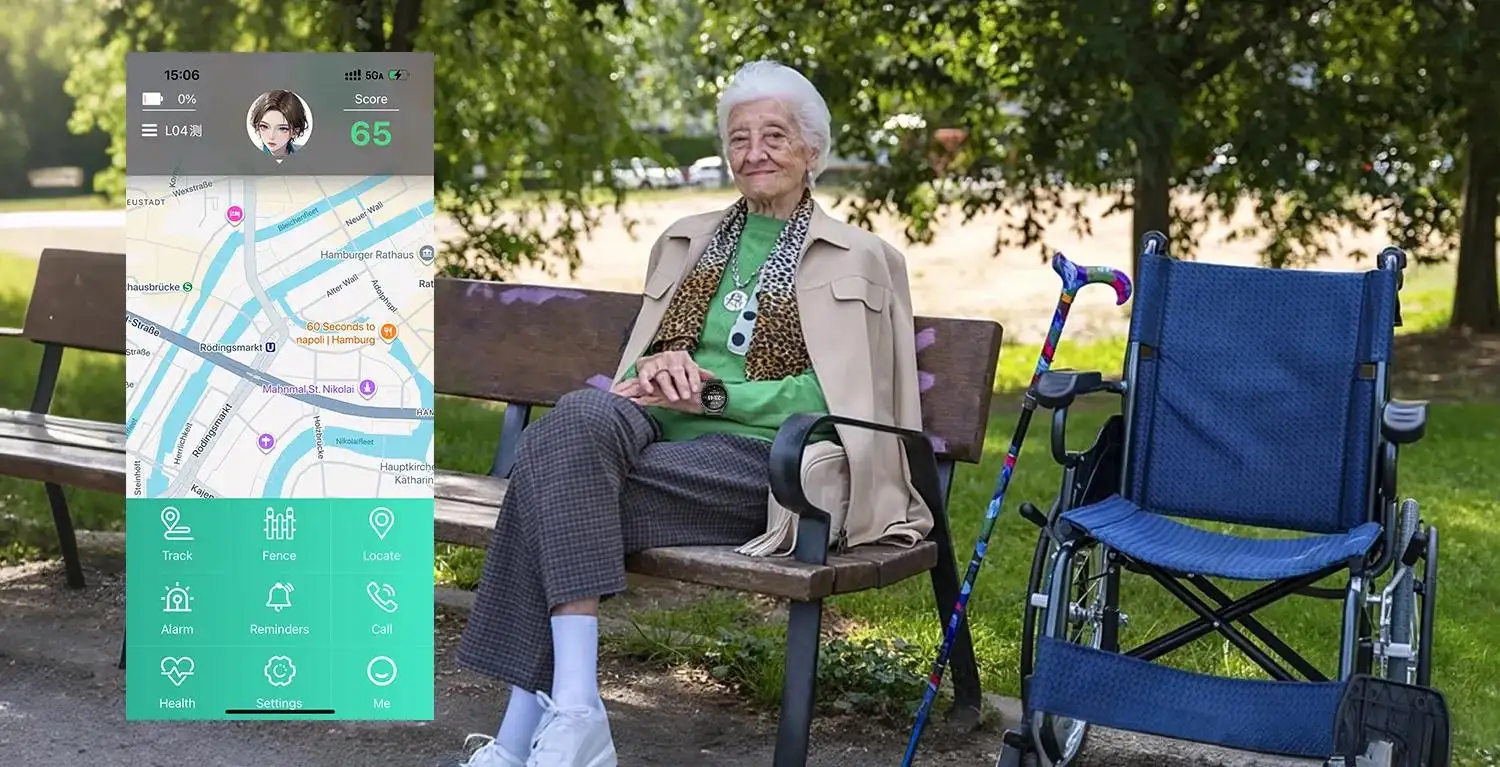
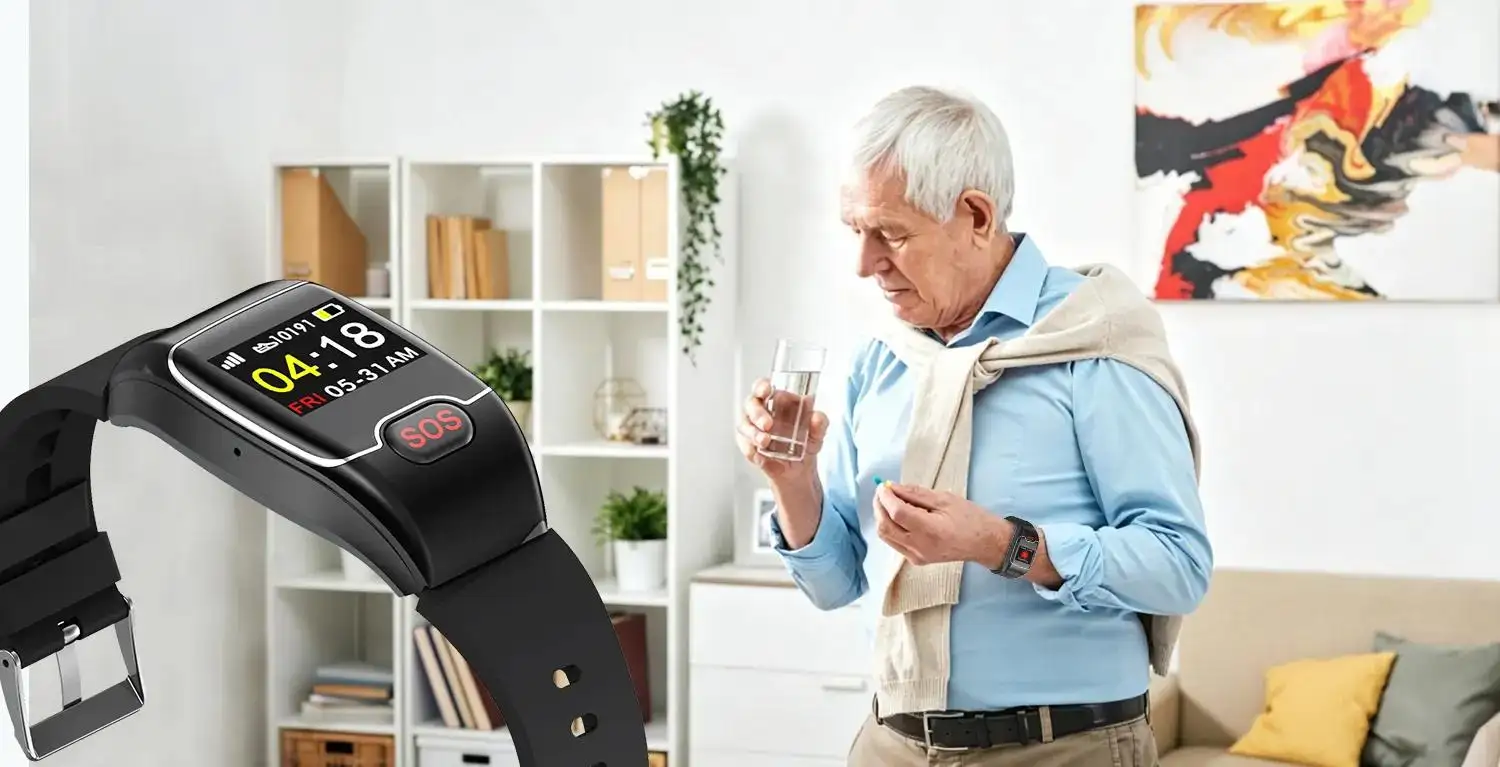
Wearable devices are becoming an important part of elderly care, remote monitoring, healthcare, and telecare services. GPS smartwatches, SOS pendants, emergency buttons, and health-monitoring wearables can provide location, safety, and health data to caregivers and monitoring centers.
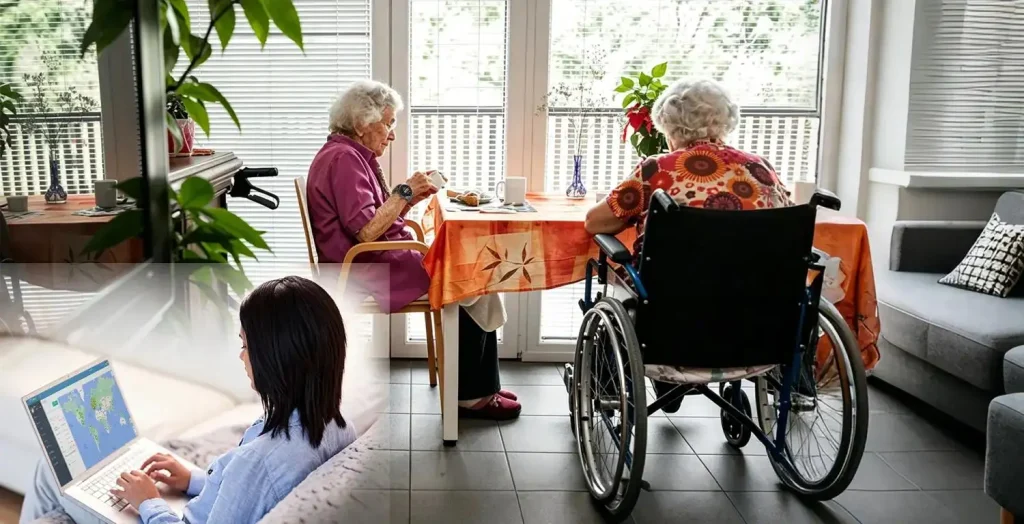
However, device features alone do not create a connected care system. A wearable may support GPS, fall detection, SOS, heart-rate monitoring, SpO₂, or 4G connectivity, but its value increases when it can communicate reliably with existing platforms.
This is why Elderly Care Wearable Interoperability is important for telecare providers, healthcare organizations, system integrators, and OEM/ODM buyers. Effective wearable device interoperability connects hardware, firmware, communication networks, APIs, cloud platforms, monitoring centers, and care-management software into one coordinated workflow.
Strong healthcare interoperability, telecare integration, wearable device integration, and API integration also help organizations build scalable elderly care technology ecosystems.
Why Elderly Care Wearable Interoperability Matters
A typical telecare deployment may include elderly smartwatches, GPS trackers, SOS pendants, home hubs, cloud servers, caregiver apps, monitoring-center software, and resident-management systems.
The key question is not whether each product works independently, but whether these systems can exchange information consistently.
A typical workflow may look like:
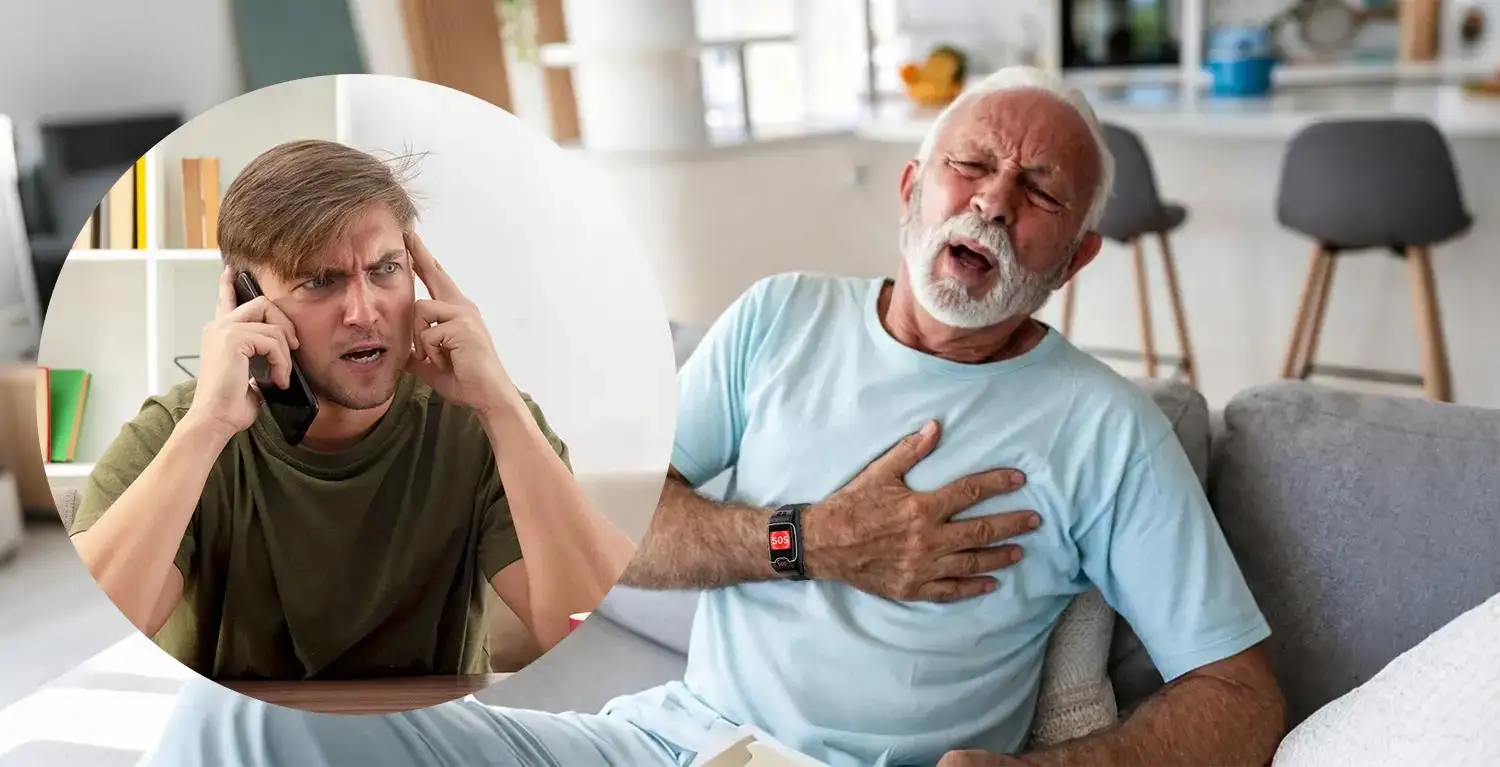
SOS Activation → Cellular Network → Cloud Platform → User Identification → Location Verification → Monitoring Center → Caregiver Response
Weak Elderly Care Wearable Interoperability can create duplicated platforms, manual data transfer, slower alarm handling, fragmented user records, and higher operating costs.
Strong wearable device interoperability allows different healthcare wearable devices to work within the same care process, making telecare deployment easier to manage and expand.
Key Layers of Wearable Device Integration
Elderly Care Wearable Interoperability should be evaluated across several technical layers:
| Integration Layer | Key Requirements | Typical Functions |
| Hardware | Cellular, Wi-Fi, BLE, GNSS | Connectivity and sensing |
| Firmware | Event logic, reporting rules | SOS, fall alerts, battery events |
| Communication | TCP/IP, HTTP, MQTT, proprietary protocols | Device-to-server exchange |
| API | Authentication, endpoints, webhooks | Platform and API integration |
| Cloud | Device management, data storage | Monitoring and configuration |
| Application | User and caregiver workflows | Alerts, dashboards, reports |
These layers must work together to make integration of wearable devices possible. Issues with firmware, communication, APIs, and the cloud can break the telecare process.
Connectivity Architecture
Wearable devices in the field of healthcare can use various communication channels like 4G LTE and Wi-Fi, as well as Bluetooth Low Energy, GPS/GNSS, cellular IoT and other protocols.
Wearable smart watches can be part of the telecare process by communicating with a server via a cellular network. Other assistive technology devices for elderly care can use a smartphone or a computer in the household as a gateway.
The correct architecture depends on network coverage, power consumption, device type, use environment, and telecare integration requirements.
Firmware and Event Standardization
Because firmware defines transmission formats and event definitions in the case of Elderly Care Wearables, it has a critical role in standardization.
Common events in telecare include:
• The presence or activation of a panic/SOS button
• Detection of a fall
• Passing through a geofence
• GPS location updates
• Notifications of a low battery
• Going online/offline
• Measurements of the heart rate and/or SpO₂
• Charging status
• Removal of the device from use
When wearable devices are interoperable, the names of events are standardized, as are timestamps, IDs of devices and users, status codes, and the format of data carried by the events.
In OEM and ODM projects, firmware may also require customization for reporting intervals, alarm priorities, geofence logic, sensor thresholds, device identifiers, or server communication.
Standardized firmware and event structures simplify wearable device integration and support wider healthcare interoperability.
API Integration for Telecare Platforms
For many B2B projects, APIs are the practical bridge between wearable hardware and customer software.
Effective API integration may provide access to:
• Device registration
• User-device binding
• GPS data
• SOS and fall events
• Health data
• Battery and device status
• Remote configuration
• Historical records
• OTA management
Buyers should not evaluate Elderly Care Wearable Interoperability based only on the statement "API supported."
API documentation should clearly define authentication, endpoints, request and response formats, webhooks, event codes, error handling, timestamps, configuration commands, and retry mechanisms.
Good API integration documentation can reduce development time and make it easier to connect new devices to existing platforms.
Healthcare Interoperability and Wearable Data
Healthcare interoperability allows wearable-generated information to move between healthcare and care-management systems.
A typical data flow may be:
Wearable Device → Cloud Platform → Telecare System → Caregiver Application → Healthcare or Care-Management System
This is especially important for healthcare wearable devices that generate emergency alerts, location data, activity information, health measurements, or device-status data.
A wearable should therefore be evaluated not only as hardware but also as a data source within a larger elderly care technology ecosystem.
Integrating Multiple Elderly Care Devices
A scalable care system may use several device types:
| Device | Typical Role |
| Elderly Smartwatch | GPS, SOS, voice, health monitoring |
| SOS Pendant | Emergency activation |
| SOS Button | Fixed or wearable emergency trigger |
| GPS Tracker | Positioning and geofencing |
| Home Hub | Residential connectivity and monitoring |
Strong Elderly Care Wearable Interoperability allows these devices to share a common backend or monitoring workflow.
Elderly users have different mobility levels, technical abilities, living environments, and care requirements. Effective telecare integration allows providers to support different device types without building a separate system for every product.
What Telecare Providers Should Check Before Purchasing
Before choosing a supplier, buyers should evaluate five key areas.
1. Available Data
Confirm what sensor, location, alarm, battery, and health data can be accessed. Also check reporting frequency, historical-data availability, and configurable reporting intervals.
2. Integration Interface
Familiarize yourself with API documentation. Learn how to implement webhooks and remotely control the devices. Learn how to integrate the devices and troubleshoot the integration. The API integration is as important as the hardware of the devices.
3. Device and User Association
Deployments of hundreds or thousands of devices require systems to facilitate the following relationships.
User → Caregiver → Organization
Reliable systems to represent the aforementioned relationships are required to effectively manage large scale deployments of healthcare wearables.
4. Remote Device Management
The system should allow the organization to perform remote device administration functions. Functions to monitor the status of the devices and replace the devices are examples of administrative functions. Functions to perform a diagnosis of the device, adjust the configuration of the device and update the firmware are functions to be administered by a user of the device. The system should be designed to facilitate the aforementioned functions in an automated and/or integrated manner.
5. Data and Server Architecture
Learn how data is moved between and stored on the servers, and who owns the servers. Learn how data is accessed and migrated. Learn the rules governing the APIs.
Consider the following when implementing healthcare interoperability in products and services that may include personal health information.
Interoperability of Wearable Devices for Elderly Care
In OEM and ODM projects, interoperability can be designed prior to volume production.
A given customer may stipulate:
• Proprietary communication protocols
• Unique emergency scenarios
• Dedicated cloud/data servers
• Variability in reporting schedules
• Alteration of firmware and device IDs
• Proprietary mobile applications
• Customized integration with API and elderly care technology
• and/or integration with care/support platform
Variability in firmware and communication design may result in incompatibility and significant cost and time challenges, particularly after volume production.
JiAi Intelligent Technology offers elderly safety and care products for OEM/ODM. Based on project requirements, elderly care and safety products may be customized in various ways including but not limited to: firmware and hardware, communication protocols, cloud and remote services, and API integration.
Test Interoperability Before Mass Deployment
A successful laboratory connection does not guarantee reliable field performance.
Before large-scale deployment, a pilot should test:
• Device registration and user binding
• GPS reporting
• SOS and fall alerts
• Health-data transmission
• API and webhook handling
• Low-battery warnings
• Network coverage
• Remote configuration
• OTA updates
• Monitoring-center workflows
Testing should also include realistic environments such as residential buildings, nursing facilities, outdoor locations, rural areas, and locations with weaker cellular coverage.
The objective is not simply to confirm that the wearable works. It is to verify that hardware, firmware, networks, cloud services, API integration, and care workflows work together reliably.
Building a Connected Elderly Care Ecosystem
Elderly Care Wearable Interoperability connects devices, firmware, communications, APIs, cloud infrastructure, applications, and care workflows into one scalable system.
For telecare providers, strong wearable device interoperability makes it easier to deploy different products without creating isolated management platforms.
For healthcare organizations, healthcare interoperability allows wearable data to become part of a broader digital care infrastructure.
For system integrators and OEM/ODM customers, flexible wearable device integration, telecare integration, and API integration help new products fit existing systems and long-term service models.
When evaluating a wearable supplier, the key question is not only:
"Does the wearable have the required features?"
It is also:
"Can this wearable integrate reliably into the care system we need to operate?"
That is the foundation of scalable Elderly Care Wearable Interoperability.
FAQs
Q1. What Is Elderly Care Wearable Interoperability?
Elderly Care Wearable Interoperability is the ability of elderly care wearables to exchange data and work with telecare platforms, cloud systems, monitoring centers, caregiver applications, and healthcare software.
Q2. Why Is Wearable Device Interoperability Important?
Wearable device interoperability allows SOS alerts, GPS data, battery information, and health measurements to move between devices and care platforms without requiring separate management systems.
Q3. Does JiAi Support Wearable Device Integration?
Yes. Depending on project requirements, JiAi can support wearable device integration through firmware customization, communication protocols, cloud connectivity, and APIs.
Q4. Does JiAi Provide API Integration?
Yes. For suitable OEM and ODM projects, API integration can support device data, alarms, GPS information, status data, configuration commands, and user-device relationships.
Q5. Can Firmware Be Customized for Elderly Care Projects?
Yes. Firmware can be customized for reporting intervals, SOS logic, geofencing, alert rules, device identification, server connections, and communication protocols.