Telecare Device Field Testing: An 8-Step Pilot Guide for B2B Buyers

2026-11-04
Telecare wearables can appear to work great during demonstrations, and then not function as intended when in the field. There are many factors, including user habits, building layouts, cell coverage, and the procedures of emergency response.
Telecare Device Field Testing helps telecare operators, PERS providers, and senior safety brands to validate their device performance before launching it in the market.
Conducting an efficient field pilot test goes beyond the evaluation of specifications of a telecare device. It tests connectivity, SOS communication, location, battery, and other usability factors and integration with other systems.
There are eight steps in this guide for an effective field pilot test.
1. Define Telecare Device Field Testing Objectives
Field testing goals for the Telecare Device may include:
•Assessing coverage and service of the local 4G network.
•Testing two-way communications of the SOS function.
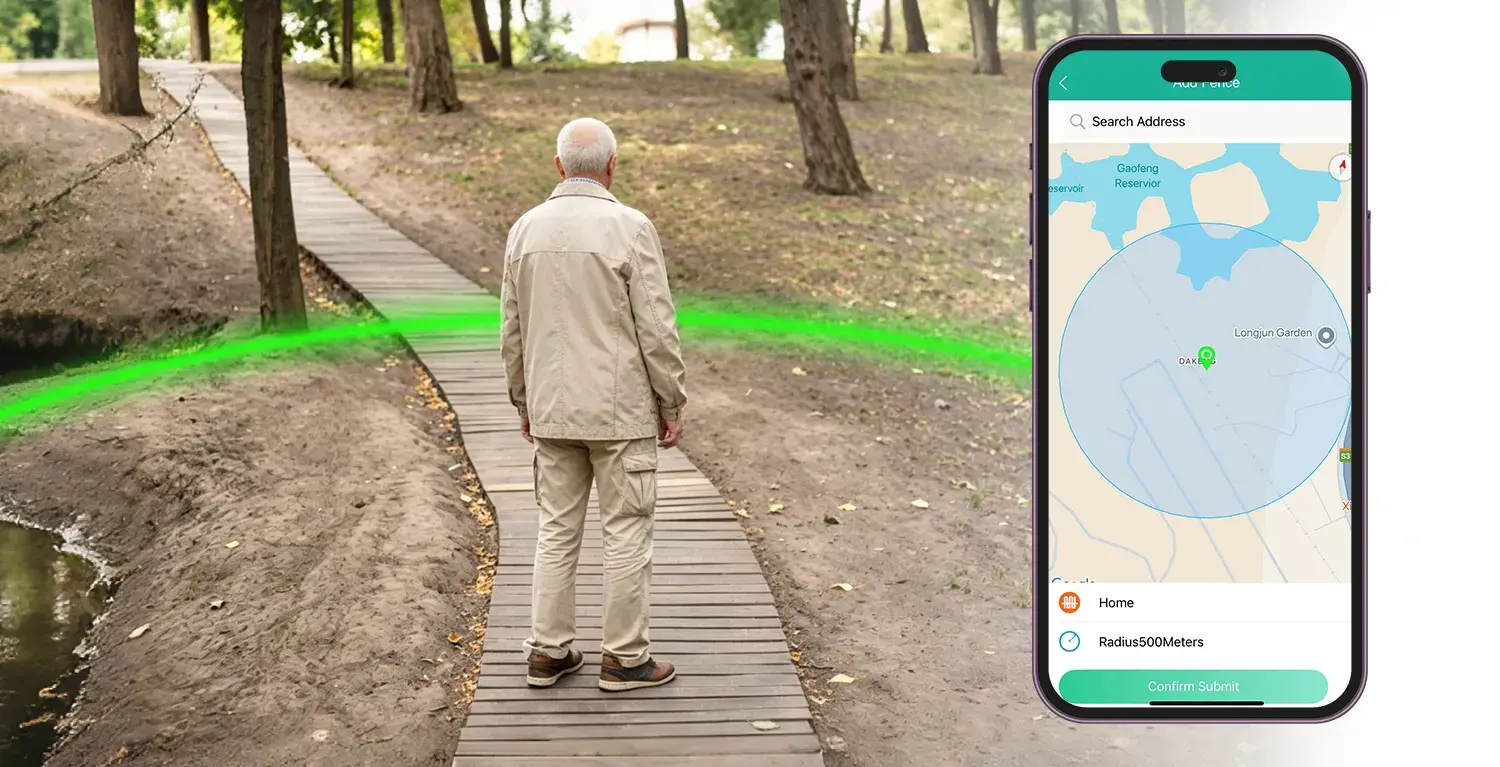
•Testing location reporting and geofencing.
•Assessing the device's operation and battery life in the field.
•Measuring comfort and charge convenience.
•Testing the device's ability to communicate to the server.
Prior to testing, the manufacturers and buyers should agree upon measurable success criteria.
2. Select Representative Pilot Users
An Elderly Smartwatch Pilot Program should include users who are typical of the target user group.
•Pilot Size: A good starting point is 20 to 50 users, depending upon the situation of the project.
•User Diversity: Included users with various levels of experience with, and attitude toward, technology, and varied activities and daily schedules.
•Test Location: Included various users' home locations, outdoors, urban and remote areas.
•User Preferences: Included the charging and wearing preferences of users.
A senior safety device trial should be conducted under actual use conditions instead of controlled test conditions.
Small user acceptance tests (UATs) will help identify early product failures, but will not provide statistically significant data.
3. Prepare Devices and Configuration Records
Telecare devices should be configured in a standard way for deployment testing to ensure reliability.
List the following for each device:
•Hardware model, revision and firmware version
•IMEI or other device identifier
•SIM card details (provider, operator, access point name)
•Server and platform URLs
•Pre-configured SOS contacts
•Features like GPS reporting interval
•Configure device for user account.
Distinguishing configuration errors from hardware and software problems will be achieved with a shared configuration register.
4. Test Connectivity and Complete SOS Workflows
Connectivity testing in the field will confirm that the Telecare Devices are working per requirements.
For international deployments, local SIMs and operators must be used.
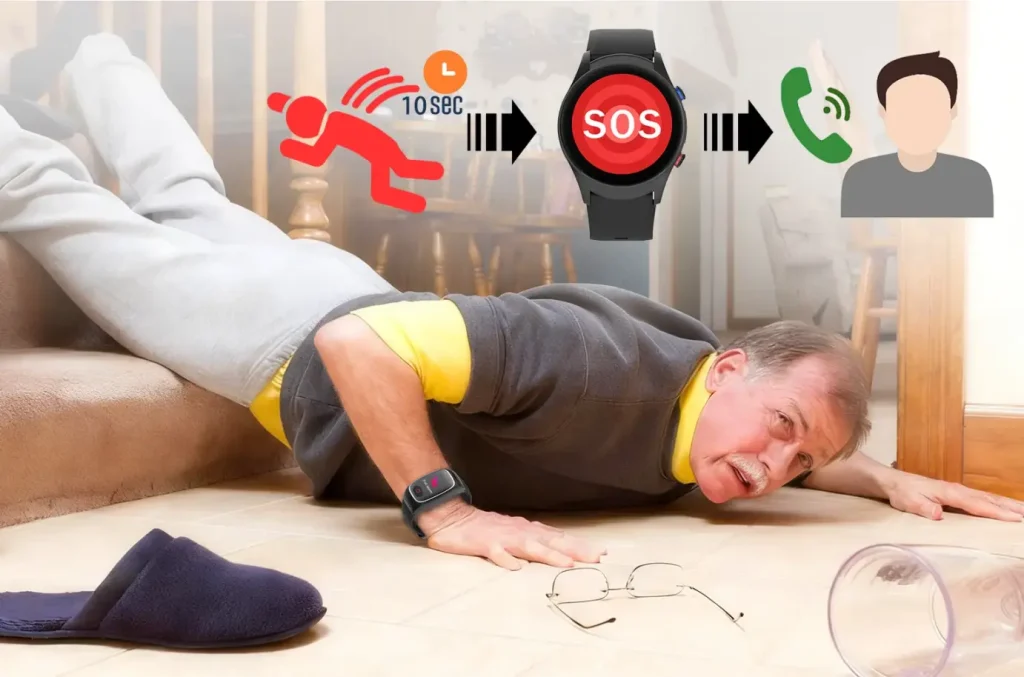
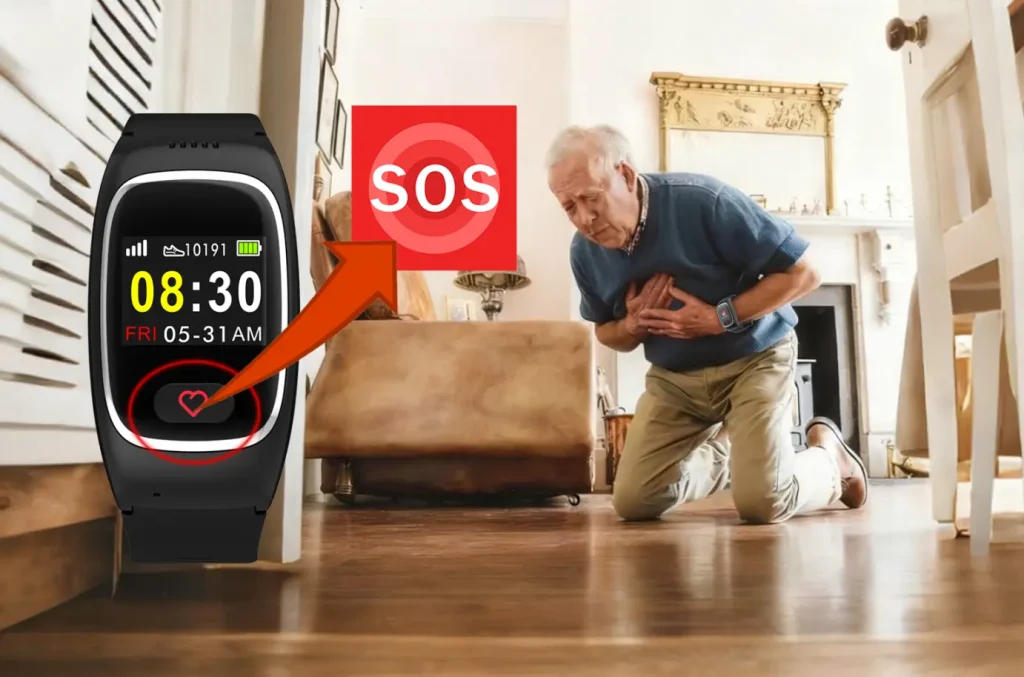
The end-to-end SOS workflow should be tested to ensure the whole process is functioning correctly:
User initiates SOS → Device sends alert to the platform → Platform Operator responds to the alerted event → Event is logged
Other test cases should include:
•SOS function is triggered repeatedly
•User data is incorrect/incomplete/missing
•Late alert notifications
•Temporarily losing connection to the cellular network
The emergency response operator should be on site for the entire duration of the pilot.
5. Evaluate GPS, Battery Life, and Usability
Perform behavioral testing to evaluate under what conditions the device is able to operate as intended, i.e. evaluating usability.
Location Performance
•Evaluate the limits of the GPS function and see how it operates under different outdoor conditions, and how it performs indoors.
•Assess the location functions assisted by Wi-Fi and/or BLE, if provided.
•Log and time events such as positioning notification and geofencing events.
Battery and Charging
•Assess battery life using actual GPS and communication settings.
•Evaluate battery drain during voice calls and from operation in high-los environments.
•Assess independent charging and charging status recognition.
User feedback is often valuable when assessing wearables for the elderly or care facility staff managed devices.
6. Set Measurable Telecare Pilot Evaluation KPIs
Structuring a telecare pilot evaluation provides an opportunity to capture what has been observed in the field and convert them to measurable forms.
| Testing Area | Key KPI | Evaluation Method |
| SOS Reliability | Event delivery | Received alerts vs. test activations |
| Voice Communication | Call completion | Completed vs. attempted calls |
| GPS Performance | Location update delay | Acquisition-to-platform time |
| Cellular Connectivity | Network recovery | Reconnection time after signal loss |
| Battery Performance | Operating runtime | Hours under configured usage |
| Charging Usability | Charging success | Successful independent attempts |
| Device Availability | Operational uptime | Availability under defined conditions |
| Technical Support | Incident frequency | Reported problems by category |
Acceptance thresholds must reflect the service requirements agreed upon by the client rather than typical industry-wide percentages.
7. Document Issues and Firmware Improvements
It is necessary to track issues thoroughly to successfully conduct a Telecare Device Field Testing program.
For each issue, capture:
•The ID number and firmware version of the device
•The cellular operator and location of the test
• The time and conditions of the test
•What the device was supposed to do vs. what it actually did
•Device logs and/or platform records related to the issue
Keep a record of which devices received a firmware update.
Compare and contrast the results of firmware releases to each other.
8. Assess PERS Deployment Readiness
More is required to demonstrate PERS deployment readiness than to successfully pass individual technology readiness assessments.
Before releasing for production:
• Review and confirm that critical functions have met acceptance criteria.
• Determine if the intended users are able to use the device, charge the device, and/or troubleshoot the device.
• Review and confirm device integration with required platforms.
• Confirm resolution of critical defects.
• Confirm that configuration management controls have been maintained.
Depending on the results, the buyers may approve production, request changes, extend the pilot, or change the hardware selected.
Supporting Telecare Pilots with JiAi
JiAi creates and makes 4G smartwatches, SOS wristbands, GPS trackers, and other connected telecare wearables for the B2B market.
Our OEM/ODM service covers everything from hardware and firmware to the communication protocols, apps, and customer platform integration.
For telecare device field testing, JiAi and the customer discuss sample configurations, the behavior of the firmware, the integration of the customer's server, and provide other technical feedback.
The features, level of customization, and type of support differ depending on the model of the device and the extent of the project.
Conclusion
For telecare, field testing helps move a product from the evaluation stage to the commercial deployment stage.
Telecare providers and OEM/ODM buyers can lower the deployment uncertainty level by using representative end users, real world network conditions, and measured KPIs with documented acceptance criteria.
A structured telecare pilot helps the buyer make an informed purchase for large scale deployment.
FAQs
Q1. What telecare devices does JiAi offer for field testing?
JiAi manufactures 4G elderly smartwatches, screenless SOS wristbands, GPS trackers, and connected telecare wearables. B2B buyers can discuss suitable models and sample configurations for Telecare Device Field Testing.
Q2. Does JiAi support telecare device pilot testing?
Yes. JiAi works with B2B customers to discuss pilot device configurations, firmware requirements, cellular connectivity, server integration, and technical feedback. Specific support arrangements depend on the project scope.
Q3. How many JiAi devices should be included in a pilot test?
An initial telecare device pilot testing project may involve approximately 20–50 devices. The appropriate quantity depends on the target users, testing environments, technical requirements, and project objectives.
Q4. Can JiAi devices be tested with local SIM cards?
JiAi customers can evaluate device compatibility with intended local SIM providers and cellular operators. Network bands, APN settings, voice services, and data connectivity should be verified for the selected model before deployment.
Q5. What SOS functions should be tested on JiAi devices?
A PERS device field trial should verify SOS activation, alert delivery, two-way calling where supported, user identification, and monitoring-platform response. Exact functions depend on device configuration and service requirements.