Senior Wearable Product Development Process: From Concept to Production

2026-11-04
Successful design of senior wearables starts with the user and ends with the chipset. Telecare brands, PERS providers and OEM/ODM buyers want a product that easily integrates with their service platform and can be produced in volume.
This paper describes the senior wearable product development process in nine steps, starting with requirement definition and ending with post-launch support.
Phase 1: Plan and Assess Feasibility
1. Identify Users and Product Requirements
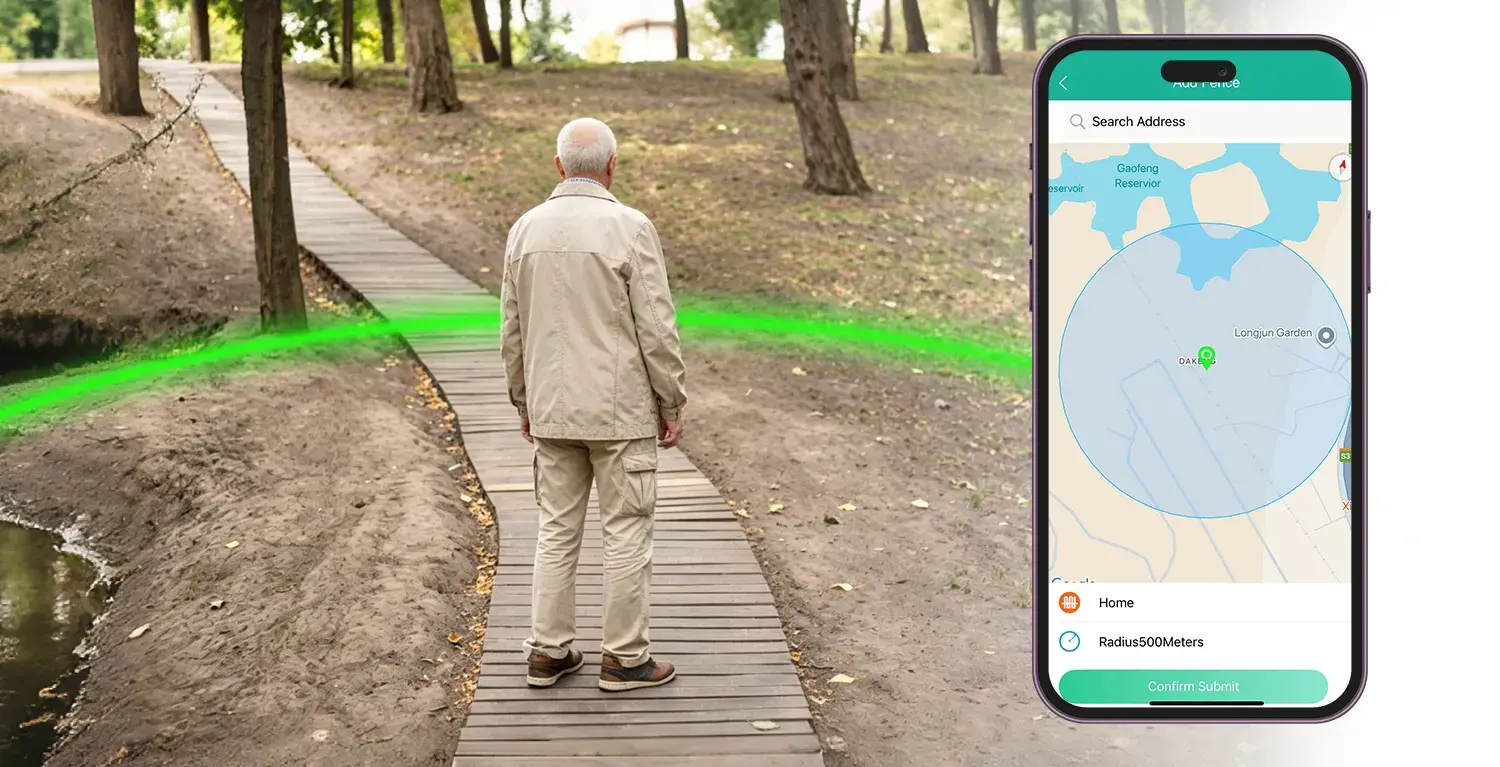
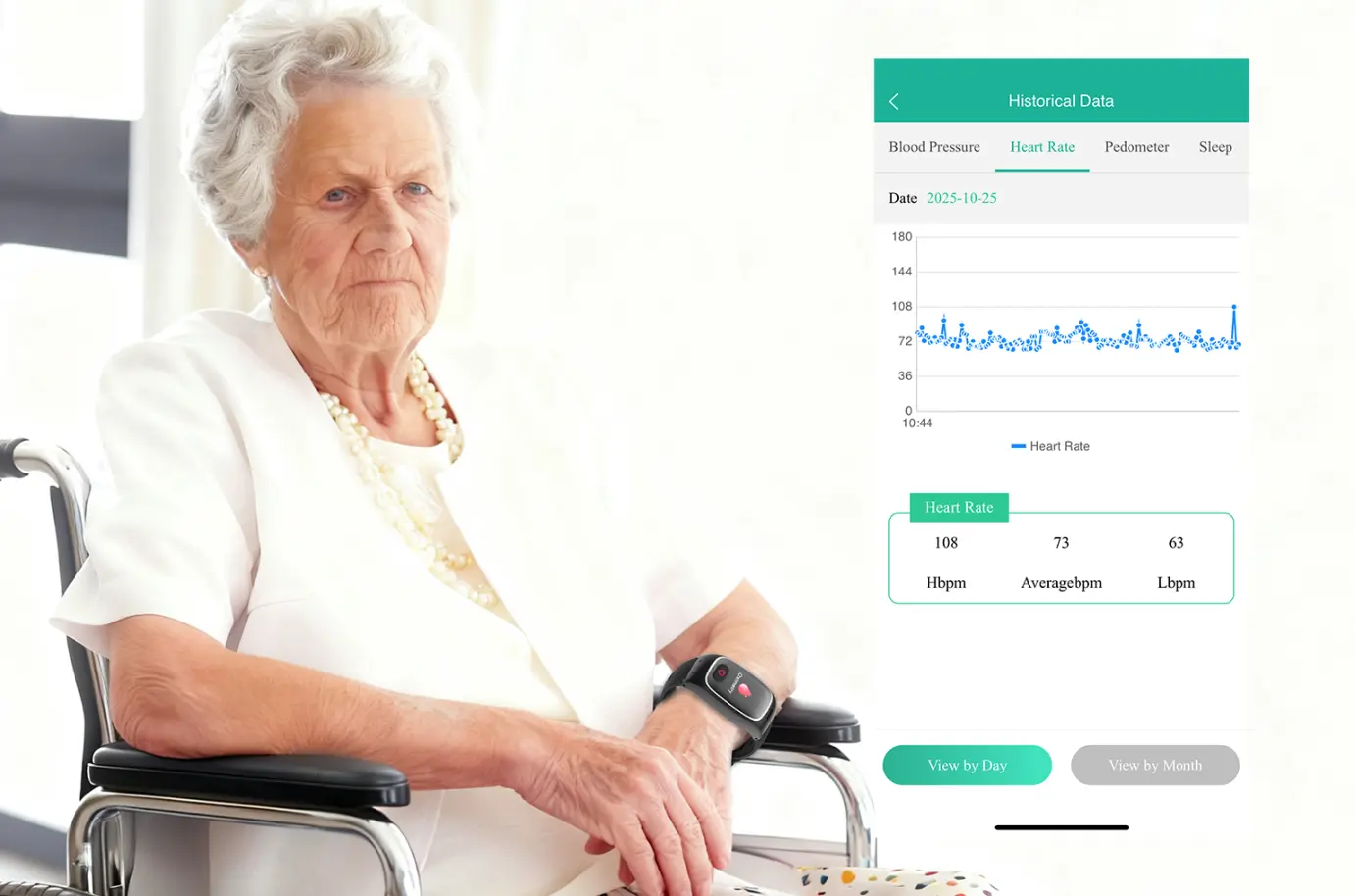
The type of user (patient, resident, etc.), care setting (home, clinic, etc.) and the workflow (caregiver, fall prevention, etc.) helps identify the appropriate product (e.g. smartwatch, a wristband, a pendant) that fulfills the safety function (SOS, two-way calling, location reporting, etc.).
• Safety functions may include SOS activation, two-way calling and location reporting and/or alerting.
• Button placement, charging, comfort and battery life must be considered.
• Define the target markets, coverage, and integration for the cellular platform and forecast the volume.
Stage gate: Approved product requirements specification (PRS) and measurable acceptance criteria.
2. Evaluate Technical and Commercial Feasibility
Evaluate the potential for a 4G platform to be customized and/or if a new design is required. This should include: LTE bands and operator support, GNSS performance, antenna and sensor size, and power consumption; along with market specific certifications.
Stage gate: Feasibility report, proposed architecture, risk register, preliminary budget and schedule.
3. Approve OEM/ODM Scope and Ownership
For OEM/ODM wearable device development, determine who designs the hardware, firmware, enclosures, mobile and cloud applications, performs testing and manufacture tooling. Define intellectual property (IP), limit revisions, change requests, samples, and after sales service.
A signed scope of work and project milestones should be agreed to.
The focus of this stage is on design and integration and the validation of the design.
Phase 2: Engineer, Integrate, and Validate
4. Design Electronics and Mechanics
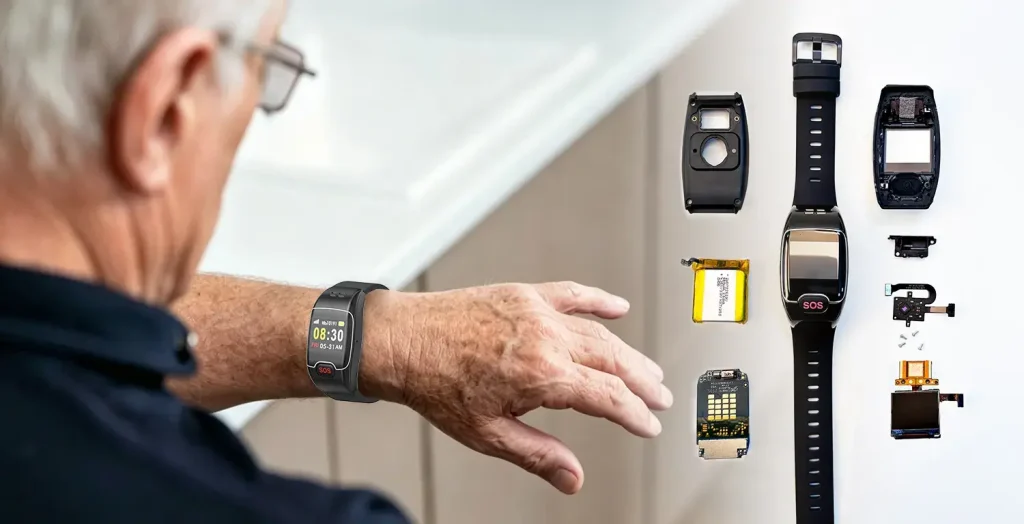
The design of a wearable device integrates many different design elements. An efficient design of the wearable device includes the antenna, electronics, mechanics, and the user interface.
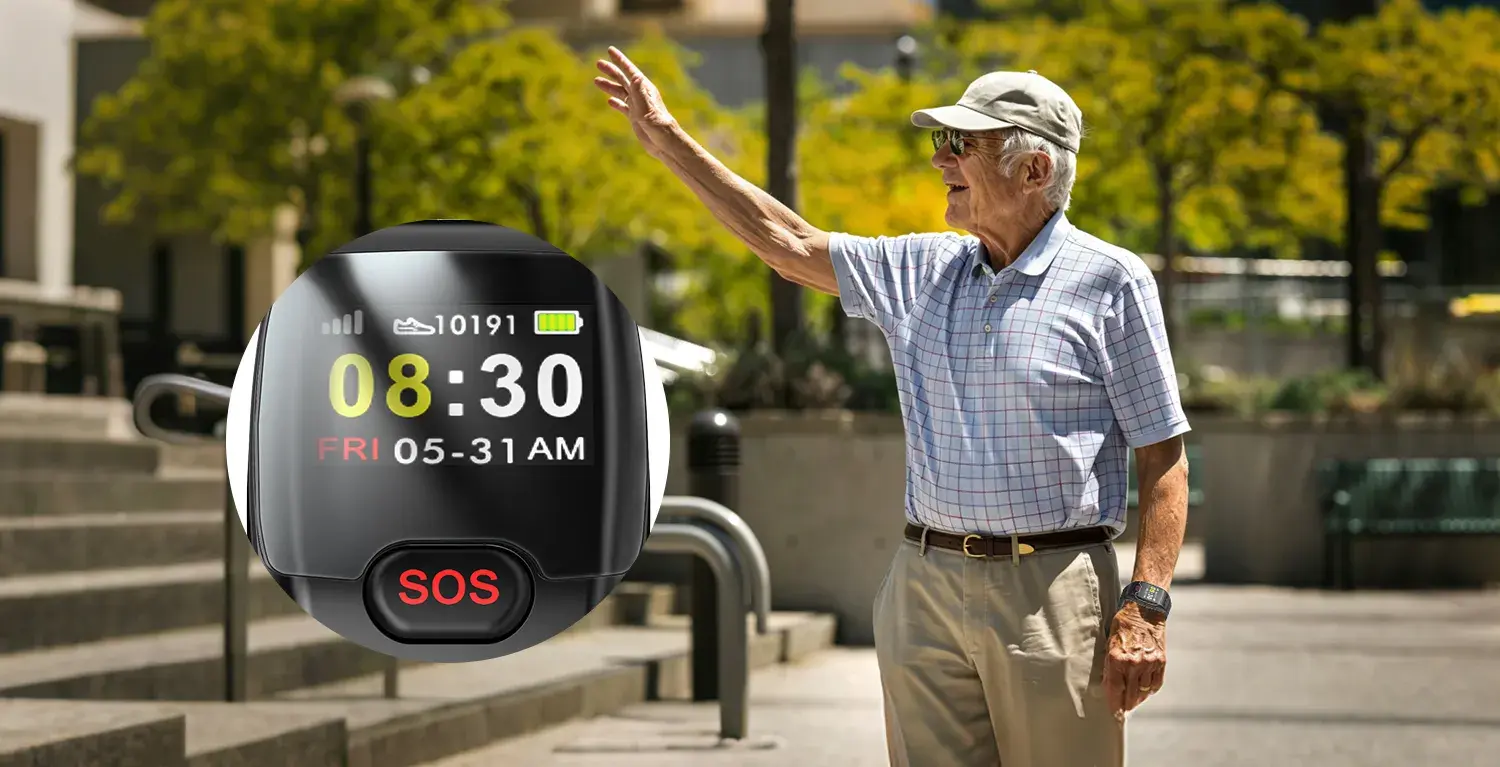
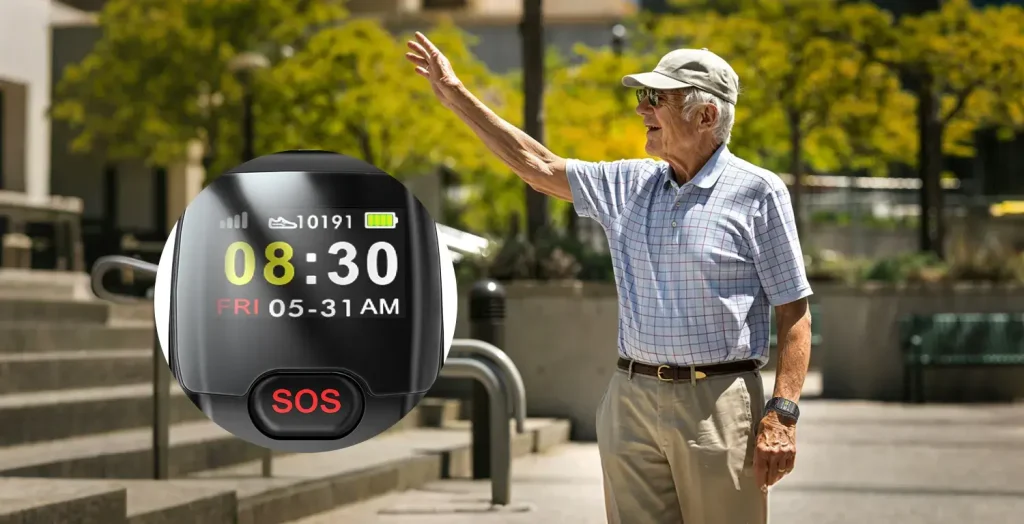
When following smartwatch development, determine the size of each button, readability, and comfort in wearing the device. Evaluate the charging accessibility of the device for the elderly.
There should be design files, enclosure drawings, and a preliminary bill of materials (BOM).
5. Build Firmware and Platform Integration
During the integration of a telecare device and platform, there should be an agreement on:
• The format of messages exchanged between the device and the platform.
• Retry logic, acknowledge, and other quality of service guarantees.
• The supported APIs and protocols.
There must be integration specifications and firmware with initial connectivity tests.
6. Test Engineering Prototypes
Find design issues by testing prototypes, not by validating they are production ready. Test the cellular modem, audio, battery, fit, charging and the SOS function. Report any issues and failures. Designate owners for the above. Retest for each engineering change.
Stage gate: Prototype test report, issue log, design review approval.
7. Safety, Usability, and Compliance
The senior wearable product development process includes both verification and validation. In the wearable industry, this means verifying the wearable meets the requirements specified by the user (validation).
| Validation | What to Check | Why It Matters |
| SOS and Voice Activation | Call flow, audio clarity | Reliable emergency response |
| Connectivity | Coverage, platform events, location | Dependable service integration |
| Daily Use | Battery life, comfort, charging | Practical senior adoption |
| Durability and Compliance | IP rating, claimed compliance, required approvals, mechanical tests | Product and market readiness |
Check the following critical dimensions and approve the corresponding production tooling:
Stage gate: Resulting tooling was approved and critical issues resolved.
Phase 3: Manufacture and Support
8. Pilot Production
• Establish inspection checkpoints and EOL tests.
• Verify identification and traceability, packaging and defect limits.
• Compare approved pilot samples, hardware and firmware.
Stage Gate: Pilot findings, updated work instructions, sign-off production.
9. Scale Production and Plan Lifecycle Support
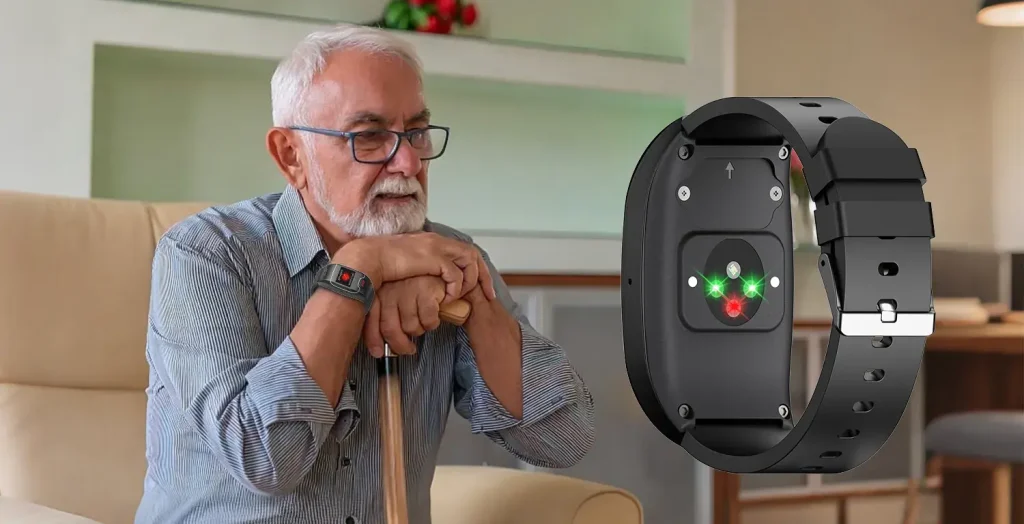
Only transition to mass production once the acceptance criteria for the pilot has been met. Monitor component supply and batch quality, analyze assembly yield, and engineering changes. Plan for updates to firmware, field-related issues and component replacement.
Stage Gate: Production release and agreed plan for post-launch support.
How JiAi Supports Senior Wearable OEM/ODM Projects
JiAi designs and manufactures 4G elderly smartwatches and SOS wearable devices and trackers. The company can also modify existing designs and assess broader hardware, firmware and mechanical integrations.
For the development of senior wearable products, it is advisable for buyers to confirm prototype and validation responsibilities, delivery milestones, and production support in the project agreement.
Conclusion
A clear senior wearable product development process connects user needs with engineering decisions, test evidence, and repeatable production. Defined stage gates help telecare providers and OEM/ODM buyers reduce rework and move from concept to scalable manufacturing with greater confidence.
FAQs
Q1. What is JiAi's senior wearable product development process?
JiAi's senior wearable product development process covers requirements analysis, feasibility evaluation, hardware design, firmware development, prototyping, validation, pilot production, and mass manufacturing.
Q2. What types of senior wearable devices does JiAi develop?
JiAi develops 4G elderly smartwatches, screenless SOS wristbands, GPS trackers, and connected telecare wearables for B2B customers, including telecare providers and PERS operators.
Q3. Does JiAi provide OEM and ODM wearable development services?
Yes. JiAi supports OEM ODM wearable development, including customization of existing devices and evaluation of new hardware, firmware, and enclosure designs.
Q4. Can JiAi customize SOS and safety features?
Yes. Depending on technical feasibility, JiAi can customize SOS workflows, two-way calling, location reporting, battery alerts, and device configurations for elderly safety wearable development.
Q5. Can JiAi integrate wearables with our telecare platform?Yes. JiAi supports platform-integration development, including communication protocols, event messaging, device identification, and API-related requirements, subject to technical compatibility.