
GPS Trackers for Dementia Patients: How Caregivers Prevent Wandering

2026-03-24
GPS Tracker Dementia Patients products are no longer a niche option. They have become a practical safety tool for families, care agencies, and senior-care brands dealing with wandering risk. The Alzheimer's Association says 6 in 10 people with dementia will wander at least once, which keeps demand strong for Elderly GPS Tracker, Tracking Device For Dementia, and Senior Safety GPS products. At JiAi Intelligent Technology, we see buyers looking for more than basic tracking. They want reliable positioning, easy alerts, stable battery life, and a caregiver-friendly platform that works in real daily care.
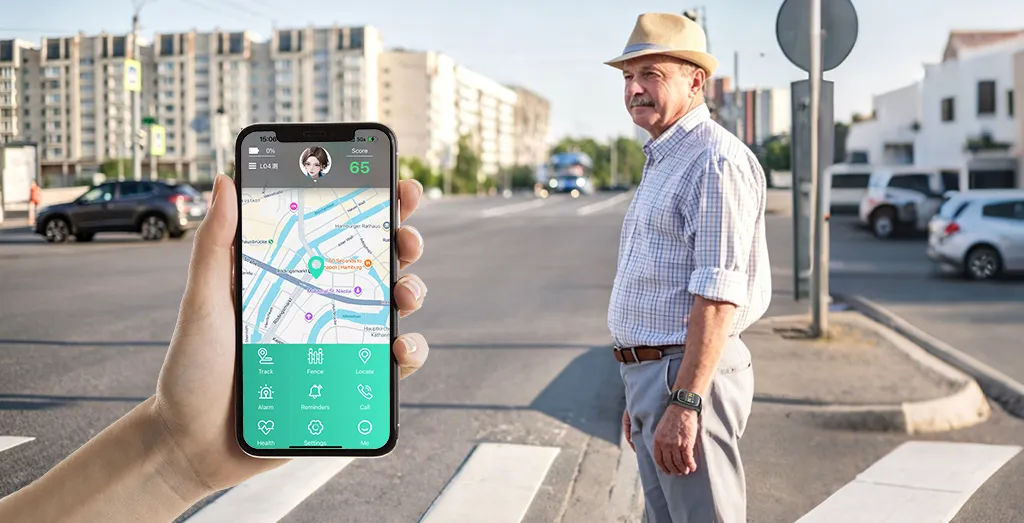
Why GPS Tracking Matters in Dementia Care
A person with dementia may leave home, forget familiar routes, or become confused in places they once knew well. That is why major dementia organizations keep emphasizing safety planning, ID tools, and location support as part of good caregiving. The Alzheimer's Society in the UK also notes that assistive technology, including GPS locator devices, can help carers feel reassured about a person's safety.
For buyers, the point is simple: a tracker does not replace care, but it can improve visibility and shorten reaction time.
A well-designed GPS Tracker Dementia Patients product usually supports three goals:
• Help caregivers check location quickly
• Warn when the user leaves a defined area
• Create a faster path to help in an emergency
That combination is why this product category keeps expanding across home care, community care, telecare programs, and private-label senior electronics.
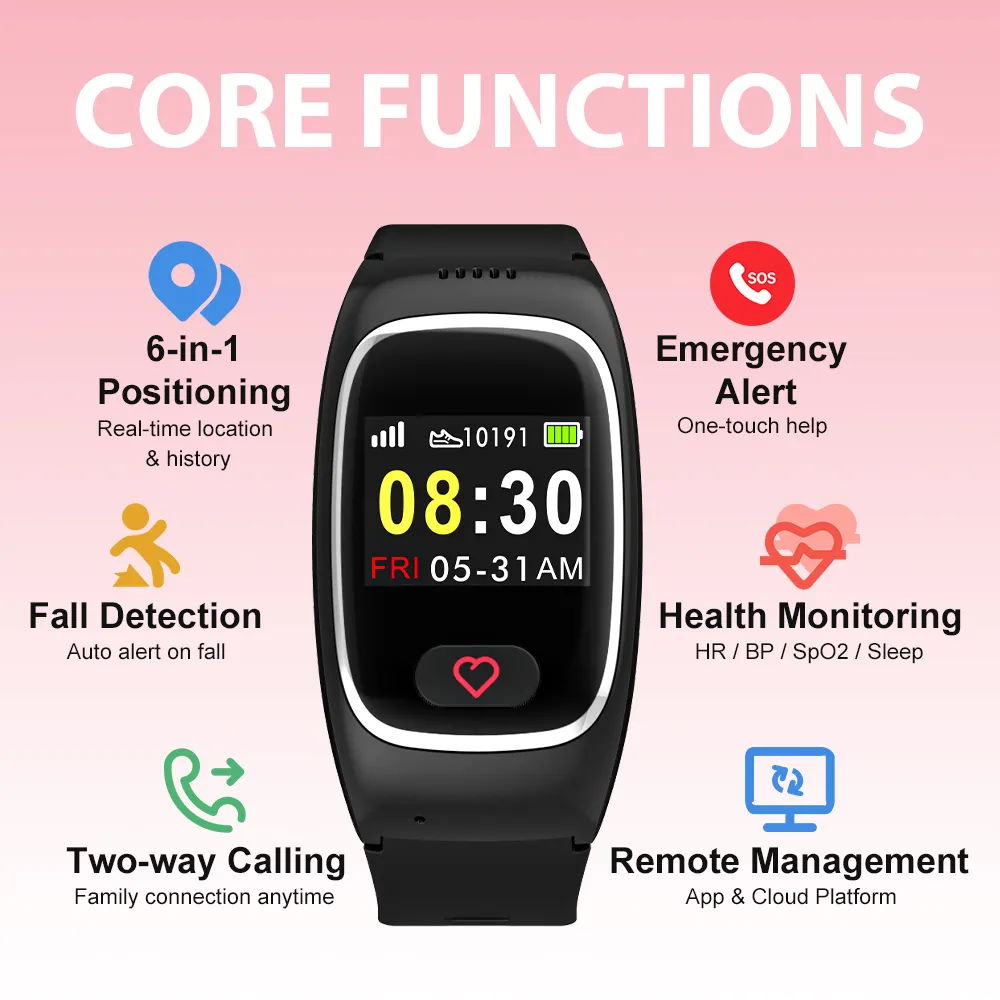
Key Features Buyers Usually Care About Most
Not every tracker fits dementia care well. In this category, useful features are not just technical checkboxes. They directly affect whether the product is practical in daily life.
- Real-Time Tracking
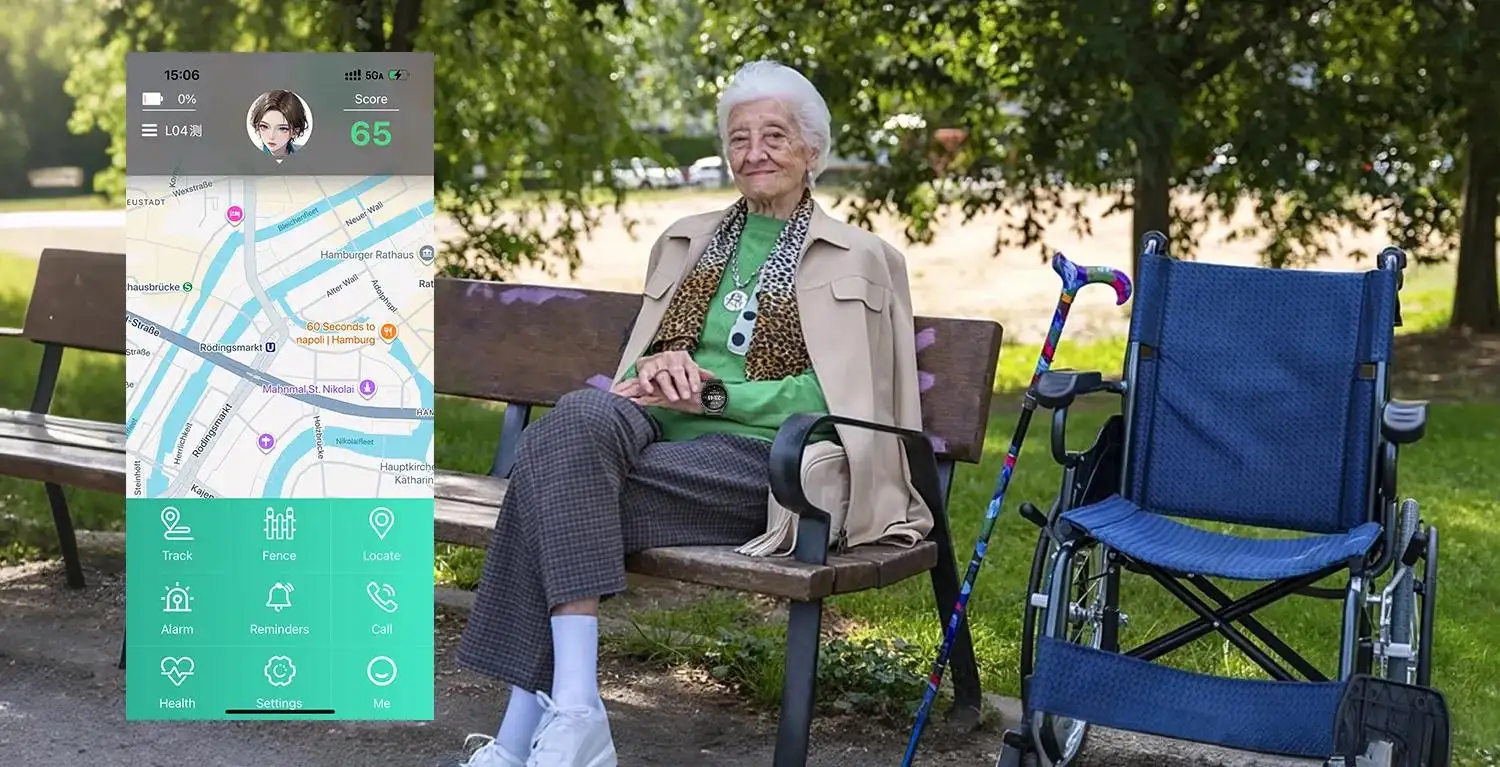
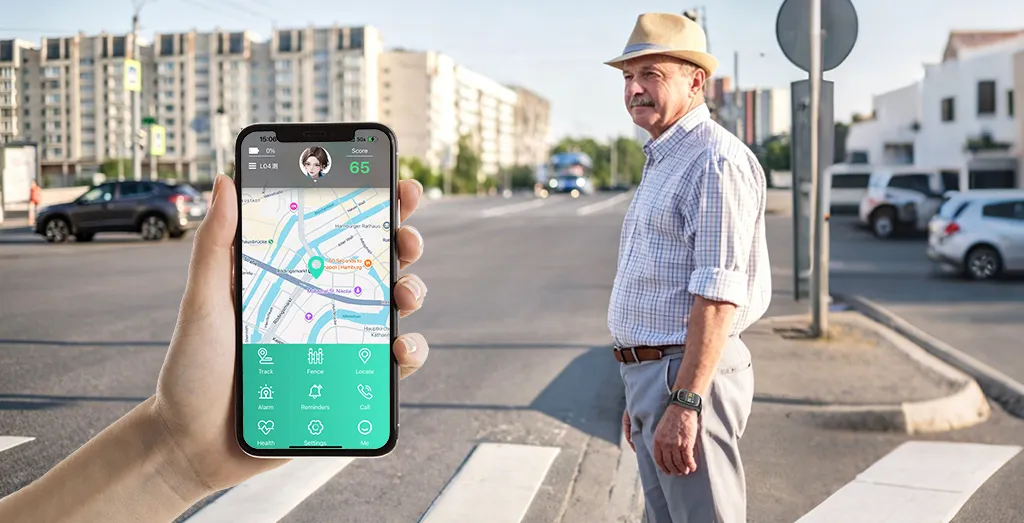
This is the core function. Caregivers want to open a mobile app and see where the user is without delay. In real use, this means the platform should load quickly, location updates should feel stable, and map display should be easy to read.
For a Tracking Device For Dementia, accuracy matters, but usability matters just as much. An advanced platform is only useful when family members and care staff can operate it easily during stressful situations.
- Geo-Fencing
Geo-fencing enables caregivers to set a safe area, such as a home, care facility, or surrounding neighborhood. If the wearer moves beyond that zone, the app sends an instant alert.
This feature is especially effective in dementia care because it supports prevention first. Instead of only helping after a person is already lost, it gives caregivers a chance to respond earlier. That preventive value also aligns well with the National Institute on Aging's approach to wandering risk.
- SOS Alerts
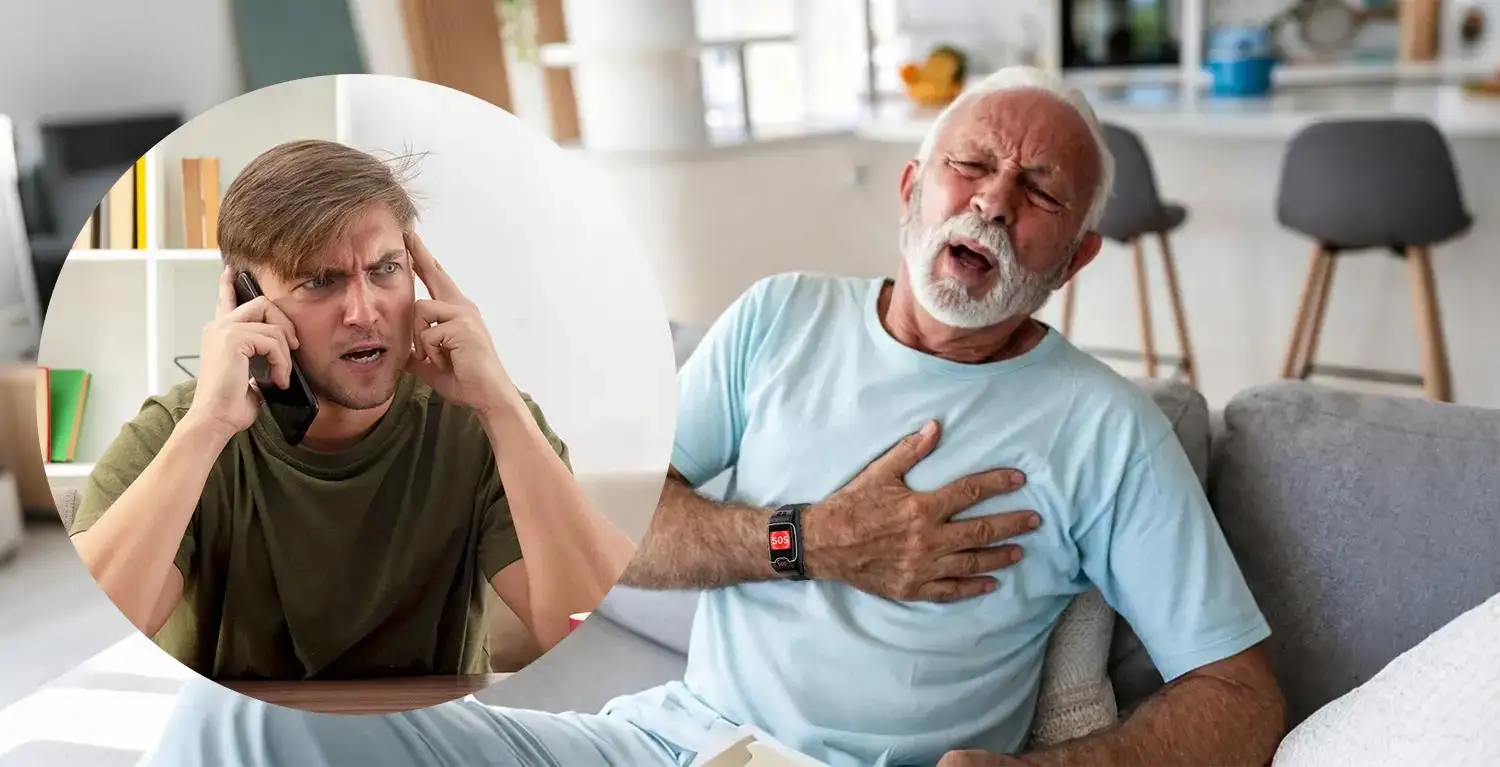
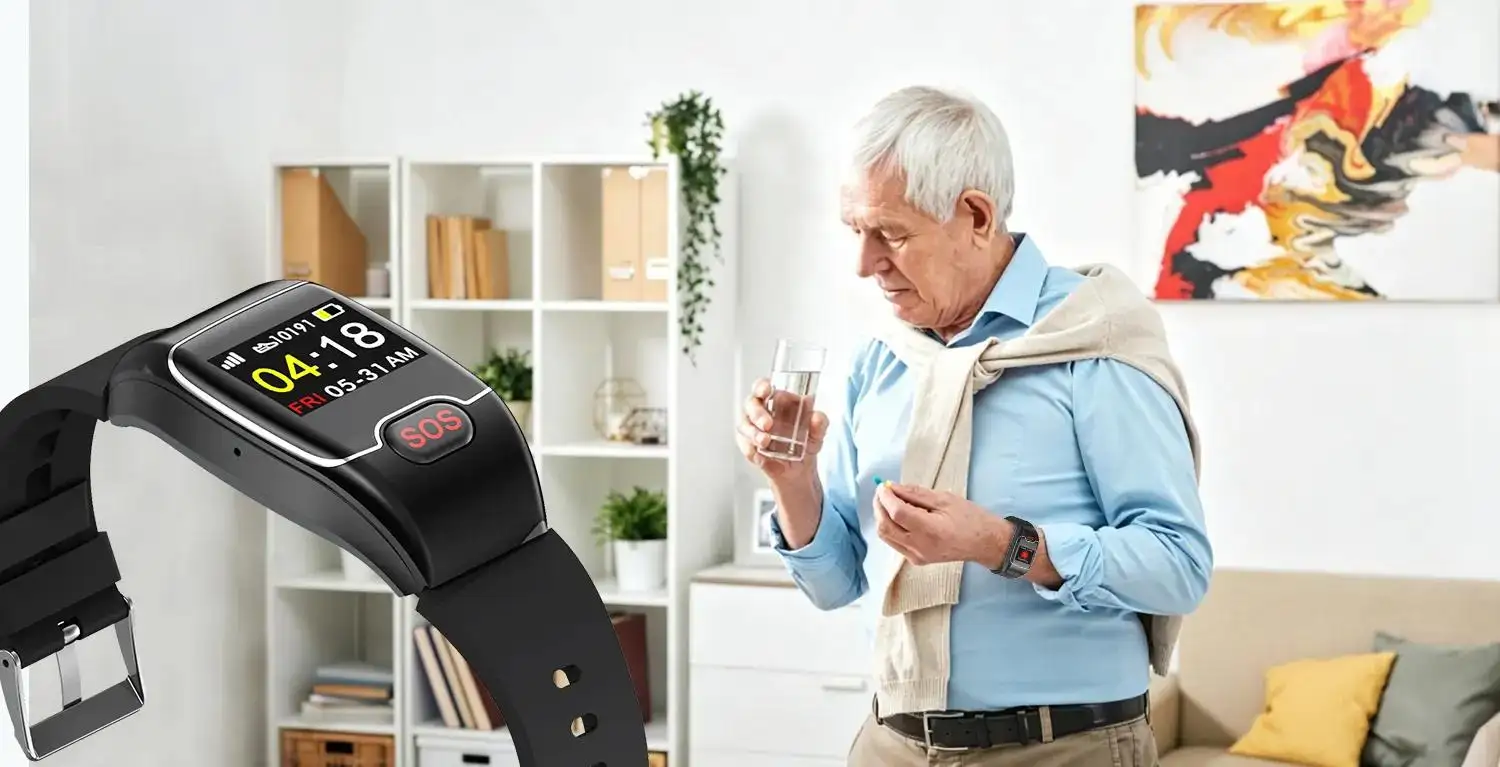
An emergency button offers the wearer a straightforward way to call for help. Not every user will remember to use it, but it can still be useful for early-stage dementia users or during supervised time outdoors.
For buyers evaluating devices, SOS design should be examined closely:
• Is the button easy to find?
• Is accidental triggering controlled?
• Does the alert reach app users fast?
• Can it connect to platform workflows or call logic?
Common Device Types in This Category
Different care settings need different hardware formats. That is why the market usually centers on three main device types.
- Smartwatches
Smartwatch-style products are popular because they look familiar and are easier to position as everyday wear. They also make it easier to combine GPS, calling, health reminders, and SOS functions in one device.
For many brands, an Elderly GPS Tracker watch is easier to sell than a purely medical-looking product because it feels less stigmatizing and more acceptable for daily use.
- Pendants
Pendants are useful when simplicity matters more than screen interaction. They are well suited to users who prefer a device without menu handling or touch-based operation.
This format is often chosen for high-risk groups, community support projects, or care programs designed around a minimal user interface.
- Portable Trackers
Portable trackers are small self-contained devices that can be placed in a pocket, carried in a bag, or fixed to another accessory. They are flexible in daily use, but they rely more on consistent carrying patterns. In dementia care, that can be a limitation, so buyers need to think carefully about user habits before choosing this form.
Benefits for Caregivers and Care Providers
The biggest value of Senior Safety GPS devices is not the map itself. It is what the device changes for the people doing the caregiving.
First, it improves peace of mind. Dementia organizations consistently highlight how stressful wandering risk can be for families. A reliable location tool can reduce some of that pressure.
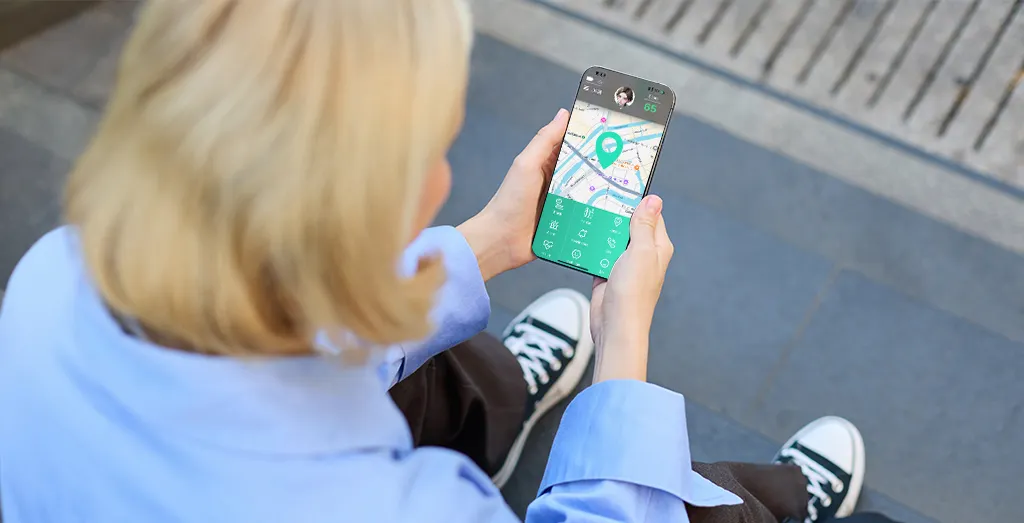
Second, it supports faster response time. When location can be checked immediately, caregivers do not have to begin with guesswork.
Third, it helps reduce risk exposure. The Alzheimer's Association describes wandering as potentially dangerous and even life-threatening, which is why earlier detection matters so much.
For commercial buyers, these benefits also make the product easier to position in real sales language. You are not only selling hardware. You are selling safer routines, clearer visibility, and better caregiving support.
OEM Customization for Senior Care Brands
This is where manufacturers like JiAi Intelligent Technology can create more value for brand owners and distributors.
In the OEM and ODM market, buyers often want more than a standard shell. They usually care about whether the device can be adapted for a target market, care model, or software ecosystem.
Common customization priorities include:
• Tracking accuracy for urban, suburban, or mixed indoor-outdoor use
• Battery performance for longer standby time and lower charging pressure
• Platform integration for caregiver apps, telecare dashboards, or service systems
For some buyers, app language, alert logic, branding, packaging, and data display are just as important as hardware appearance. That is especially true for private-label senior care brands entering Europe, North America, and assisted-living channels.
Conclusion
GPS tracking has become an important part of dementia safety planning because wandering is common, serious, and often unpredictable. Authoritative care organizations continue to recommend practical safety preparation, and location technology is now part of that wider conversation.
For buyers, the best GPS Tracker Dementia Patients product is not simply the one with the longest spec sheet. It is the one that fits real caregiving behavior, offers stable alerts, and gives users a format they are willing to wear.
From Elderly GPS Tracker watches to pendant-style Tracking Device For Dementia products, the market is moving toward simpler operation, better platform support, and stronger OEM flexibility. For brands that want to build in this space, JiAi Intelligent Technology can help turn a standard tracker into a more market-ready Senior Safety GPS solution.