
How to Evaluate an Elderly Smartwatch Manufacturer (2026 Buyer's Checklist)

2026-03-23
Elderly Smartwatch Manufacturer selection is no longer a simple sourcing task. For importers, distributors, healthcare brands, and telecare operators, the right factory can shape product stability, compliance, software experience, and after-sales costs for years. That matters even more as the global senior population keeps growing. The World Health Organization says the number of people aged 60 and older is projected to rise from 1.1 billion in 2023 to 1.4 billion by 2030.
If you are comparing an Elderly Smartwatch Manufacturer, a Smartwatch OEM Manufacturer, a Telecare Device Supplier, or options for Wearable Manufacturer Evaluation, the key question is not only who can make the device. The real question is who can support a reliable product system from hardware to cloud.
Why Manufacturer Evaluation Matters So Much
Many buyers start with price. That is normal. But in this category, price alone does not tell you much about long-term value.
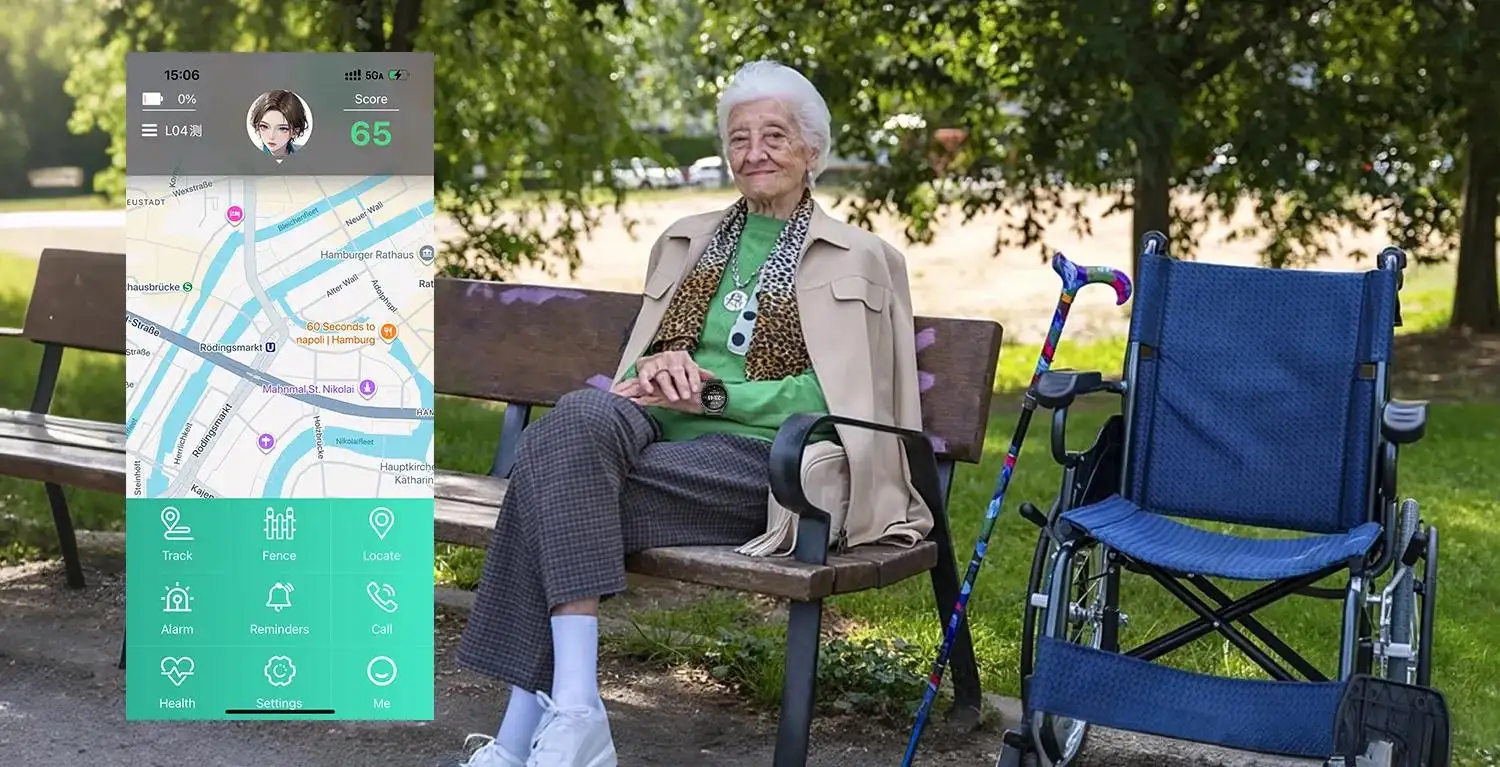
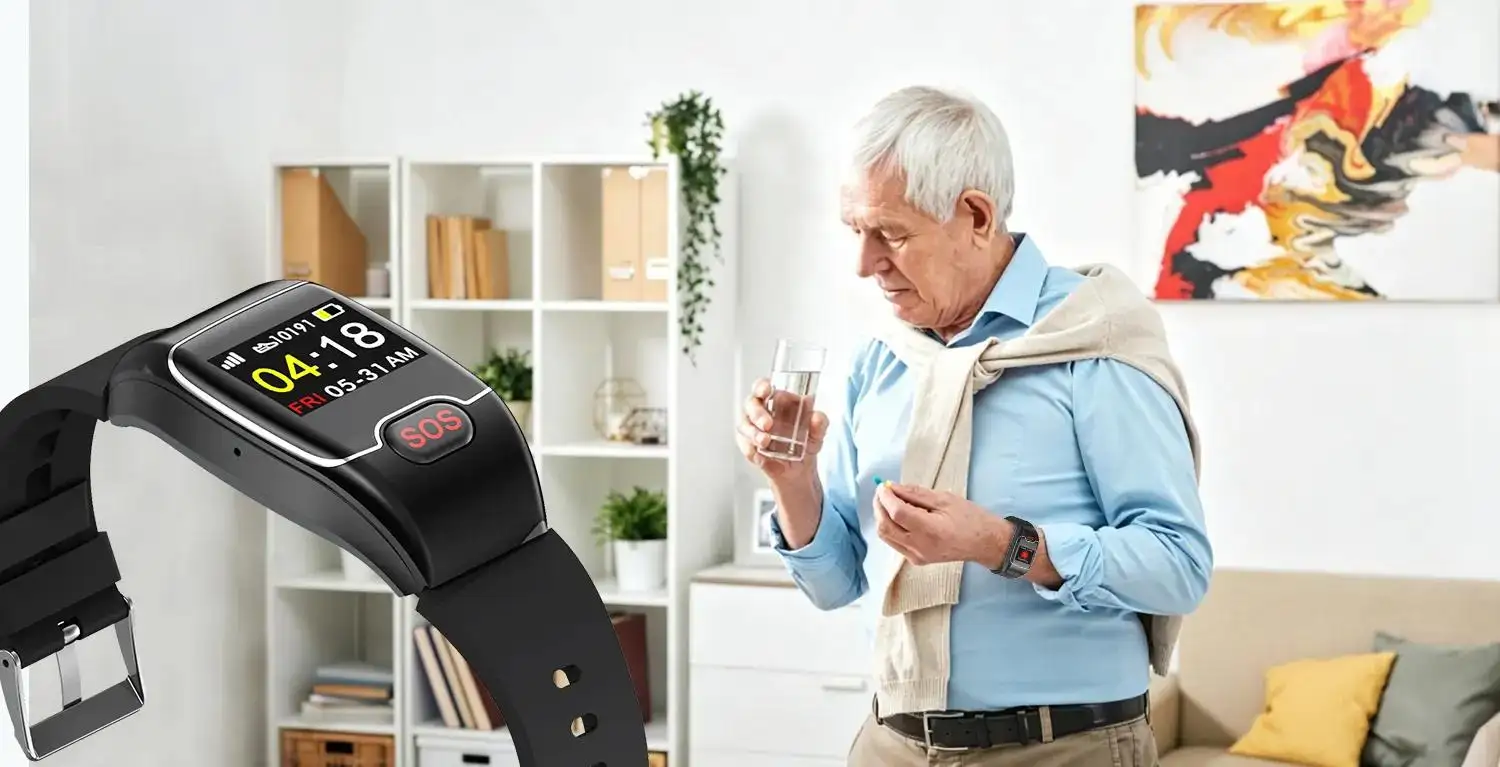
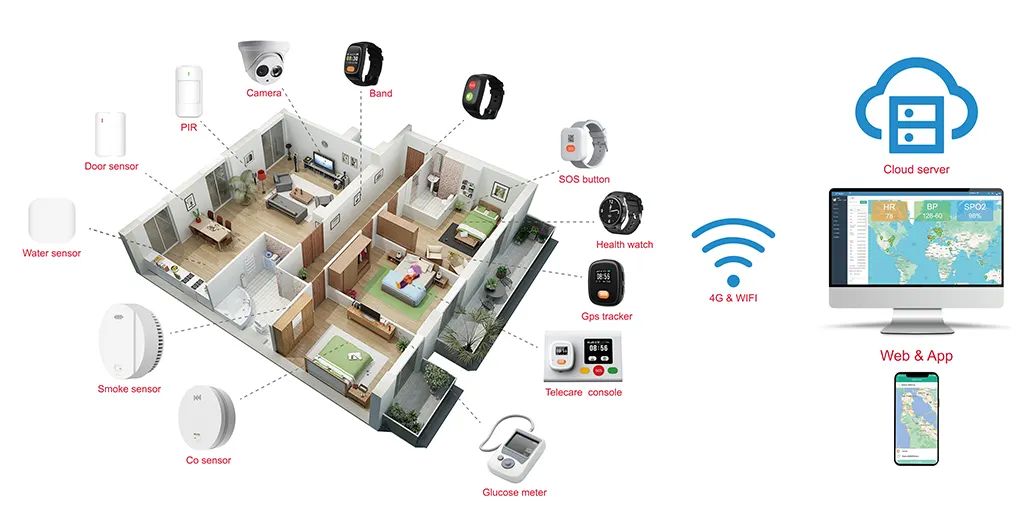
An elderly smartwatch is not just a watch body with a SIM card or GPS module. It is usually part of a wider care workflow. It may involve location tracking, SOS alerts, heart rate monitoring, two-way calling, caregiver apps, dashboards, and cloud-based monitoring. If the manufacturing partner is weak in any one of those areas, the product may look fine during sampling but create problems after launch.
That is why Wearable Manufacturer Evaluation should focus on technical depth, compliance experience, production control, and ongoing support. A lower initial quote can become expensive later if the device has unstable firmware, poor app usability, or repeated hardware returns.
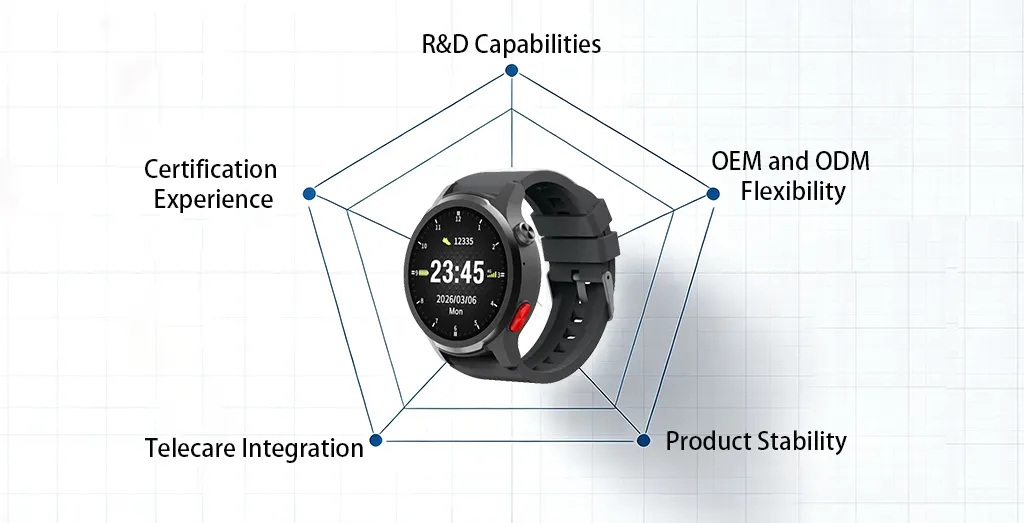
1. R&D Capabilities
The first thing to review is the supplier's real development structure.
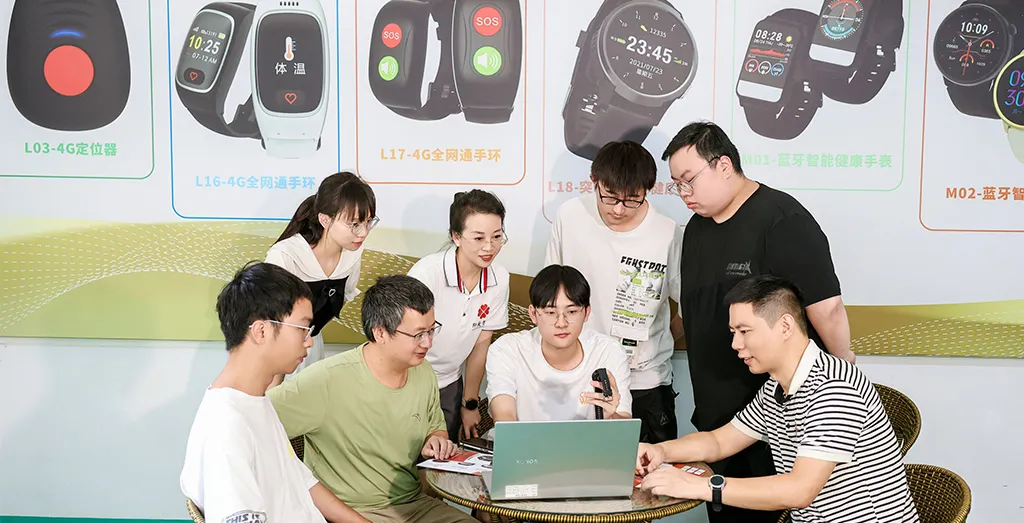
A serious Elderly Smartwatch Manufacturer should have more than a sales team and an assembly line. You should look for in-house or tightly managed teams covering:
• Hardware engineers
• Firmware developers
• App developers
• Cloud or platform engineers
• Testing and validation staff
Why does this matter? Because elderly smartwatch projects usually require coordination across several layers. A hardware issue may need a firmware fix. A user-experience problem may require app adjustment. A telecare customer may ask for alert logic changes on the platform side. If the supplier cannot manage these areas together, development becomes slow and fragmented.
When speaking with a Smartwatch OEM Manufacturer, ask practical questions instead of broad ones. For example:
• Who owns firmware development?
• Is the app developed in-house or outsourced?
• Can the platform team support future feature updates?
• How are bugs tracked and closed?
A capable R&D structure often makes the difference between a one-time shipment and a repeatable product line.
2. OEM and ODM Flexibility
Not every buyer needs the same development path. Some want speed. Others want differentiation.
That is why you should check whether the supplier can support both:
• OEM for faster market entry
• ODM for custom hardware, software, or industrial design
OEM is usually suitable when you want to launch quickly with standard functions and your own branding. ODM is better when you need custom telecare features, local language interfaces, private app deployment, or a different housing design.
A good Telecare Device Supplier should explain the tradeoff clearly. Fast launch is useful, but deep customization may matter more if you are building a long-term care brand or working with insurance, nursing groups, or public health channels.
In many cases, buyers start with OEM and move toward ODM after the first market test. A supplier that supports both gives you more room to grow.
3. Certification Experience
Certification is another area where many projects slow down.
For elderly smartwatch products, buyers often ask about:
• CE
• FCC
• RoHS
In Europe, CE marking applies to products covered by specific EU rules, and manufacturers are responsible for ensuring compliance before placing relevant products on the market. For some device categories, conformity assessment may also involve a notified body. In the United States, RF devices generally must be properly authorized by the FCC before being marketed or imported. RoHS rules in the EU restrict hazardous substances in electrical and electronic equipment.
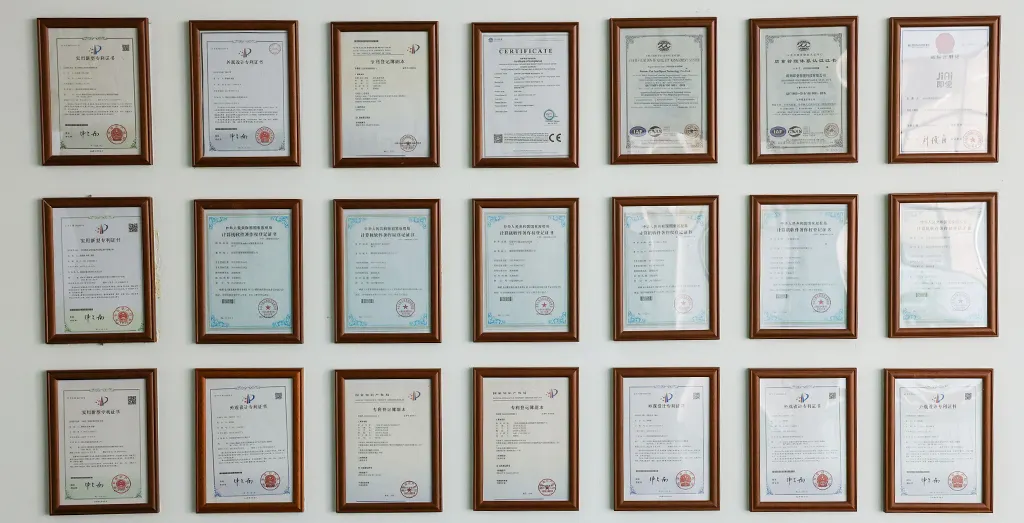
For buyers, the important point is simple: do not just ask whether the factory has "certificates." Ask whether they have real project experience handling similar products, similar markets, and similar radio or telecare functions.
A qualified Smartwatch OEM Manufacturer should be able to explain:
• Which certifications apply to the exact model
• Which reports already exist
• What needs retesting after design changes
• How long the compliance process usually takes
This helps you avoid delays caused by incomplete paperwork or last-minute redesigns.
4. Product Stability
Samples can be misleading. A clean demo unit does not prove stable field performance.
This is why product stability deserves direct review. Ask the factory for:
• Field test data
• Customer references
• Failure rate information
• Battery cycle performance
• Waterproof or durability test records
A dependable Elderly Smartwatch Manufacturer should be ready to discuss common failure points honestly. These may include charging contact wear, SIM or network instability, strap breakage, poor GPS performance indoors, app pairing issues, or battery drop after months of use.
You do not need perfect numbers. What you need is transparency. A factory that openly tracks defects and corrective actions is usually safer than one that only says the quality is "very good."
5. Telecare Integration
This step is often missed during early sourcing.
An elderly smartwatch may be sold as a consumer wearable, but many B2B projects depend on telecare workflows. That means the device should work with wider systems, not only its default app.
A well-prepared Telecare Device Supplier should support:
• API integration
• Cloud platforms
• Monitoring systems
• Alert routing logic
• Data export or admin management tools
This point matters when your target market includes care operators, assisted living groups, emergency support services, or health platform providers. If the supplier does not support integration, your team may face extra challenges when linking the device with your service model in the future.
During Wearable Manufacturer Evaluation, ask the supplier to demonstrate how alerts are triggered, how data is stored, and whether platform tools can be adapted for different account setups.
Long-Term Support
For IoT and telecare devices, the product journey does not end after shipment.
Firmware upgrades, bug handling, server maintenance, and technical assistance all remain part of the lifecycle. Once firmware becomes outdated, a smartwatch can quickly turn into a service issue, especially when mobile apps or communication environments are updated.
So ask the manufacturer:
• How often is firmware updated?
• Is remote troubleshooting available?
• How are app issues handled after launch?
• What is the support window for older models?
A credible Elderly Smartwatch Manufacturer should offer value that goes beyond the first order.
Production Capacity
Lastly, check whether the factory can really support your sales plan.
Check:
• Factory scale
• Lead time
• Quality control workflow
• Incoming material inspection
• Aging test and final inspection process
A smaller supplier can still fit specialized projects, but it is important to understand actual output capacity and how well the production process is controlled. For brands with long-term growth goals, stable lead times and dependable QC performance matter just as much as product design and functions.
Conclusion
Choosing the right Elderly Smartwatch Manufacturer is not simply a matter of lower cost. It is about selecting a partner that can support development, certification, telecare integration, consistent production, and long-term service.
For overseas buyers, the smartest path is to evaluate the supplier as a full system partner. When you compare a Smartwatch OEM Manufacturer, a Telecare Device Supplier, or any project under Wearable Manufacturer Evaluation, look beyond the sample. The real value is long-term reliability, scalability, and support.