
BLE Beacons for Indoor Positioning In Nursing Homes

2026-03-17

BLE Indoor Positioning Nursing Homes is becoming a practical answer to one of the hardest problems in elderly care: knowing where residents are inside a building when GPS cannot deliver stable room-level visibility.
For nursing homes, assisted living operators, telecare providers, and device brands, this is no longer just a tech topic. It is a care, safety, and workflow topic. The World Health Organization continues to stress the importance of person-centered long-term care for older people, which makes reliable indoor location tools more relevant across care settings.
Why Indoor Tracking Matters More Than Before
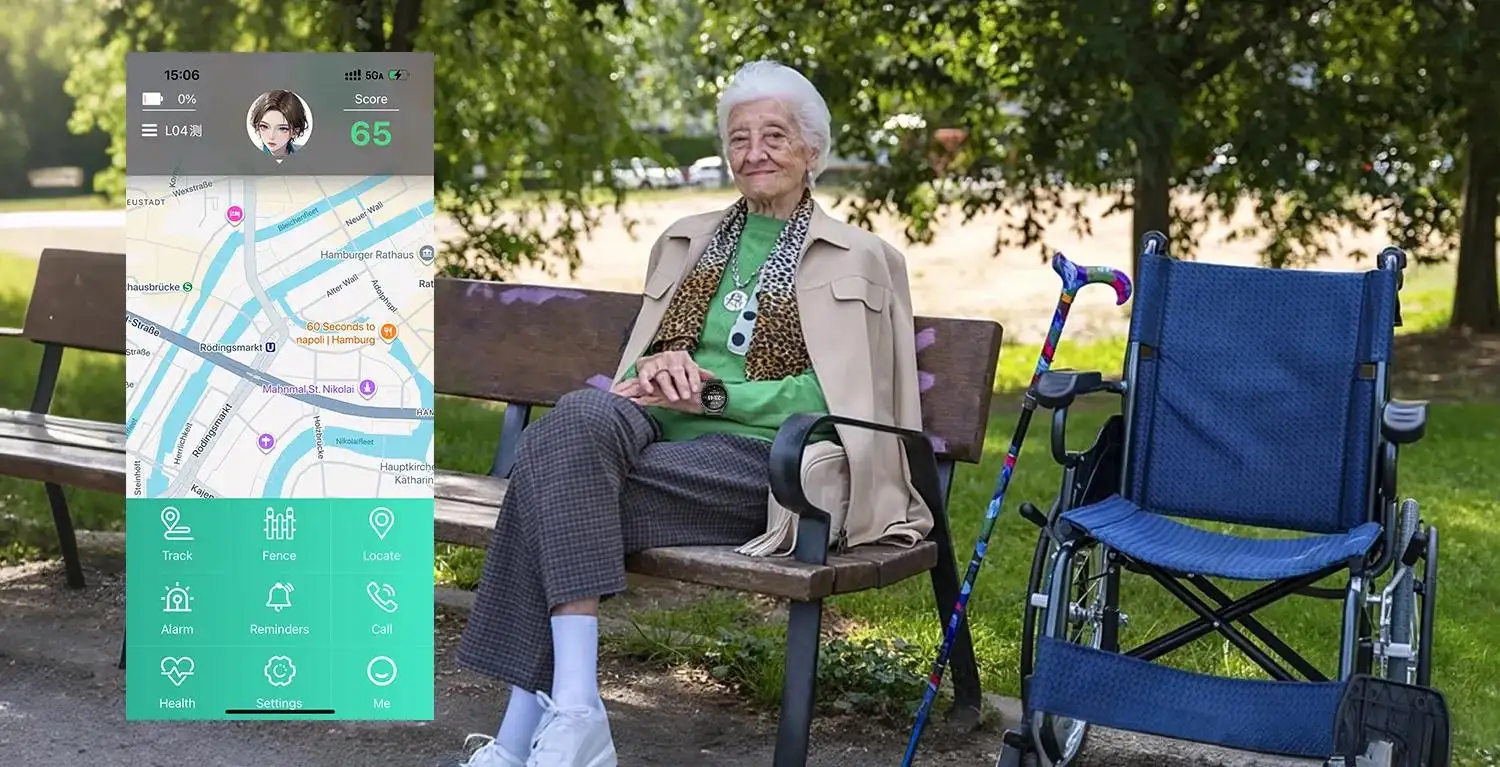
Outdoor tracking is already familiar to many buyers. A watch with GPS can support location awareness during walks, transfers, or off-site activities. But inside a nursing home, GPS becomes much less dependable. Walls, ceilings, room layouts, and signal blockage reduce accuracy, which is why many elderly care projects now look at BLE Beacons Elderly Care solutions as a necessary complement rather than an optional upgrade. Bluetooth and indoor positioning specialists both describe BLE beacons as low-energy transmitters that nearby devices can detect, making them suitable for proximity and indoor location use cases.
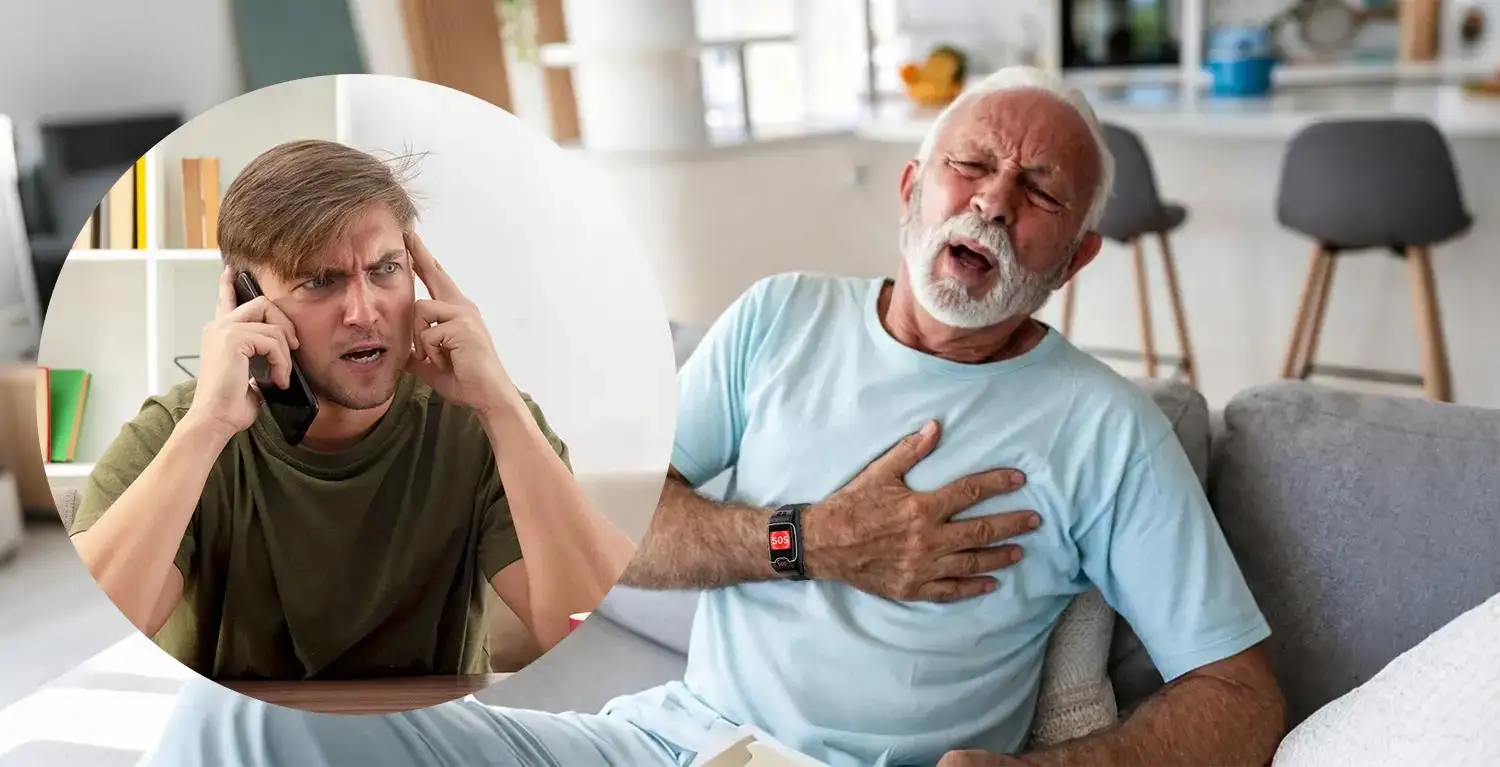
This matters because indoor tracking is closely tied to daily risk control. In memory care and long-term care environments, wandering is a real concern. The National Institute on Aging recommends door alarms and other protective measures for people who may wander, which shows why location-triggered alerts inside facilities are valuable in real operations.
How BLE Beacons Work in a Nursing Home
At a basic level, a BLE system is simple to understand.
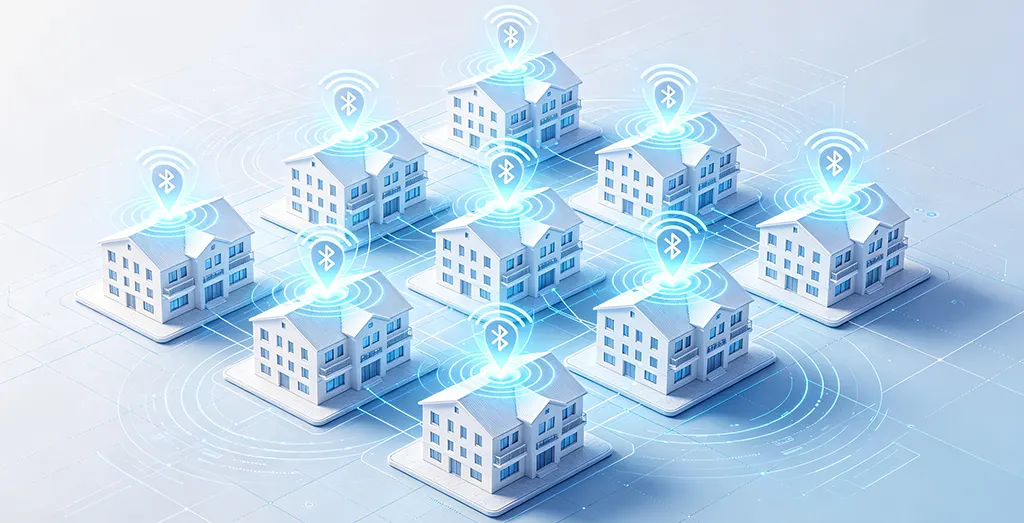
A beacon sends out a Bluetooth Low Energy signal at regular intervals. Once the signal is detected by a nearby wearable device like a senior smartwatch, wristband, or pendant, the system uses signal strength, beacon spacing, and software logic to determine an approximate location. That location data is then shown on a care platform, allowing staff to review the resident's position, movement path, or current zone.
A typical setup includes:
• BLE beacons installed across rooms, hallways, exits, and shared spaces
• A wearable device carried by the resident
• A gateway, smartphone, or local network connection for data transfer
• A monitoring dashboard for alerts, maps, and care workflows
This structure makes Telecare Indoor Positioning easier to deploy in real facilities because it does not depend on satellite visibility. It also keeps power consumption relatively low, which is important for wearable products used by older adults. Bluetooth SIG describes beacons as devices that broadcast data to nearby receivers, which supports this kind of indoor awareness model.
The Main Benefits for Nursing Homes
The biggest value of Bluetooth Beacon Tracking is not just knowing where someone is. The bigger value is knowing sooner, responding faster, and reducing avoidable stress for both staff and families.
- Accurate Indoor Location
With a well-planned beacon layout, the system can identify whether a resident is in a room, corridor, dining area, or another defined zone. That level of visibility is often enough for care teams. They do not always need centimeter-level precision. They need practical, actionable location data.
- Wandering Prevention
If a resident approaches a restricted door, stairwell, medication room, or memory care boundary, the system can trigger an alert. This gives staff a chance to respond before a small issue becomes a major safety event.

- Better Staff Efficiency
Care teams lose time when they need to manually search for residents across multiple rooms or floors. Indoor Tracking Elderly systems can shorten response time and support smoother shift operations, especially in larger sites.
- Stronger Family Confidence
Families want reassurance that loved ones are not only being monitored outdoors, but also protected inside the facility where they spend most of their time. Indoor positioning adds another layer of trust to the care model.
Integration With Wearables Is Where the Market Gets Interesting
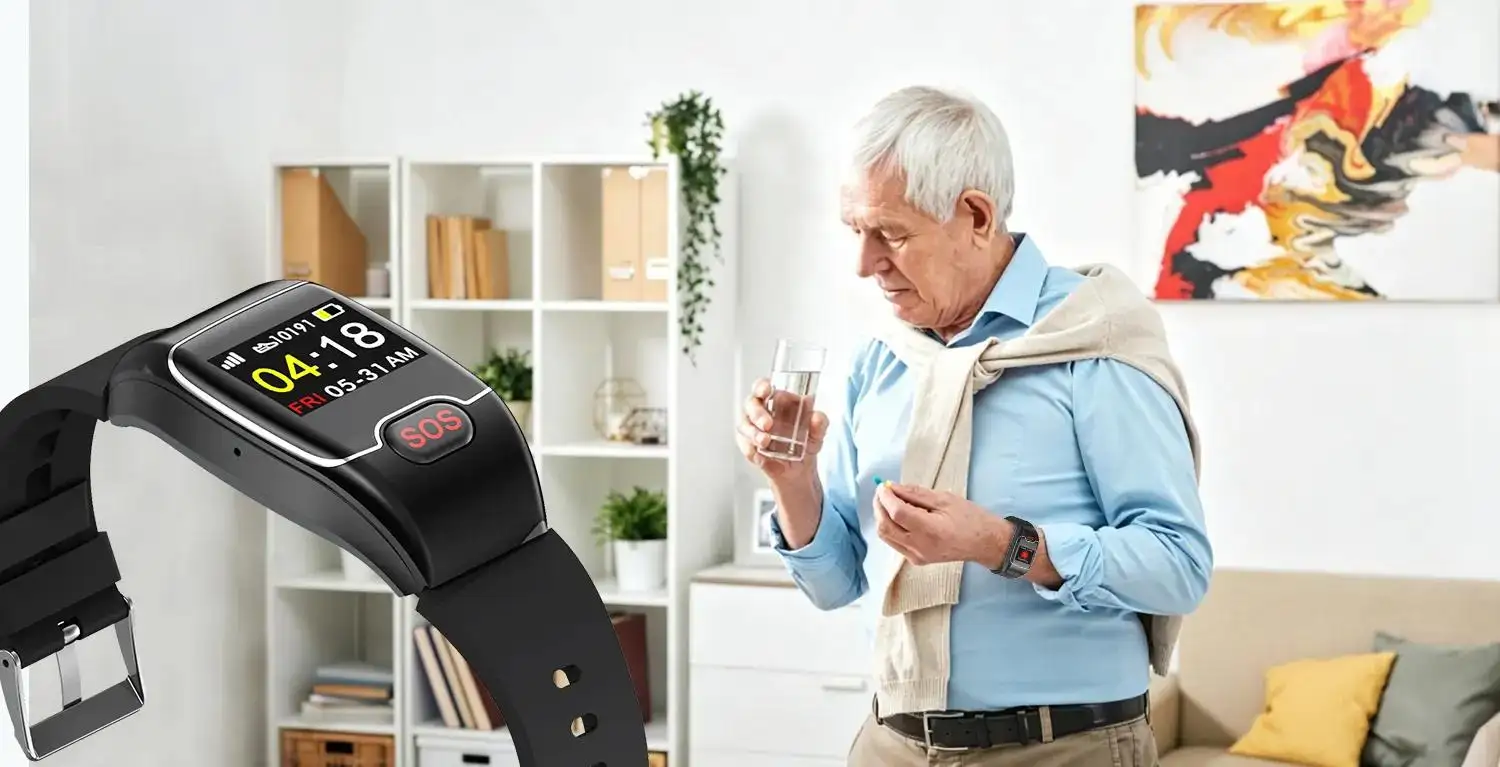
Modern smartwatches and pendants for seniors are no longer limited to SOS calling and GPS. More OEM and private-label buyers now want a product roadmap that includes indoor positioning support. That is where BLE Beacons Elderly Care projects become commercially attractive.
A wearable can integrate a BLE module alongside GPS, cellular, Wi-Fi, fall detection, heart rate monitoring, and emergency calling. In practice, that creates a hybrid tracking model:
• GPS for outdoor movement
• BLE for indoor zones
• Telecare platform for alerts, logs, and staff actions
For overseas buyers, this combination is easier to sell because it matches real care scenarios. A nursing home does not operate only outdoors or only indoors. It needs both.
System Architecture Buyers Should Understand
When discussing BLE Indoor Positioning Nursing Homes with a manufacturer or solution partner, buyers should review the system as a full architecture, not as a single device feature.
The core architecture usually includes:
• Beacon Network — fixed beacons arranged across the building
• Wearable Device — smartwatch, badge, wristband, or pendant with BLE support
• Gateway Or Cloud Server — local relay or remote cloud system for data processing
• Monitoring Dashboard — staff-facing dashboard for maps, alerts, resident profiles, and event history
This is often the stage where project quality rises or falls. Hardware alone does not decide the outcome. The logic behind deployment, the usability of the dashboard, and the design of alert rules are equally important.
OEM and ODM Opportunities for Elderly Care Brands
For manufacturers and brand owners, this segment provides clear opportunities for customization. A supplier such as JiAi, or another OEM/ODM developer in elderly telecare devices, can modify the solution to fit different target markets.
Common customization points include:
• BLE firmware and beacon communication logic
• Compatibility with existing nurse call or telecare systems
• Integration protocols for third-party platforms
• Alert behavior and geo-fence logic
• Battery strategy, wearable form, and charging method
• Branding, app interface, and language localization
This is especially important for distributors entering healthcare channels, senior care programs, insurance-linked telecare services, or municipal elderly support projects.

The Challenges Buyers Should Not Ignore
The opportunity is real, but so are the deployment challenges.
First, there is installation cost. A facility needs enough beacons in the right places. Sparse deployment usually leads to weak results.
Second, there is signal interference. Walls, metal surfaces, elevators, medical equipment, and layout complexity can affect signal behavior.
Third, there is calibration complexity. Indoor positioning is not only about switching devices on. It requires testing, tuning, and ongoing maintenance if the building layout changes.
That is why buyers should ask practical questions early:
• How many beacons are needed per floor?
• What accuracy is realistic by zone?
• How often does calibration need adjustment?
• Can the system scale from one site to multiple facilities?
Final Thought
BLE beacons are not replacing GPS. They are filling the indoor gap that GPS cannot solve well. For nursing homes, that makes BLE Indoor Positioning Nursing Homes, Telecare Indoor Positioning, Indoor Tracking Elderly, and Bluetooth Beacon Tracking more than trending keywords. They are becoming part of how modern elderly care products are designed, sold, and deployed.
For overseas buyers, the takeaway is simple: if your wearable roadmap only covers outdoor tracking, it may already be incomplete. Indoor positioning is where the next layer of value is being built.