
The Complete Guide to Elderly Smartwatch Development

2026-03-16
Elderly Smartwatch Development is becoming a strong B2B opportunity as ageing populations grow and healthcare systems invest more in remote care, safety monitoring, and connected support. For buyers, distributors, and brand owners, the market for Smartwatch For Seniors, Telecare Smartwatch, and GPS Smartwatch Elderly products is becoming broader and more competitive.
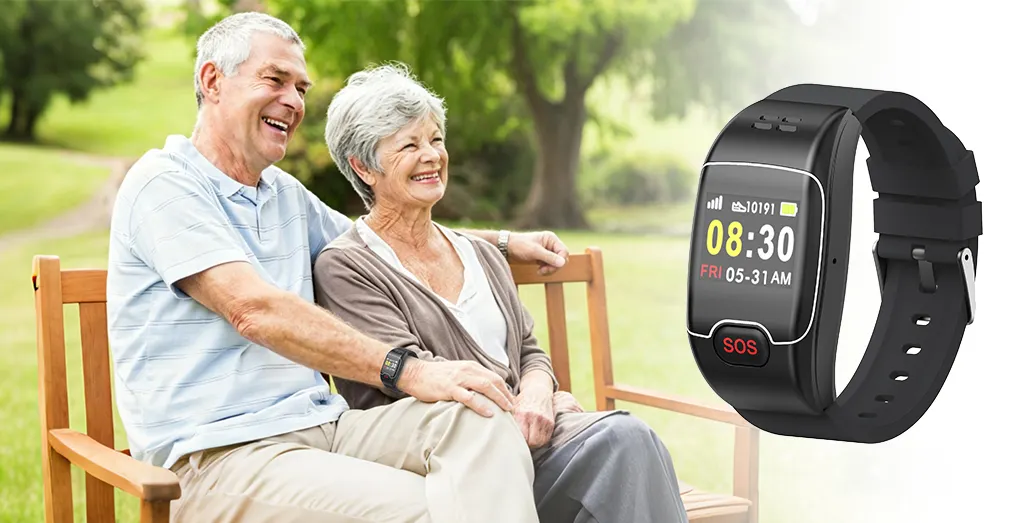
But a successful product is not built from hardware alone. In real projects, OEM Smartwatch Development for seniors depends on stable hardware, reliable firmware, telecare platform integration, regulatory planning, and long-term technical support. That is why Senior Wearable Technology should be developed as a complete solution rather than treated as a basic consumer device.
Why the Senior Smartwatch Market Needs a Different Product Logic
A smartwatch for young consumers often sells on style, app variety, or sports features. A senior-focused watch works differently. The buying logic is built around safety, simplicity, and dependable communication.
For most B2B projects, the real question is not whether the watch looks modern. The real question is whether it can help a caregiver locate a user quickly, trigger an alert fast, and stay online long enough to be useful in daily life. That is where Elderly Smartwatch Development becomes more demanding than ordinary wearable design.
Overseas buyers also need to think about the deployment model early. In some cases, the product is created for family care use. In others, it is designed for nursing groups, telecare providers, insurance partners, or local emergency response programs. Each use case changes the product requirements, especially around software, alerts, dashboards, and connectivity.
Key Features Required in an Elderly Smartwatch
A good Smartwatch For Seniors should focus on clear, high-value functions instead of feature overload.
- Emergency SOS Must Be Fast and Easy
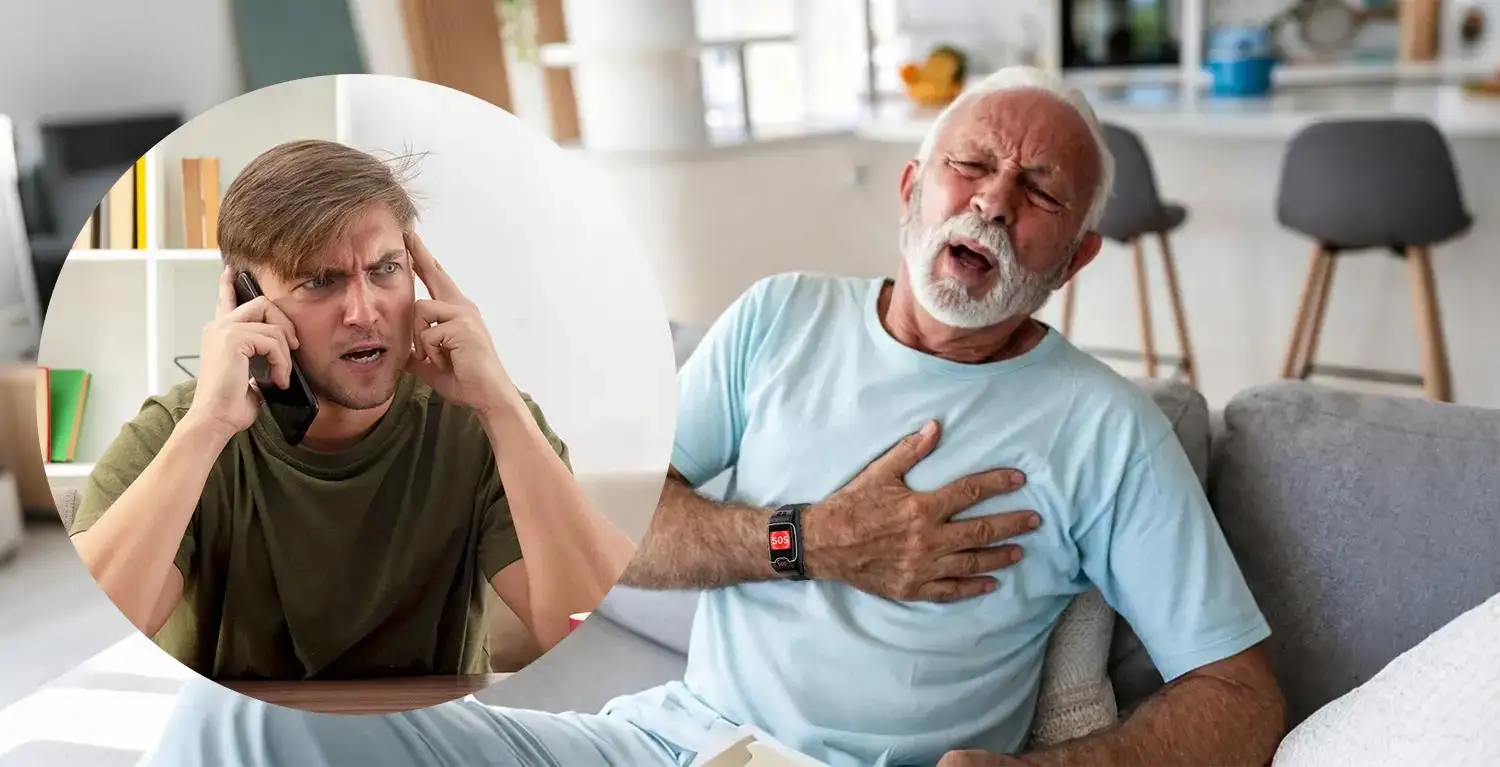
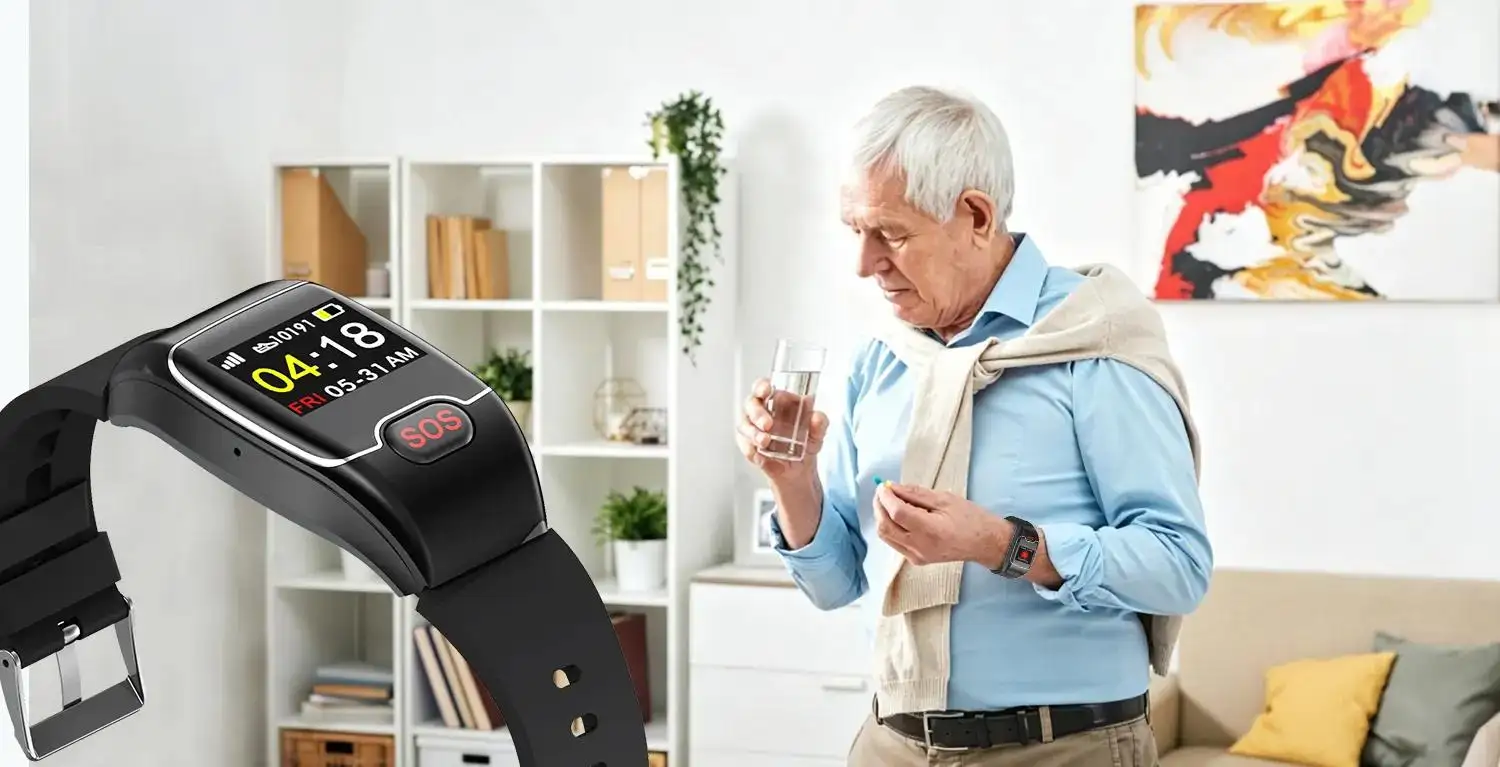
The SOS function is often the core feature. One-button emergency calling should be simple enough for older users to trigger under stress. In many telecare projects, the watch also needs to connect that alert to a caregiver app, a monitoring dashboard, or a response center.
- Positioning Must Work in Real Conditions
Accurate location is one of the biggest selling points for a GPS Smartwatch Elderly product. In practice, that usually means combining several positioning methods instead of relying on one alone:
•GPS for outdoor tracking
•Wi-Fi positioning for indoor support
•LBS fallback when signal conditions are weak
This layered setup improves usability in daily environments such as apartments, hospitals, communities, and care facilities.
Fall Detection and Basic Health Monitoring Add More Value
Fall detection is now a major differentiator in Senior Wearable Technology, but buyers should treat it carefully. The value is real, yet performance depends on sensor quality, algorithm tuning, and how the feature is positioned in the market. In regulated health contexts, wearable claims can trigger higher compliance expectations. The FDA's current digital health guidance makes clear that intended use and marketing claims matter a lot when deciding whether a product stays in low-risk wellness territory or moves toward medical-device expectations.
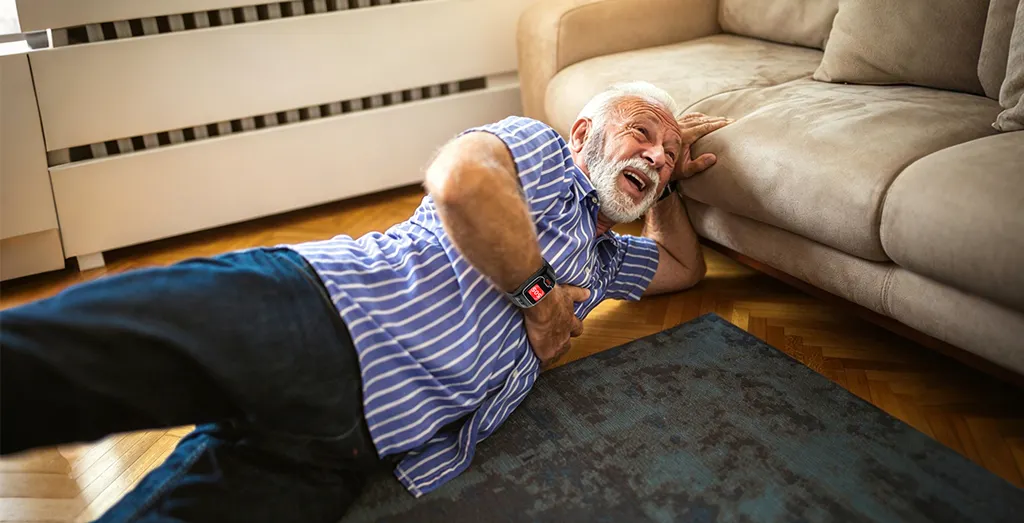
Basic health features such as heart-rate tracking, step counting, reminders, and inactivity alerts can still add everyday value without making the product too complex.
- Hardware Decisions That Shape Product Reliability
Hardware is where many projects quietly succeed or fail. A strong concept can still struggle if the watch is hard to charge, unstable on networks, or too fragile for real-world use.
- Battery Life Matters More Than Fancy Specs
Senior users and caregivers usually care more about dependable standby time than advanced display features. In many B2B projects, a practical target is around 3 to 7 days depending on screen size, network mode, GPS frequency, and background reporting.
- Global Network Planning Cannot Be Ignored
For international rollout, 4G LTE compatibility is not optional. Band support affects whether the watch can actually work in target markets. Buyers planning OEM Smartwatch Development for multiple countries should lock down carrier strategy, eSIM or nano-SIM options, and roaming logic before mass production.
Low-power cellular technologies also matter. GSMA notes that LTE-M is designed for low device complexity, extended coverage, and reuse of existing LTE infrastructure, which is especially relevant for connected wearable and telecare deployments.
- Durability Supports Lower Return Rates
Senior devices need solid practical protection:
•IP67 or better water resistance
•Anti-drop housing design
•Stable charging contacts or magnetic charging
•Loud speaker and vibration support
•Large, readable display with simple UI
These details are not cosmetic. They affect return rates, user satisfaction, and long-term device adoption.
Software and Telecare Platform Integration
In many projects, software is where the real product value lives. A watch alone is only part of the offer. What buyers often need is a Telecare Smartwatch system that connects device, app, cloud platform, and response workflow.
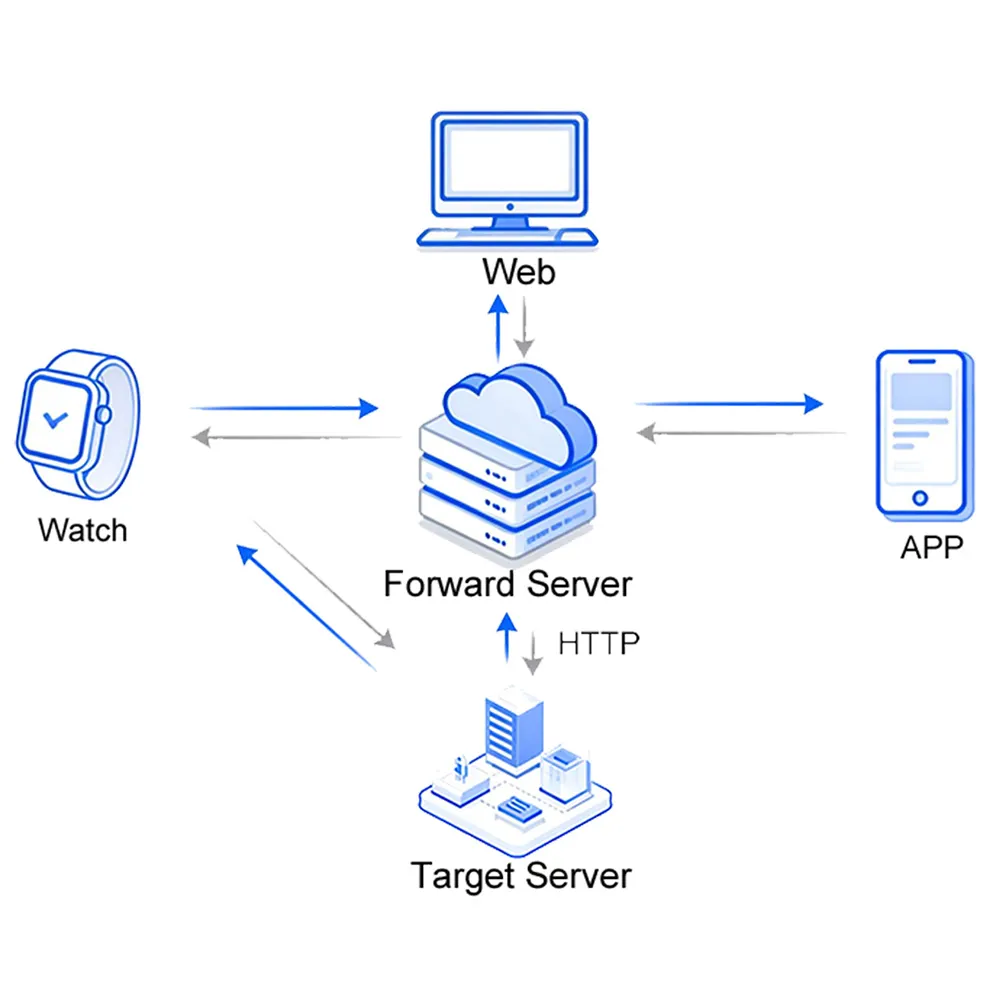
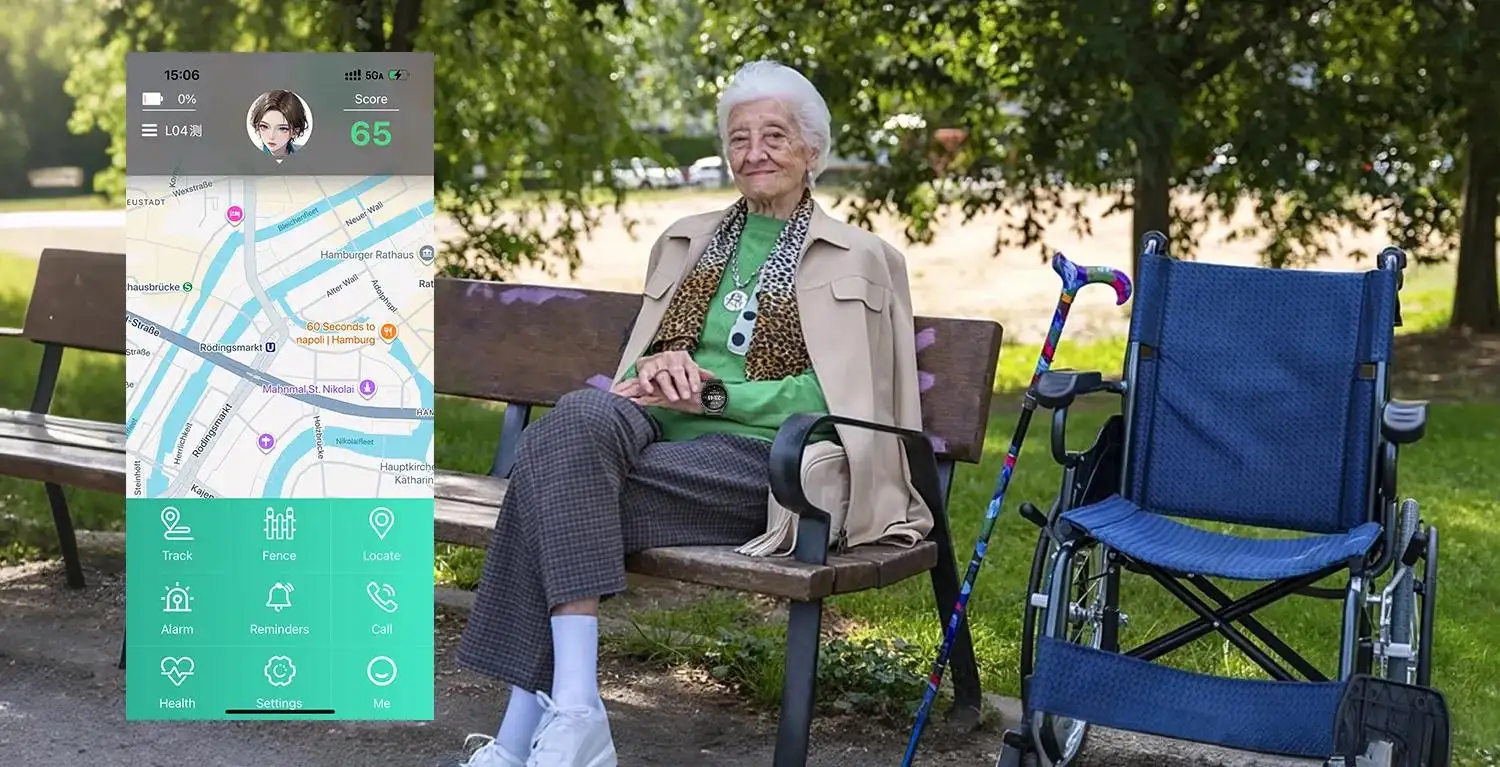
That usually includes caregiver apps, monitoring dashboards, geofencing, alert history, device management, and emergency escalation logic. OTA firmware updates are equally important. Without OTA capability, long-term maintenance becomes slow, expensive, and difficult to scale. NIST has also highlighted remote lifecycle management and device cybersecurity as core parts of connected IoT product security, which matters even more when a wearable handles location, alerts, and personal data.
For buyers, this means software should be reviewed as seriously as hardware. A stable backend and update path can be more valuable than a longer feature list.
OEM Vs ODM Development: Which Path Fits Better
In OEM Smartwatch Development, the usual appeal is speed. Buyers can start from an existing platform, reduce tooling time, and lower initial investment. This path works well for distributors, pilot projects, and brands that want faster launch timing.
ODM development is different. It supports deeper customization in housing, UI, firmware logic, packaging, app branding, and platform functions. That creates more room for differentiation, but it also means higher engineering cost, longer lead times, and more project coordination.
A simple rule works well here:
•Choose OEM when speed and budget matter most
•Choose ODM when brand identity and custom workflow matter more
Neither model is always better. The right choice depends on your market, channel, and after-sales capability.
The Development Process and Why Manufacturing Experience Matters
A typical Elderly Smartwatch Development project follows a practical sequence: requirement definition, hardware selection, firmware customization, app or platform integration, certification, testing, and mass production.
Certification should never be left to the end. In the United States, wireless devices that emit RF energy fall under FCC equipment authorization requirements. In Europe, the compliance path can become more demanding if product claims move closer to medical use. That is why experienced manufacturing partners are valuable: they help buyers plan hardware, firmware, testing, and certification together instead of fixing problems late in the project.
An experienced OEM or ODM manufacturer can usually offer:
•Faster development cycles
•More stable hardware platforms
•Existing telecare integration experience
•Better control of testing and production risk
•Long-term technical support after launch
For B2B buyers, that experience often saves more time and cost than chasing the lowest unit price.
Conclusion
Elderly Smartwatch Development is no longer just a hardware project. It is a connected product strategy that combines device engineering, telecare logic, software integration, compliance planning, and lifecycle support. For brands entering the Smartwatch For Seniors market, success usually comes from choosing the right feature set, the right deployment model, and the right manufacturing partner.
When a product is built around real senior needs rather than consumer gadget trends, a GPS Smartwatch Elderly or Telecare Smartwatch solution can become much easier to position, scale, and support across global markets.