
Smartwatch vs SOS Pendant: Choosing the Right Device for Senior Care

2026-03-25
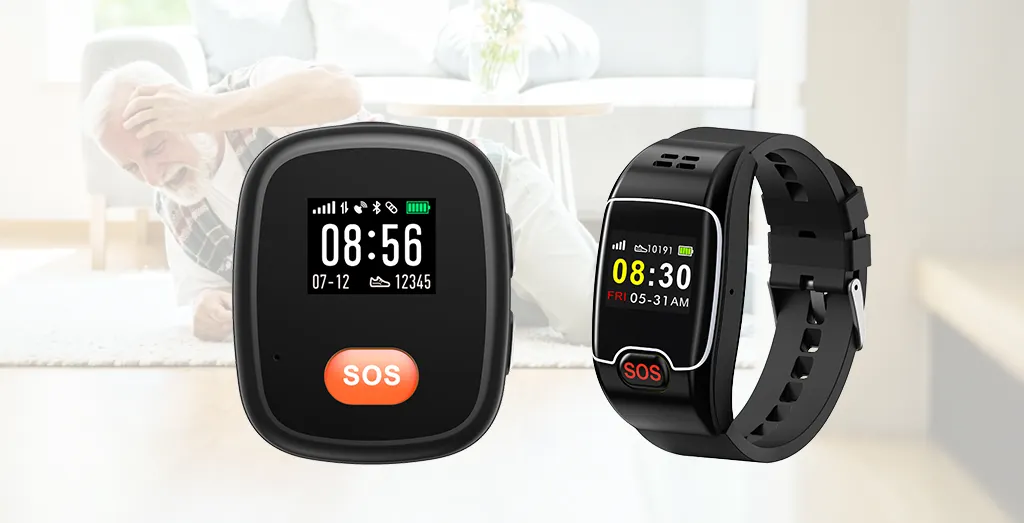
Smartwatch vs SOS Pendant is now a practical sourcing decision for telecare providers, healthcare channels, and senior care brands. As the older population grows and care risks such as falls and wandering remain common, buyers need devices that fit real user needs. That is exactly why Medical Alert Pendant Vs Smartwatch, Elderly Wearable Comparison, and Telecare Device Comparison deserve close attention in B2B planning. The best choice is not always the one with more features. At JiAi Intelligent Technology, we help global partners build flexible telecare solutions that match different care models, users, and market demands.
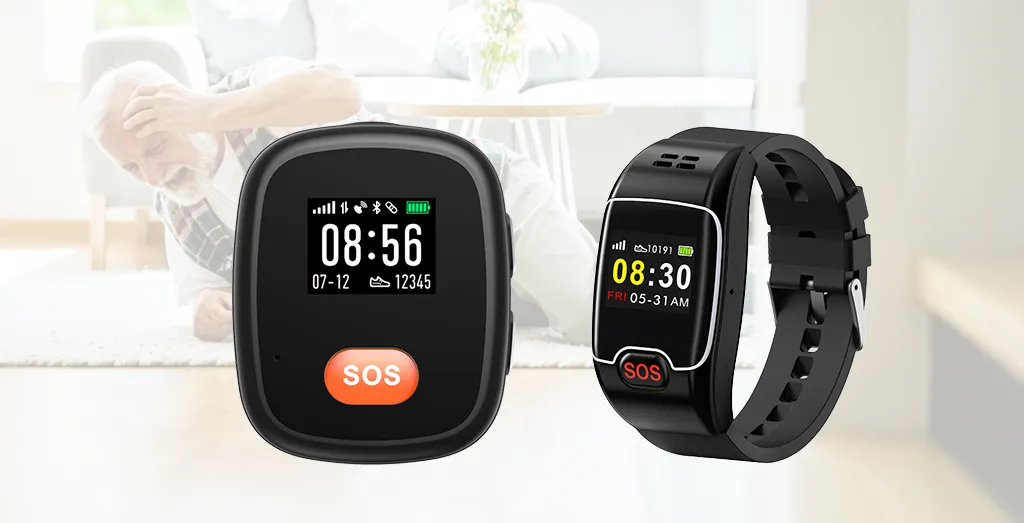
Why the Smartwatch Category Gets So Much Attention
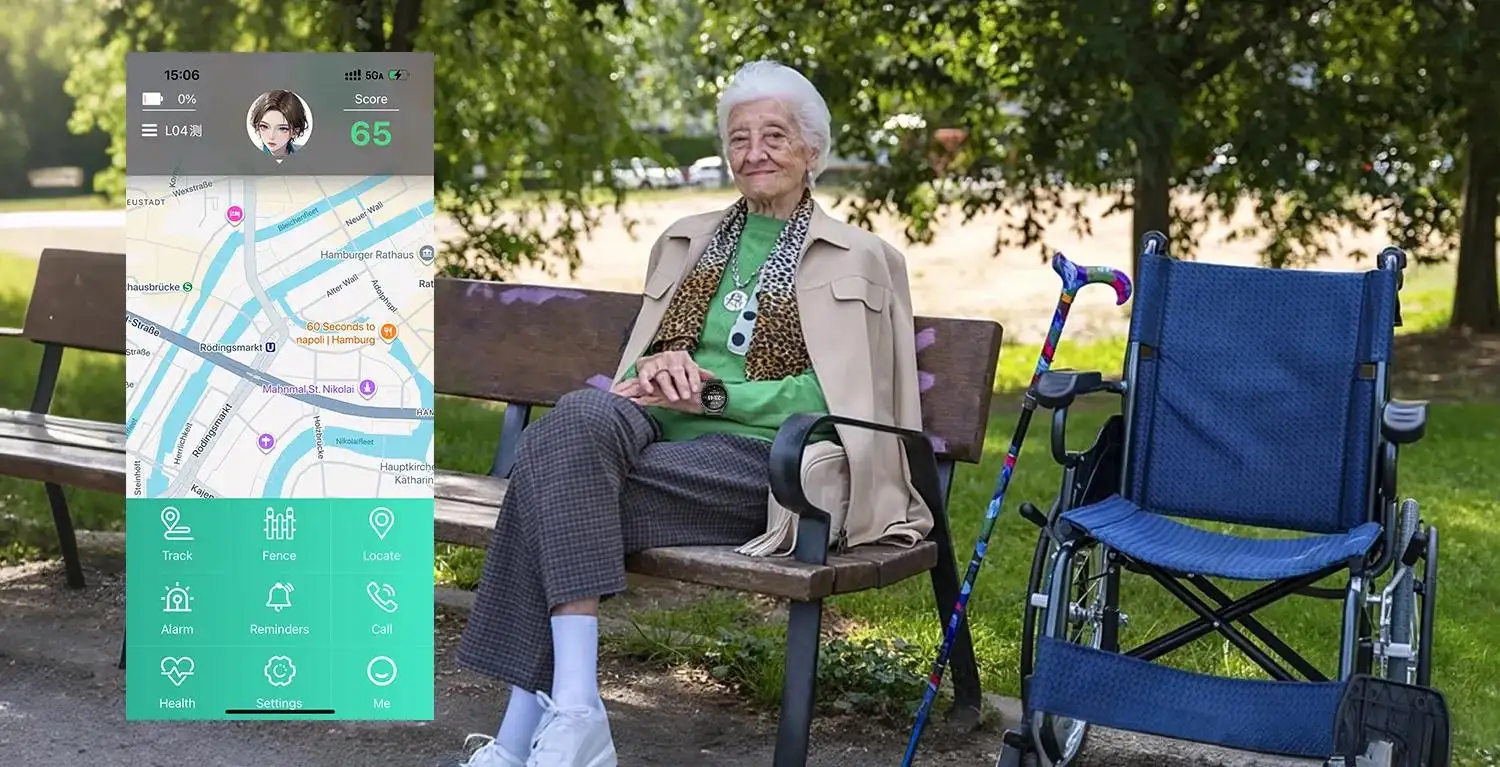
A smartwatch is often the more attractive option for brands that want a connected, modern-looking product with broader functionality. In a typical Telecare Device Comparison, this category stands out because it can combine several functions into one wearable.
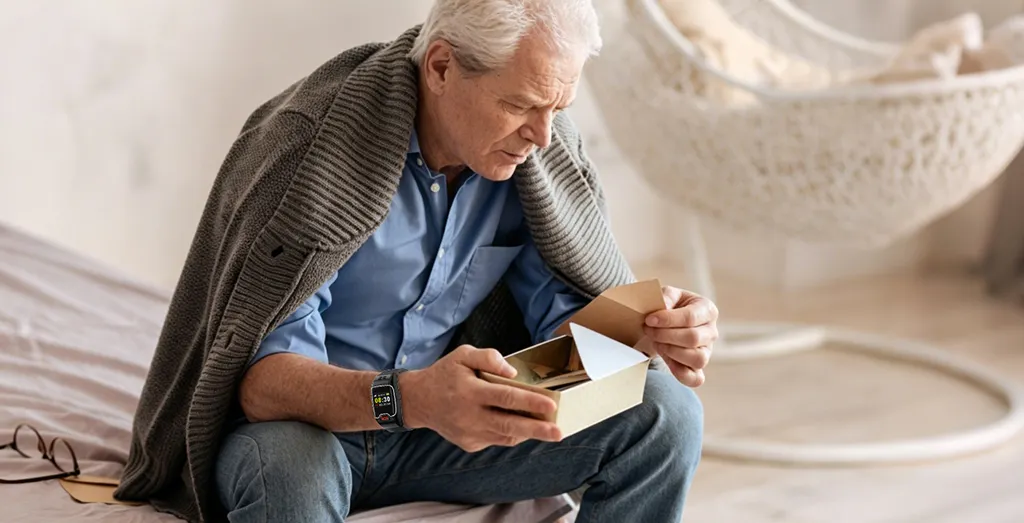
Common smartwatch strengths include:
• GPS positioning for outdoor tracking
• Two-way communication
• Health-related monitoring functions
• App integration for family members or care platforms
• More daily engagement with the user
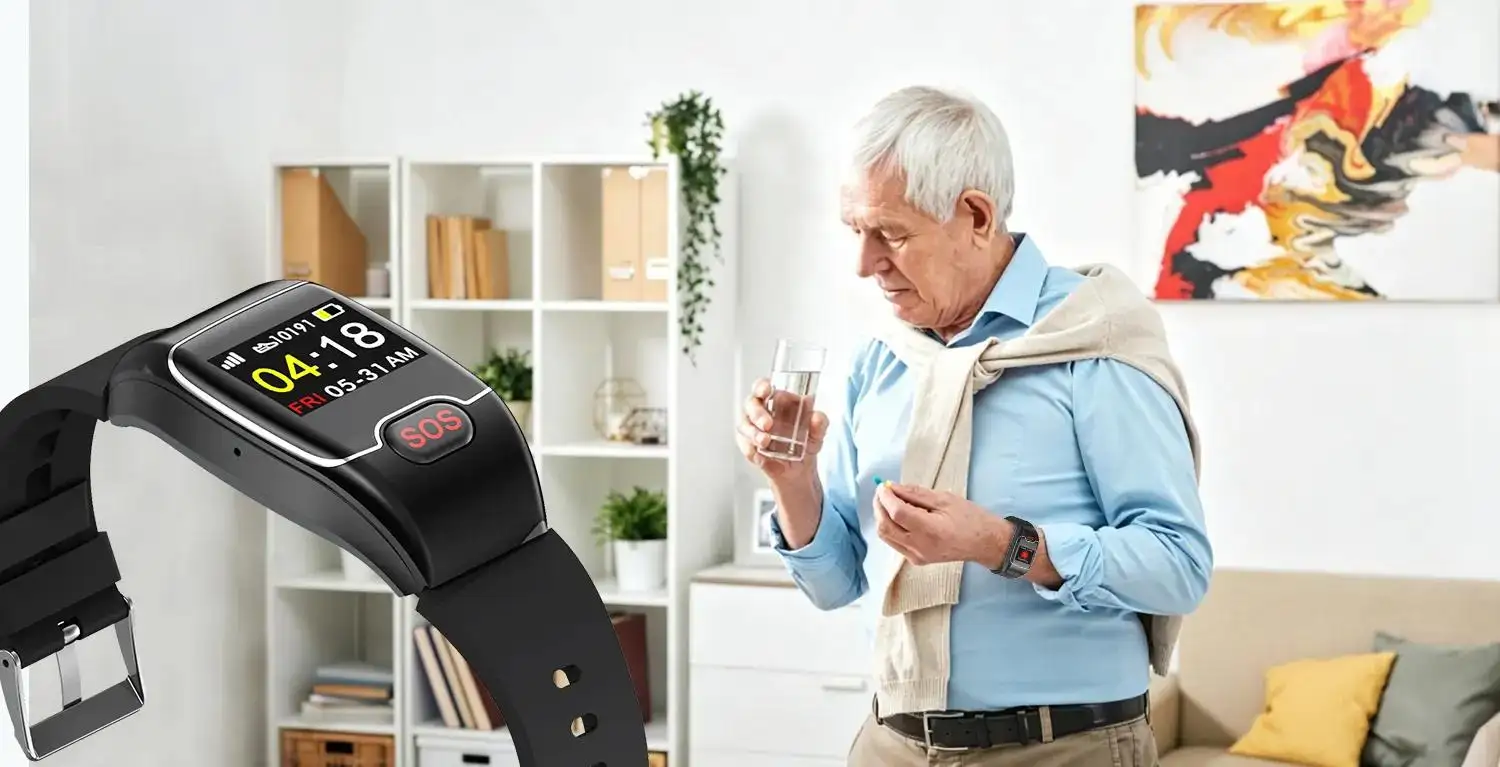
For active seniors, that matters. A smartwatch can fit naturally into daily routines because it does more than send emergency alerts. It can support location awareness, reminders, communication, and in some models, health trend monitoring. This makes the device feel less like a single-purpose safety product and more like a lifestyle tool with care value.
From a business standpoint, smartwatches also support stronger platform linkage. If you are building a care app, a family dashboard, or a remote monitoring service, smartwatch products usually offer more room for software integration and brand differentiation. The National Institute on Aging has also highlighted the growing role of technology for in-place monitoring and wearable-based safety support in older adult care.
Still, a smartwatch is not automatically the best answer for every user. More functions can also mean a higher learning curve.
Why SOS Pendants Still Matter in Senior Care
In many Elderly Wearable Comparison projects, the SOS pendant remains one of the most practical device formats on the market.
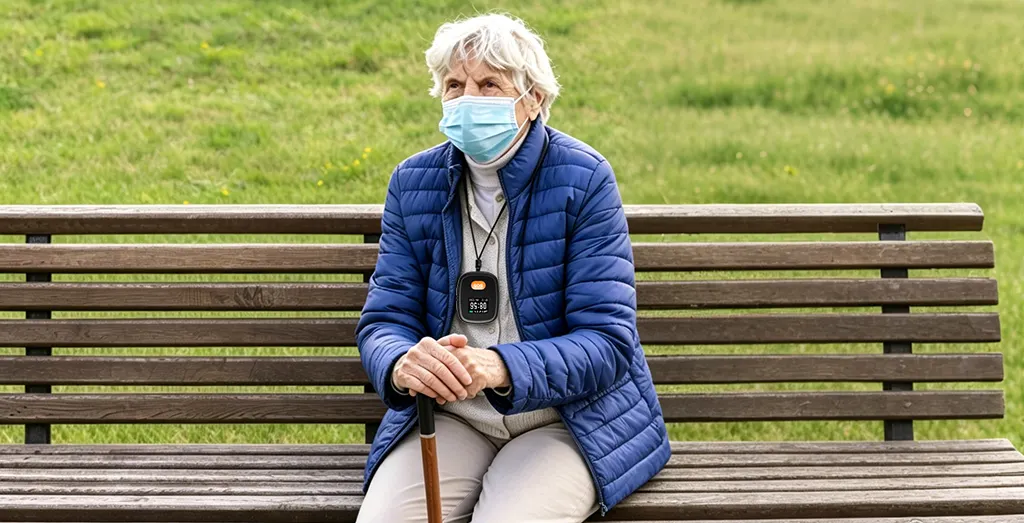
Its strengths are straightforward:
• Simple and easy to use
• Lower product cost
• Discreet appearance
• Clear single-purpose emergency positioning
That simplicity is exactly why pendants still perform well in real telecare settings. When a user is older, frailer, cognitively impaired, or less comfortable with touchscreens and menus, fewer steps often mean better real-world usability. A pendant does not ask the user to learn multiple features. It focuses on one main action: getting help fast.
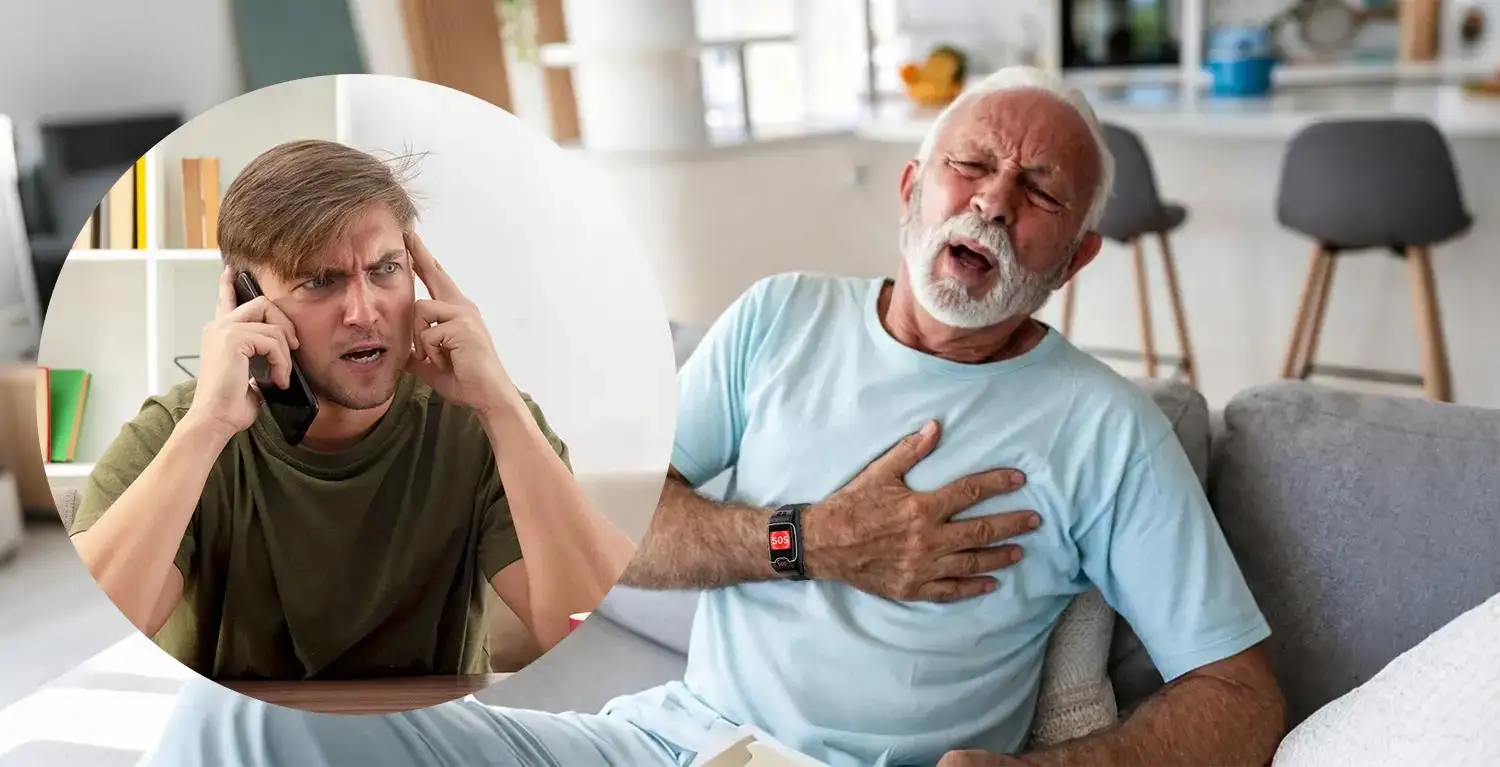
This is especially relevant in dementia care and high-risk monitoring. The Alzheimer's Association emphasizes that wandering can be dangerous and that families should plan safety strategies in advance. In these cases, a pendant's clear emergency identity can be an advantage, especially when the care goal is rapid response rather than daily digital engagement.
For B2B buyers, pendants also make sense because they are usually easier to position in public health programs, entry-level telecare packages, and cost-sensitive tenders.
Smartwatch Vs SOS Pendant: Side-By-Side Comparison
Here is a simple Medical Alert Pendant Vs Smartwatch view for sourcing discussions:
| Feature | Smartwatch | SOS Pendant |
| Function | Multi-function | Single-purpose SOS |
| Cost | Higher | Lower |
| User Experience | Interactive | Simple |
| Training Need | Moderate | Low |
| App Integration | Strong | Limited to moderate |
| Design Role | Lifestyle + care | Emergency-focused |
This table looks simple, but it helps buyers avoid a common mistake: choosing only by feature count.
In many projects, the better question is not “Which device is more advanced?” It is “Which device is more usable for the target user?”
Use Case Scenarios That Make The Choice Easier
A good Smartwatch vs SOS Pendant decision usually becomes clearer when you look at the user profile.
Active Seniors often do better with a smartwatch. They are more likely to accept a screen-based device, interact with reminders, and benefit from GPS, calling, and app-based support.
High-Risk Patients may be better served by an SOS pendant. If the priority is emergency access, reduced complexity, and fast adoption, the pendant often wins.
Dementia Care Users may also lean toward simpler formats, depending on stage, supervision level, and wearing habits. Since wandering is common in dementia care, the device should support supervision in a simple way. Family care programs may favor smartwatches because they offer calls, location sharing, and app access that help families stay connected.
Pendants are often selected by institutional telecare channels because they reduce training demands, control costs, and support a clearer emergency workflow.
So in a real Telecare Device Comparison, user behavior matters as much as hardware specs.
Why Many OEM and ODM Buyers Offer Both
This is where strategy becomes more interesting.
Many B2B buyers no longer treat Smartwatch vs SOS Pendant as an either-or decision. Instead, they build both into one senior care product system. That approach makes sense because the senior care market is not one single customer group. It includes active older adults, assisted living residents, dementia care users, community telecare programs, insurance channels, and healthcare service providers.

Offering both products gives brands more flexibility:
• Entry-level and premium product tiers
• Different solutions for different risk profiles
• Cross-selling within one telecare ecosystem
• Better coverage for public and private channels
For OEM and ODM development, this also creates room for brand-level customization. A buyer may want a pendant for public tenders and a smartwatch for retail, pharmacy, or family care channels. The hardware roles are different, but the platform, data flow, and brand identity can still stay connected.
That is often the smarter business move.
The Right Choice Depends on the User and the Program
There is no one-size-fits-all answer in Medical Alert Pendant Vs Smartwatch decisions.
A smartwatch makes sense when the user can handle more interaction and when the business model benefits from app integration, communication, and multi-function use. An SOS pendant makes sense when simplicity, faster onboarding, lower cost, and clear emergency response matter most.
For overseas buyers, the strongest strategy is often not choosing one category against the other. It is building a product mix that fits real care scenarios.
At JiAi Intelligent Technology, we believe the best Elderly Wearable Comparison starts with the end user, then moves outward to channel strategy, software connection, and manufacturing execution. That is how telecare products become more than devices. They become workable solutions for senior care markets that are growing, changing, and demanding better fit every year.