
GPS Tracker for Alzheimer Patients: A Guide for Memory Care and Wandering Response

2026-06-23
Using GPS Technology as a Safety Tool
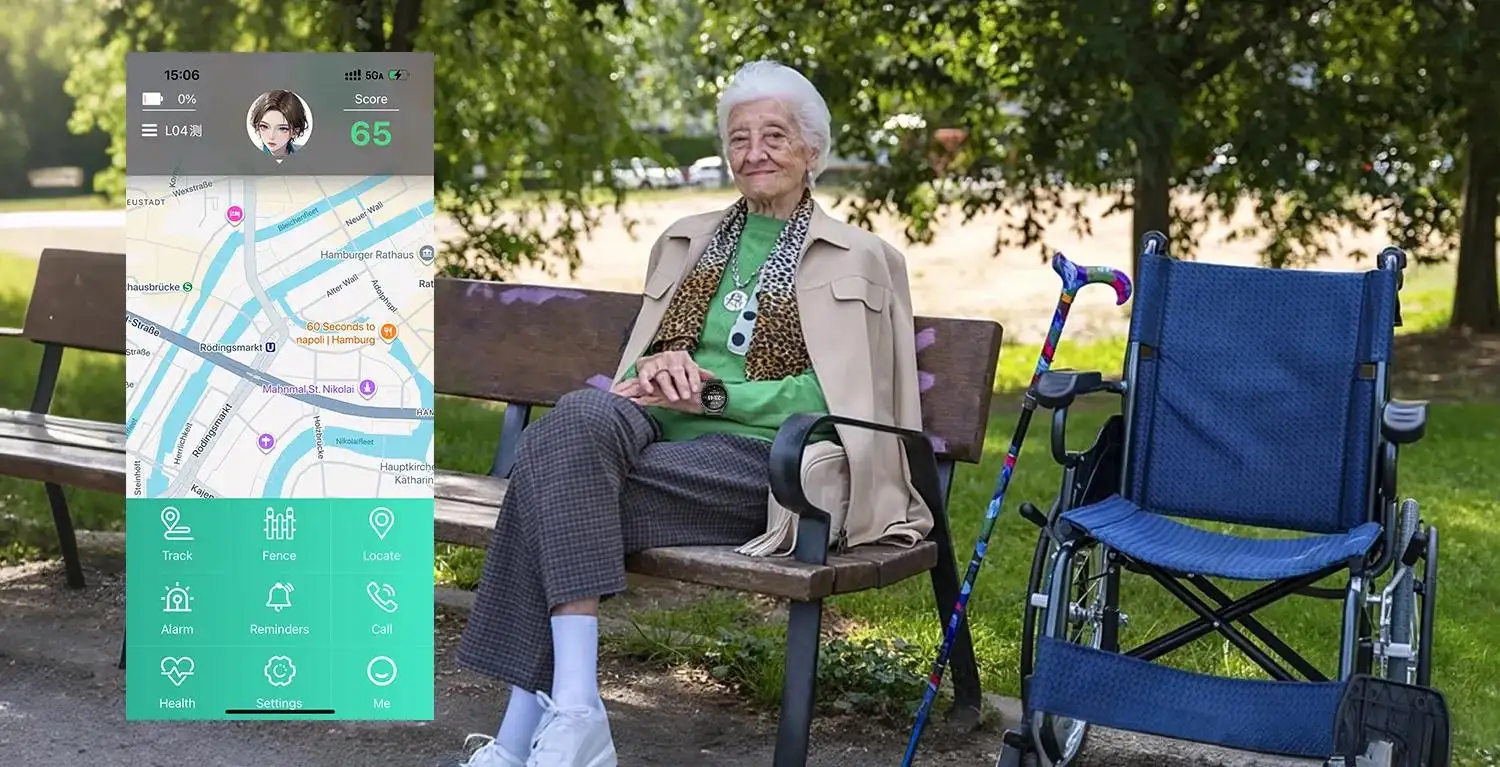
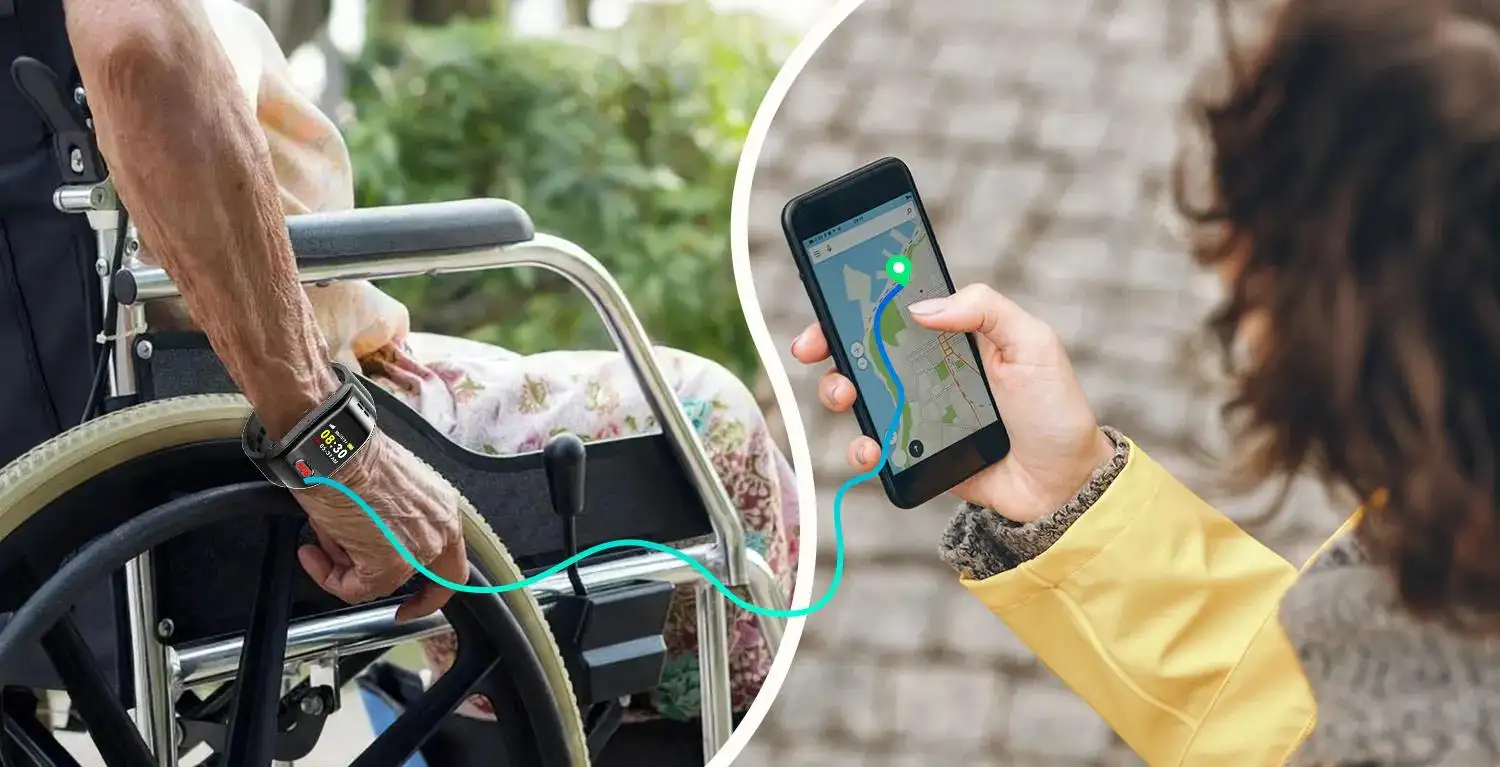
When selecting a GPS tracker for Alzheimer's patient care, this is not only a purchase decision, but part of a safety and response plan. Care teams can use wearable GPS devices to know when a person has left a certain area, check location history, or respond to SOS alerts.
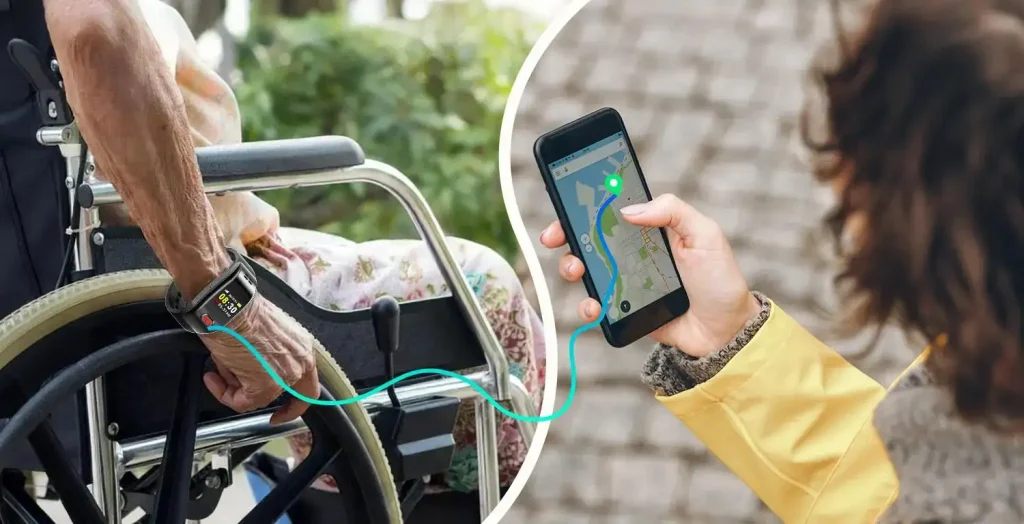
Critical Boundary: GPS as a safety and response tool is an added safety measure, but is not an alternative to daily care, supervision, or response procedures. No GPS tracker for Alzheimer patient should be presented as a device that "prevents wandering." GPS, geofences, and alerts support awareness and response, but they cannot replace regular check-ins, individualized care plans, or established emergency protocols.
The Alzheimer's Association emphasizes that location tracking is one of many ways to help a person with dementia stay safe, and it must be used alongside other safety measures. The Association also notes that no system is 100% accurate, some devices work poorly indoors, and tracking is not equivalent to 24-hour companionship. GPS tracker dementia patients solutions are awareness tools within a broader care framework.
Start With the Care Scenario
Define the use case before comparing devices. Different situations require different combinations of simplicity, reporting frequency, caregiver management, and calling functions:
• Independent living programs – notify staff when a participant leaves a neighborhood.
• Family care services – easy SOS and location for added security.
• Memory care facilities – alert when a resident leaves an outdoor area.
• Telecare operations – integrate location, alerts, and battery on one platform.
Each scenario demands a different approach. Define workflow first; select technology second.
Watch, Pendant, Shoe Tracker, or Discreet Tracker?
A GPS locator for elderly care should be chosen based on real wearing behavior, not appearance. The most sophisticated wandering prevention device elderly users can wear is useless if removed or left uncharged.
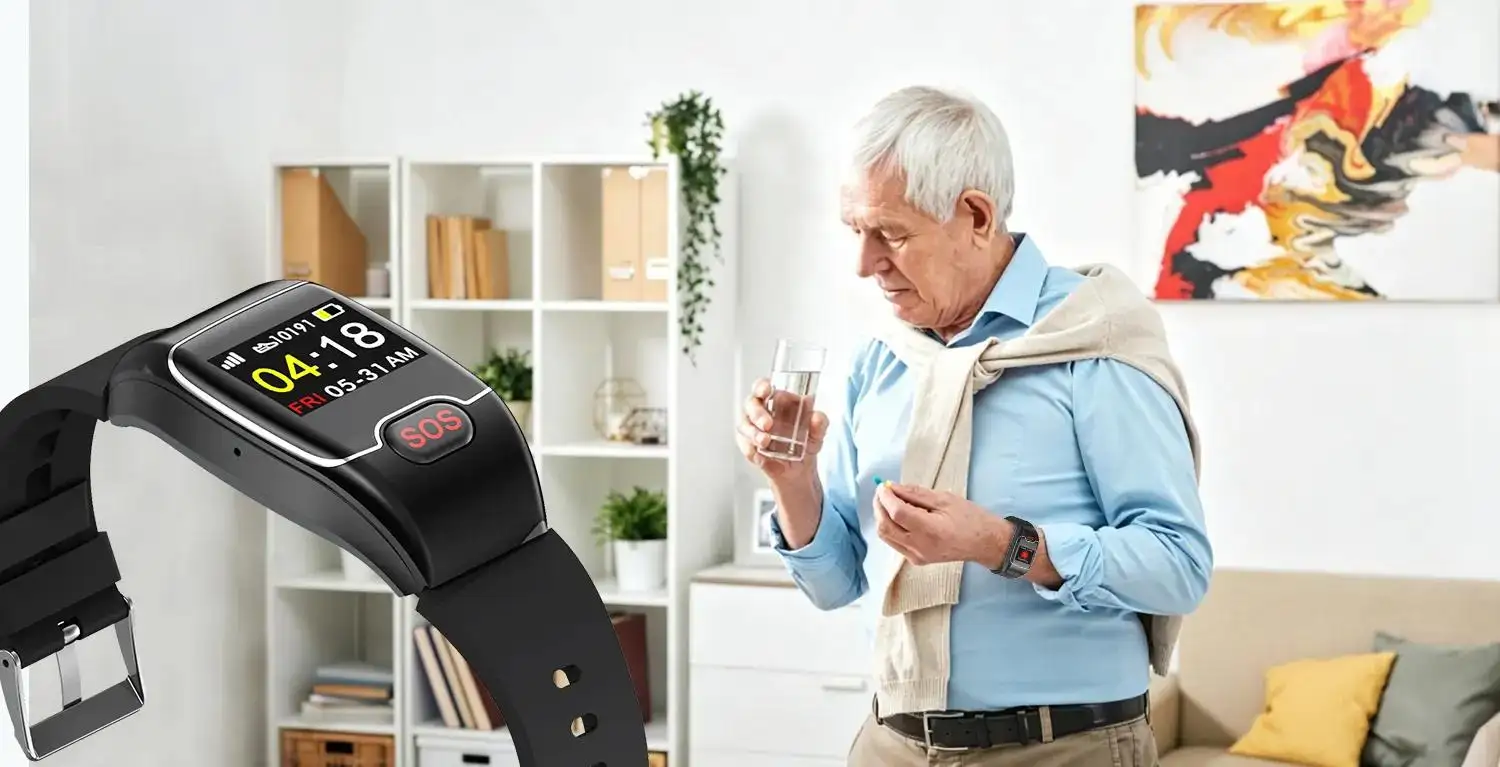
• GPS smartwatch – combines GPS, cellular, SOS, and two-way calling. Suitable for users comfortable with a watch. Key question: will they wear and charge it consistently?
• SOS pendant – simple press-button design. Good for those who prefer a basic device.
• Shoe tracker or discreet form – useful when wrist or pendant devices are often removed. Still requires testing for comfort, charging, and acceptance within the care plan. A discreet tracker should never replace communication or consent procedures.
GPS Accuracy and Indoor Limitations
Outdoor GPS provides useful location data when the device has clear sky view and reliable mobile connectivity. No GPS tracker for Alzheimer patients should promise constant pinpoint accuracy.
Performance varies due to buildings, satellite visibility, network conditions, and positioning method. Indoors, devices may rely on Wi-Fi or cell-tower positioning, giving a general area rather than room-level location. The Alzheimer's Association explicitly notes that GPS tracking inside buildings is seldom possible, and urban tracking is not always reliable. For facilities, clarify if you need outdoor route visibility, building-level awareness, or room-level positioning. GPS alone is not for precise indoor positioning; consider BLE beacons, Wi-Fi, or RFID if indoor awareness is essential.
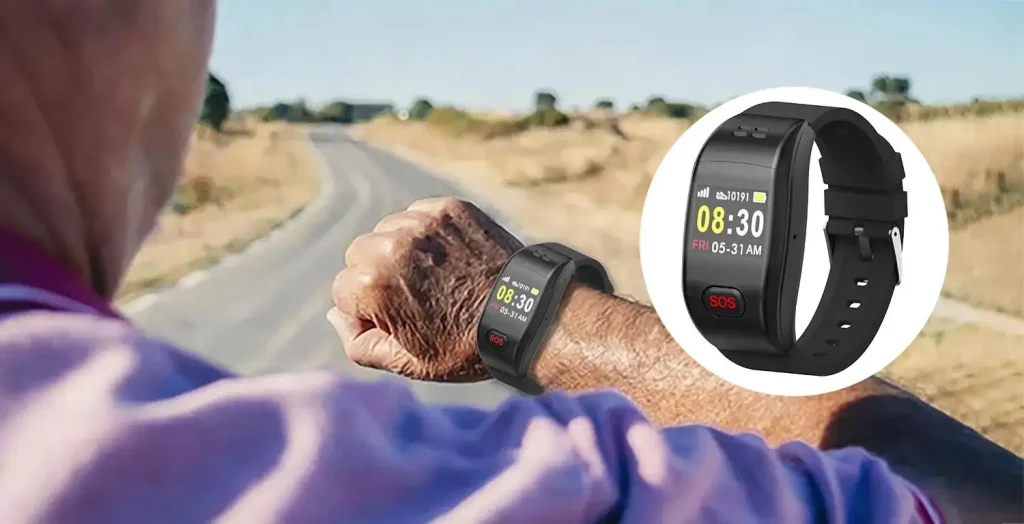
Geofence Alerts Need a Response Plan
A geofence is a virtual boundary. Entering or leaving it triggers an alert. The critical question is not just "Does the memory care GPS tracker support geofencing?" but "What happens after an alert?"
A practical workflow should define:
• Safe zone size and location – too small creates false alerts; too large delays notification.
• First alert recipient – family, facility staff, or telecare operator?
• Acknowledgement requirement – must the recipient confirm by a certain time?
• Escalation – what if first contact does not respond?
• Alert content – include location link, device status, and event details.
• False-alert review – adjust settings after real-use testing.
The Alzheimer's Association advises considering time delays in alerts based on the service plan and ensuring network reliability where the person lives and travels.
Battery Life vs. Reporting Frequency
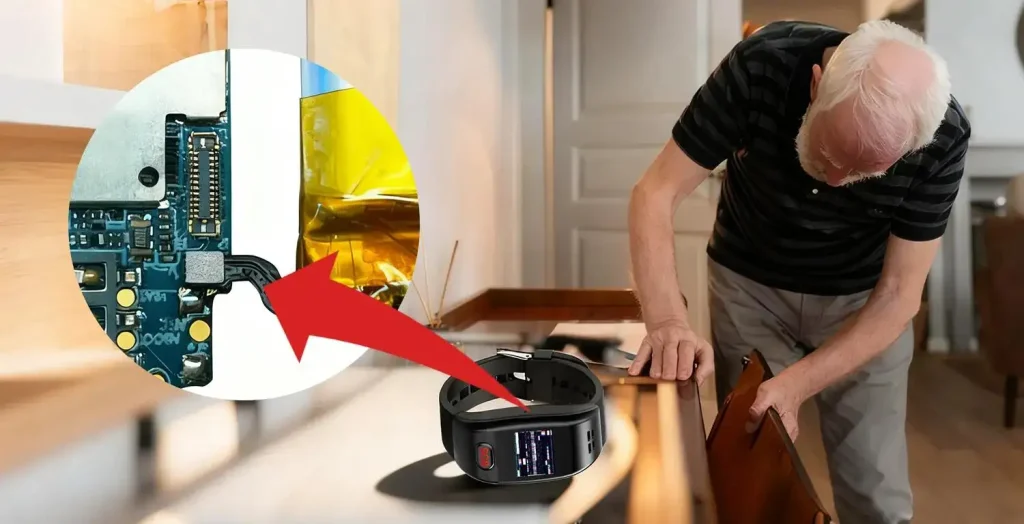
Battery performance is central to any wandering prevention device for elderly care. More frequent updates drain power faster. Instead of relying on advertised battery life, request test conditions:
• Reporting interval (e.g., 5 min, 30 min, or on-demand)?
• Device state during testing (moving, stationary, indoor)?
• Which features are active (SOS, calling, Wi-Fi, Bluetooth)?
• Battery drain in weak signal areas?
• Low-battery warning timing – enough to charge before offline?
Configurable intervals often work better than fixed settings. Balance visibility with a sustainable charging routine.
SOS, Calling, and Escalation
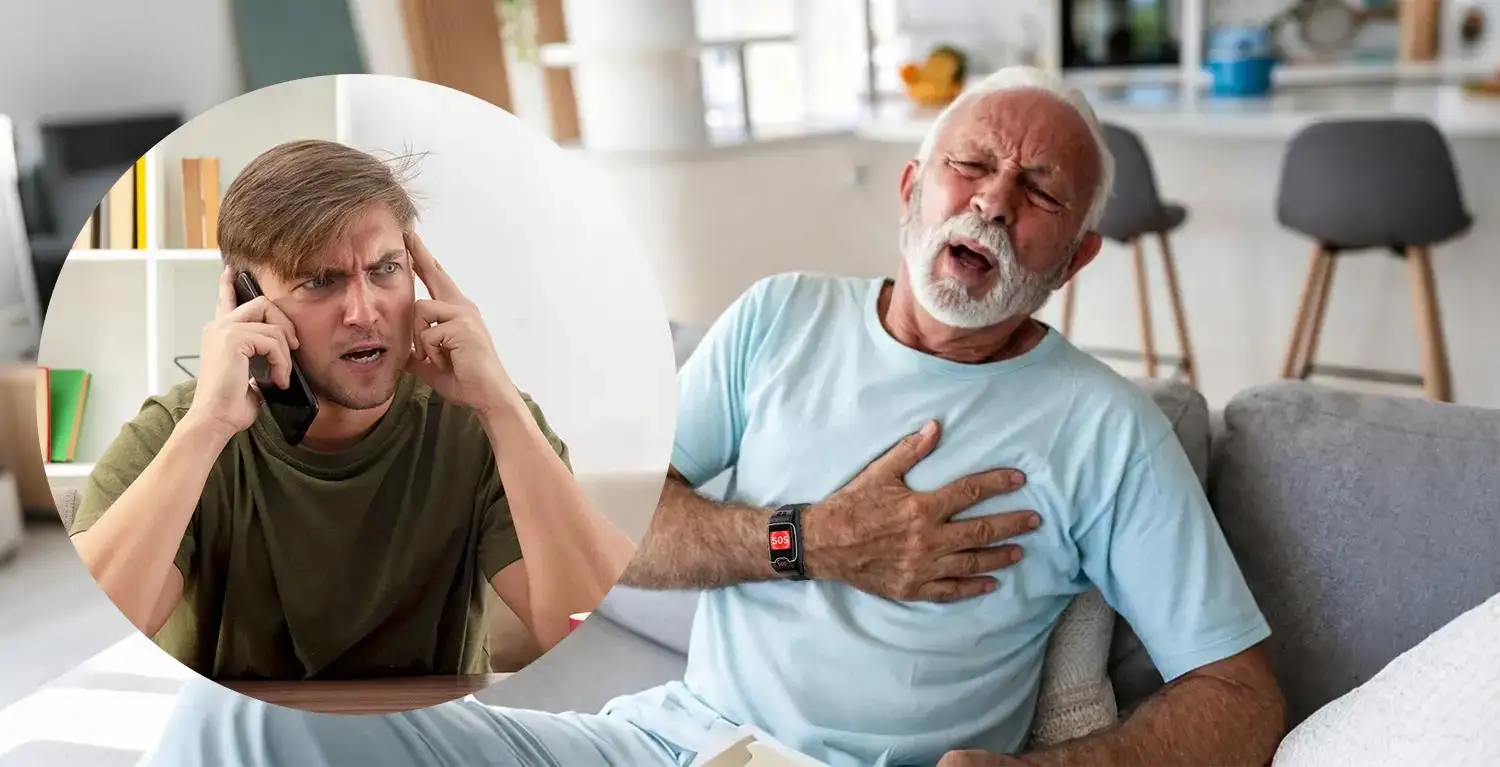
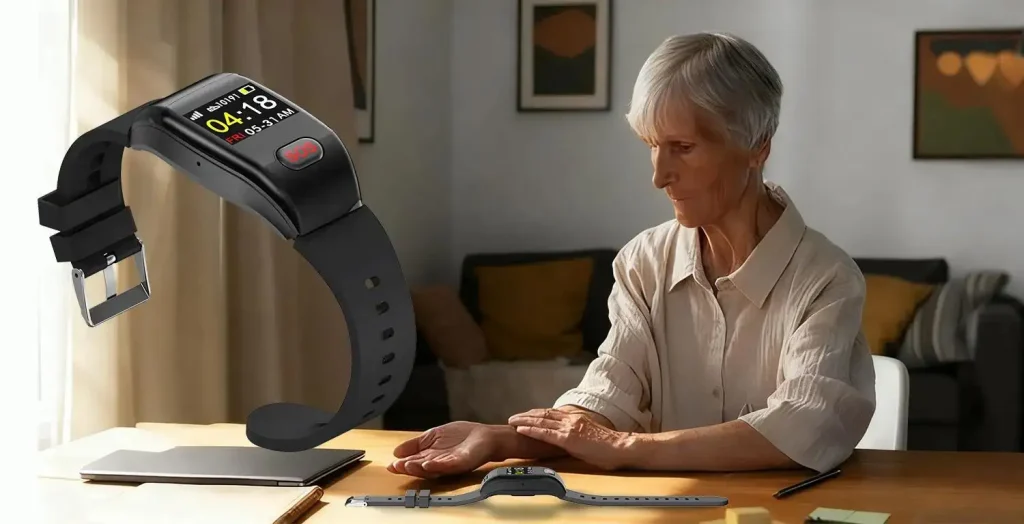
GPS gains value when paired with a response channel. Depending on deployment, this may include an SOS button, two-way calling, or telecare platform integration.
Testing should determine:
• Are wearers able to easily locate the SOS button and press it?
• Is there a balance of accidental SOS button presses to the reliability of pressing the SOS button?
• Are the wearer's alerts clear and informative (alert the person, where the person is, the battery info, and the time)?
• Will escalation contact the next responder if the primary responder does not contact them?
Tracking only the location provides a false sense of security without a response workflow. These critical elements of the device and system must be designed to integrate with one another.
Privacy, Consent, and Data Governance
Location tracking is a sensitive issue. Solutions of GPS tracking for individuals with dementia must have frameworks for consent, lawful authority, dignity, access control, data retention, and incidents.
Key governance questions:
• Is access to real time and past location history limited to authorized users?
• What is the retention period, and is there a balance of privacy and security?
• Is there a provision for service changes without data loss?
• How are access controls updated for lost devices, staff changes, or family updates?
• Is facility-level access managed properly?
Standards vary by country and setting. Involve privacy, clinical, and legal teams before deployment.
What to Test Before Full Deployment
A short pilot provides more insight than any spec sheet. Test with a sample group and capture:
• Daily wear acceptance – will they keep it on?
• Outdoor accuracy and indoor limitations.
• Geofence alert accuracy and false-positive rate.
• SOS delivery and response workflow.
• Battery life under real settings.
• Charging and low-battery handling by caregivers.
• Network coverage in the user's travel areas.
• Integration with existing care-management systems.
• Staff training, family communication, and privacy procedures.
Building a Practical Memory-Care GPS Solution
A GPS device can be a valuable part of a memory-care safety program when it is selected and deployed responsibly. It can help teams receive location-related information and act more quickly after a defined event. It does not eliminate risk, guarantee exact indoor location, or replace direct care.
The Alzheimer's Association recommends considering GPS tracking devices—including GPS watches for dementia, shoe inserts, and other wearables—as one component of a broader safety strategy. The Association also advises educating the person with dementia and their family about the possibility of wandering and getting lost, and how to be prepared.
JiAi Intelligent Technology develops elderly smartwatches, SOS pendants, GPS tracking devices, and telecare equipment for OEM and ODM projects. We support device customization, firmware options, data communication, and integration planning for organizations building elderly-care and safety services.
Final Takeaway
The best GPS tracker for Alzheimer patients is not necessarily the smallest device or the one with the longest advertised battery life. It is the device that people will wear, caregivers can manage, the network can support, and the response team can use confidently.
A well-designed pilot, realistic geofence settings, clear escalation procedures, and strong privacy governance matter more than any single feature. For B2B buyers, the goal is a practical memory care GPS tracker solution that supports safer operations without overstating what technology can do.
Frequently Asked Questions (FAQs)
Q1. What is a geofence?
It's a virtual boundary that can be set around a home, facility, or a neighborhood. An alert can be set up to be received when a user enters or exits the geofenced area.
Q2. Is GPS tracking accurate indoors?
Indoors, the accuracy of GPS tracking devices is limited. GPS tracking devices work outdoors when they have a clear view of the sky but indoors they have to rely on Wi- Fi or Cell towers, and you will receive coverage in a general location.
Q3. How often does the device update location?
This depends on a user's personalized settings, but typically locations are updated every 5-30 minutes, or even on demand. However, the more frequent the updates, the faster the battery drains.
Q4. What happens if the battery dies?
A low battery alert is sent to caregivers prior to the device shutting down. If the device shuts down, the device is shut off and tracking is no longer possible. This is why consistent charging is extremely important.
Q5. Does the device need a cellular plan?
Yes. Most GPS trackers need a SIM card and an active cellular plan in order for the device to relay location information.