
Elderly Smartwatch ODM Firmware Ownership: Who Owns the Firmware in an ODM Project?

2026-06-22
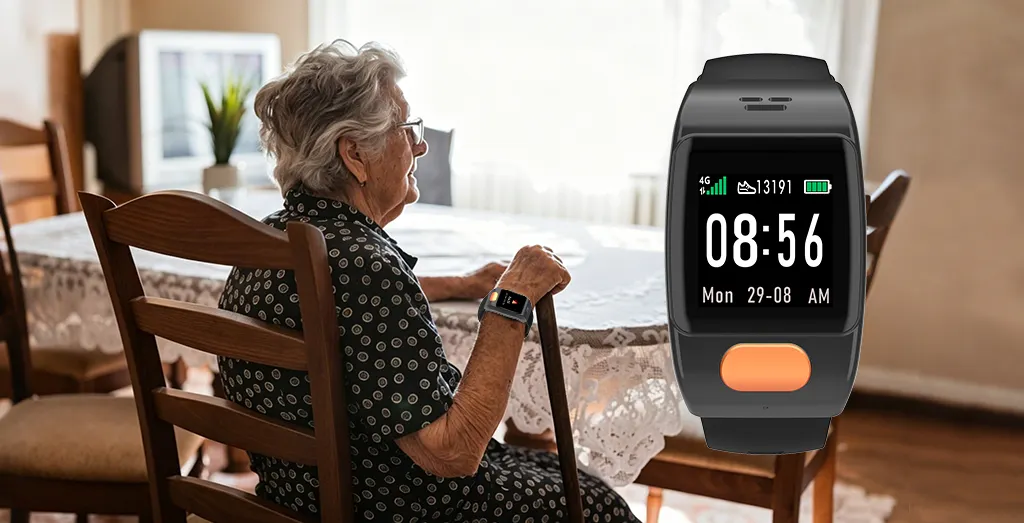
When launching an elderly smartwatch ODM project, most buyers focus on features, price, and lead time. Elderly Smartwatch ODM Firmware Ownership—who actually controls the device software—is rarely discussed until samples arrive or development is half-done. That sequence creates avoidable risk.
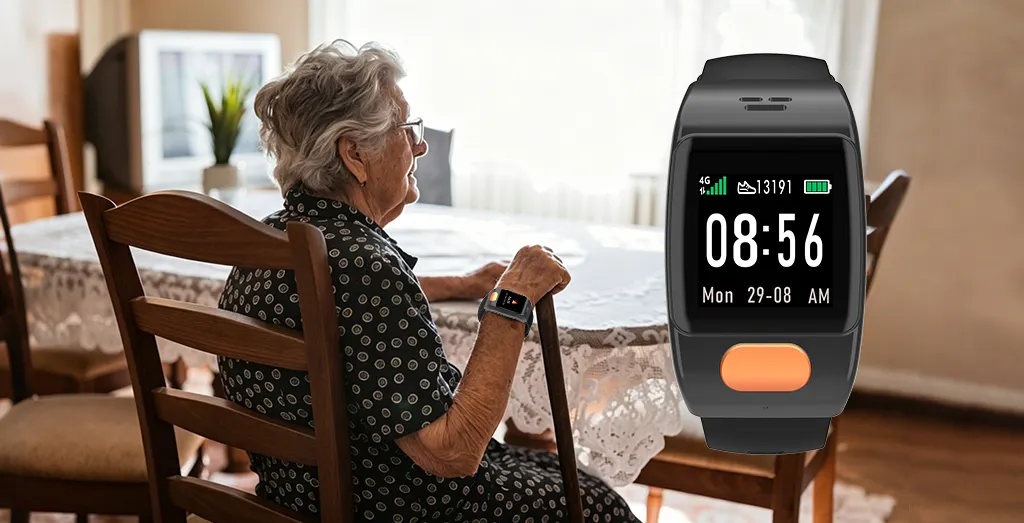
For brand owners, telecare operators, and system integrators, the real question is not "Can you customize?" but "What do we own, what are we licensed to use, and what stays with the manufacturer if we change direction?" Clear smartwatch firmware ownership terms protect future upgrades, supplier switching, app control, and long-term costs. This guide covers what procurement managers must know—before signing.
Why Firmware Ownership Matters in Elderly Care Wearables
An elderly smartwatch is rarely a standalone gadget. It is part of a broader care workflow—sending SOS alerts, GPS locations, fall-detection events, health metrics, and device-status information to caregivers, monitoring centers, or cloud platforms. Over the product lifecycle, the project may require updated alert rules, different network configurations, branded applications, API changes, or private-server deployment.
Without clearly defined ODM firmware rights, a customer may later discover that a customized function cannot be transferred to another factory, the cloud account belongs to the supplier, or firmware maintenance depends entirely on a single engineering team.
�� Key consideration: Firmware is the brain of the device. If you don't know who owns it, you don't know who controls your product's future.
Firmware Ownership Is Not One Single Item
"Firmware ownership" is a convenient phrase, but an ODM project actually contains several distinct assets—each potentially governed by a different ownership model. Understanding these layers is essential to negotiating wearable software IP ownership that protects your business.
Standard Firmware
Definition: The manufacturer's existing technology platform—including drivers, power-management logic, communication modules, OTA mechanisms, standard GPS functions, device security, and validated production software.
Ownership reality: In most ODM projects, this platform remains the manufacturer's intellectual property. The customer typically receives a right to use it in the agreed product, but not an unrestricted right to copy, resell, modify, or transfer it to another factory.
• What to ask: Which components of the firmware comprise the standard platform assets, and what tier of usage rights are associated with such assets?
Tailored Firmware Features
Definition: Specific functions developed for a particular client. This may range from private SOS workflows, geofencing solutions, private alerts, geofencing alerts, private messages, tailored private APNs, tailored data protocols, and custom menus.
Ownership reality: These are project-specific functions. The agreement should state whether you receive exclusive use, a perpetual product-specific license, compiled firmware only, selected source-code modules, or a defined continuity option if production moves elsewhere.
• What to ask: Who owns customer-specific functions after development, and what happens if we change production partners?
Smartwatch Source Code Ownership
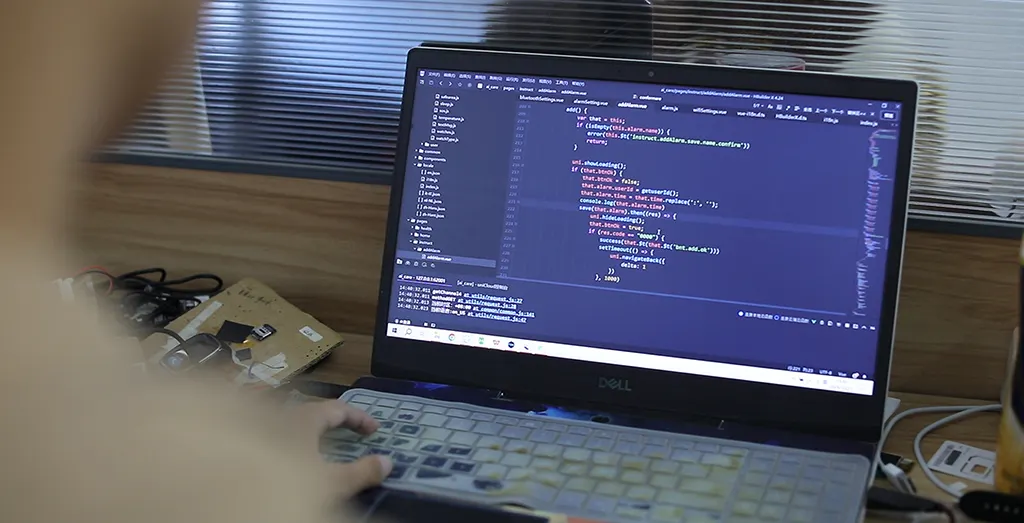
Definition: The actual source code that makes up the device firmware—the most sensitive issue in any smartwatch source code ownership discussion.
Ownership reality: Paying an NRE or development fee does not automatically mean the customer owns every line of code. A practical framework separates software into three layers:
•Manufacturer platform code: Core drivers, reusable architecture, and standard functions. These usually remain with the manufacturer.
•Customer-specific code: Codes/functions which are fully developed at the request of the customer. Licenses, transfers, or other options for such codes/functions are possible.
•Third-party components: Chipset SDKs, licensed libraries, and open-source components. These may be governed by separate terms that restrict how the firmware can be used or distributed.
•What to ask: What does "source code access" actually mean—the whole repository, only custom modules, source-code escrow, or documentation for future maintenance? A phrase like "the customer owns the firmware" is rarely detailed enough.
App Branding, Cloud Accounts, and Data Control
Firmware is only one part of an elderly wearable solution. App branding, cloud accounts, API access, and data control may be equally important—and often overlooked until it's too late.
1. App Branding and Mobile Application Rights
• Ownership reality: For a white-label program, the customer typically needs its own branded app. The agreement should specify the owner of the brand assets, the owner of the Apple App Store/ Google Play account, and if the customer can still use the application if the commercial agreement ceases.
• What to ask: who owns the branded app account, and what will happen to the app if we change vendors?
2. Cloud Platform Accounts and Private Server Deployment
Definition: The cloud infrastructure that handles device binding, location history, health information, alerts, user accounts, and configuration.
Ownership reality: This is where many buyers get trapped. Critical questions include:
•Is the cloud account owned by the customer or the supplier?
•Can device and user data be exported?
•Is private-server deployment available?
•Who will safeguard the platform, and how often will protective updates be installed?
•What will happen to your account and project data once the project is no longer active?
•What to ask: Who has control over the cloud account and device data? Is there an option for private-server deployment?
3. API Documentation and Rights to Integration
Definition: This refers to the documentation that supports integration with telecare platforms or healthcare dashboards and central stations.
Ownership reality: API documentation is a product of commerce, not a technology afterthought. Customers require advance knowledge of the data granularity with regard to device control and the update philosophy.
• What to ask: What API documentation and integration support are you going to offer and how will you handle API versioning?
Hardware Files, Tools, and Molds
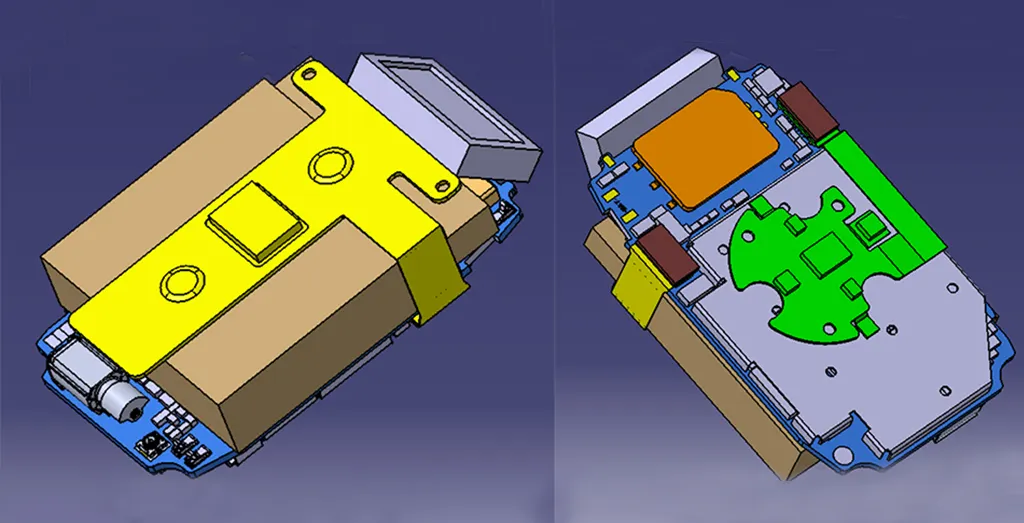
While discussing the hardware instruments for wearables, tool and mold rights should also be addressed along with the hardware/software IP of the wearables. An ODM project typically involves PCB design files, mechanical drawings, custom housings, antennas, charging accessories, test fixtures, and injection molds.
•Ownership reality: Where a customer funds a new mold, the agreement should identify the owner, storage responsibility, maintenance terms, authorized use, and transfer conditions. The same principle applies to custom PCB files and manufacturing documents. These details become critical when a project expands, introduces a new generation, or changes production partners.
•What to ask: Who owns custom hardware files, tooling, molds, and test fixtures?
Ten Questions to Confirm Before Development
Request written answers to these ten questions before approving a quotation. They will protect your smartwatch firmware ownership and prevent surprises.
- Which firmware parts are standard platform assets versus our specific customisations?
- Deliverables format—compiled code, source code, or a license?
- Who owns custom-developed functions after completion?
- What continuity solutions exist if we terminate the supplier relationship?
- Who ultimately controls the branded app account, cloud account, and device data?
- Is private-server deployment available, and what does it include?
- What API documentation and integration support will you provide, and how are versions handled?
- Who owns custom hardware files, molds, and test fixtures if we funded them?
- What bug-fix, OTA, and future upgrade support is included in the base price?
- Which components are subject to third-party license restrictions?
A Balanced Model for Long-Term Cooperation
Full source-code transfer is not always necessary—or wise. A balanced approach works better: the manufacturer retains reusable platform technology, while the customer secures clear rights to branding, data, custom deliverables, and agreed continuity options. At JiAi Intelligent Technology, we support elderly smartwatch ODM projects from logo/firmware customisation to private-server deployment and new tooling. Our practice emphasises transparency on ODM firmware rights, documented custom firmware ownership, and practical agreements that let both sides focus on reliable, scalable elderly care solutions.
Final Takeaway
Elderly Smartwatch ODM Firmware Ownership must be settled before development starts—not during testing or mass production. Clear definitions for standard firmware, custom features, source-code access, app accounts, cloud control, API rights, data ownership, hardware files, and tooling protect both buyer and manufacturer. The goal is a practical roadmap for upgrades, stability, and responsible ownership. Since smartwatch firmware ownership terms depend on project scope, jurisdiction, and third-party licences, always confirm them in writing with appropriate legal advice.
Frequently Asked Questions
Q1: Who has the rights to the standard firmware of an ODM project?
A: The standard firmware is usually the property of the manufacturer, and the customer is granted a license to use it in the agreed product.
Q2: Do I fully own the source code if I pay development costs?
A: Not necessarily. Source code ownership should be explicitly stated, as NRE typically covers the custom design with no IP transfer.
Q3: What happens to custom firmware features if I change manufacturers?
A: It is contract dependent. Custom features may be lost if there is no continuity clause, and they may not be implemented at a different factory.
Q4: Who owns the cloud infrastructure and the end user data?
A: Ideally, the customer does. Having clear contracts is a must in order to retain ownership.
Q5: Who owns the app account in the stores of an ODM project?
A: The customer should own the app accounts in the stores as well as the brand assets. Having a clear contract in this regard is a must to avoid losing access in the future.