
Elderly Smartwatch Device Provisioning: How to Configure and Onboard Devices at Scale

2026-09-22

Receiving 3,000 customized elderly smartwatches is only the beginning of a large B2B telecare deployment.
Before these devices can enter service, each smartwatch may require the correct network parameters, server address, firmware version, unique device identity, platform registration and user assignment. When these tasks are handled manually, deployment can quickly become slow, inconsistent and difficult to scale.
This is why Elderly Smartwatch Device Provisioning should be planned before mass production.
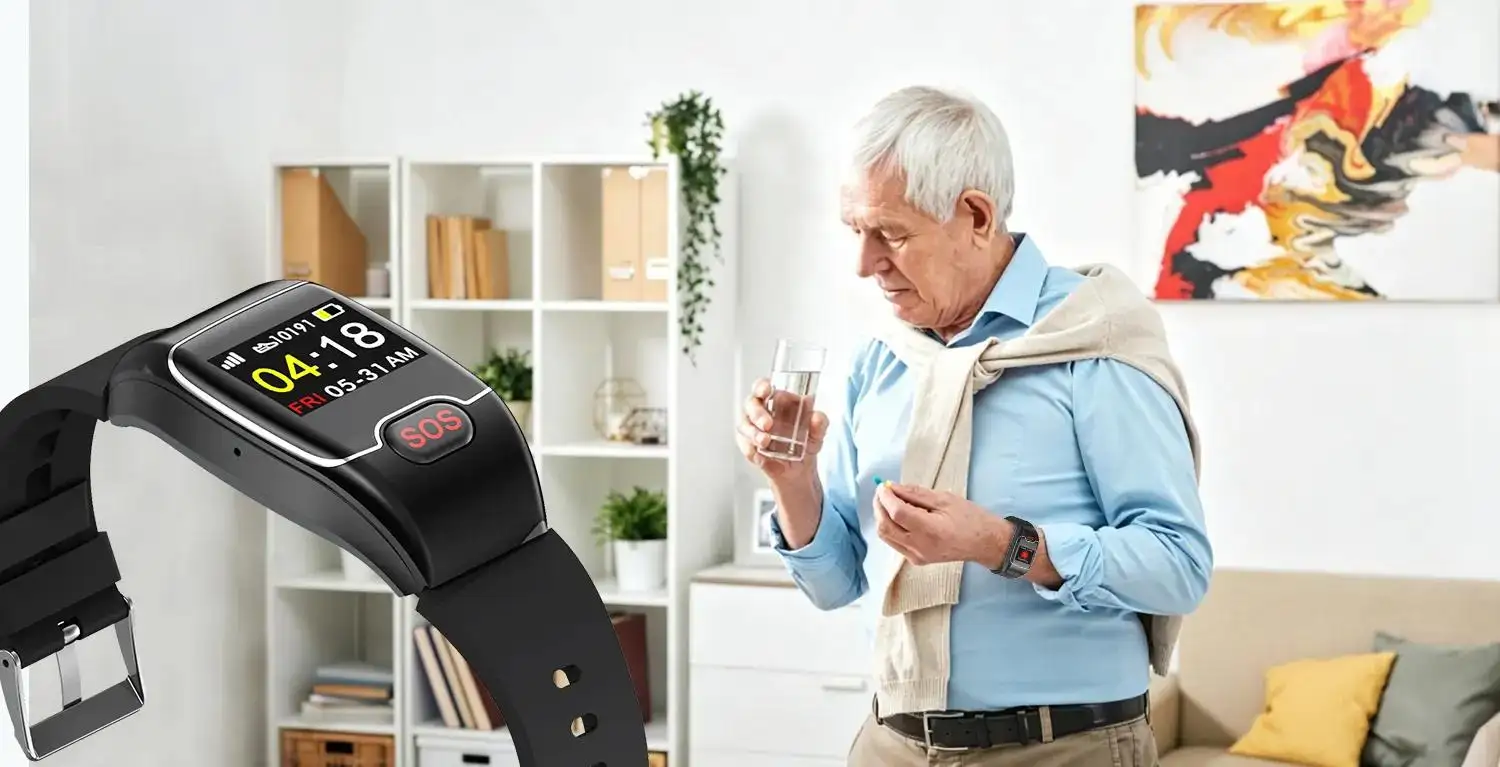
For telecare providers, elderly-care organizations, healthcare technology companies and system integrators, a structured smartwatch device provisioning process connects manufacturing with device activation, onboarding and long-term smartwatch device management.
What Is Elderly Smartwatch Device Provisioning?
Elderly Smartwatch Device Provisioning is the process of preparing, configuring, registering and activating an elderly smartwatch so that it can securely connect to the intended cellular network, cloud platform or private server.
A typical IoT device provisioning workflow may include:
• IMEI, serial number or device ID registration
• SIM and APN configuration
• Network and roaming settings
• Server IP, domain and port configuration
• Firmware installation
• Project-specific device parameters
• Platform registration
• User-device binding
• Device activation
• Connectivity verification
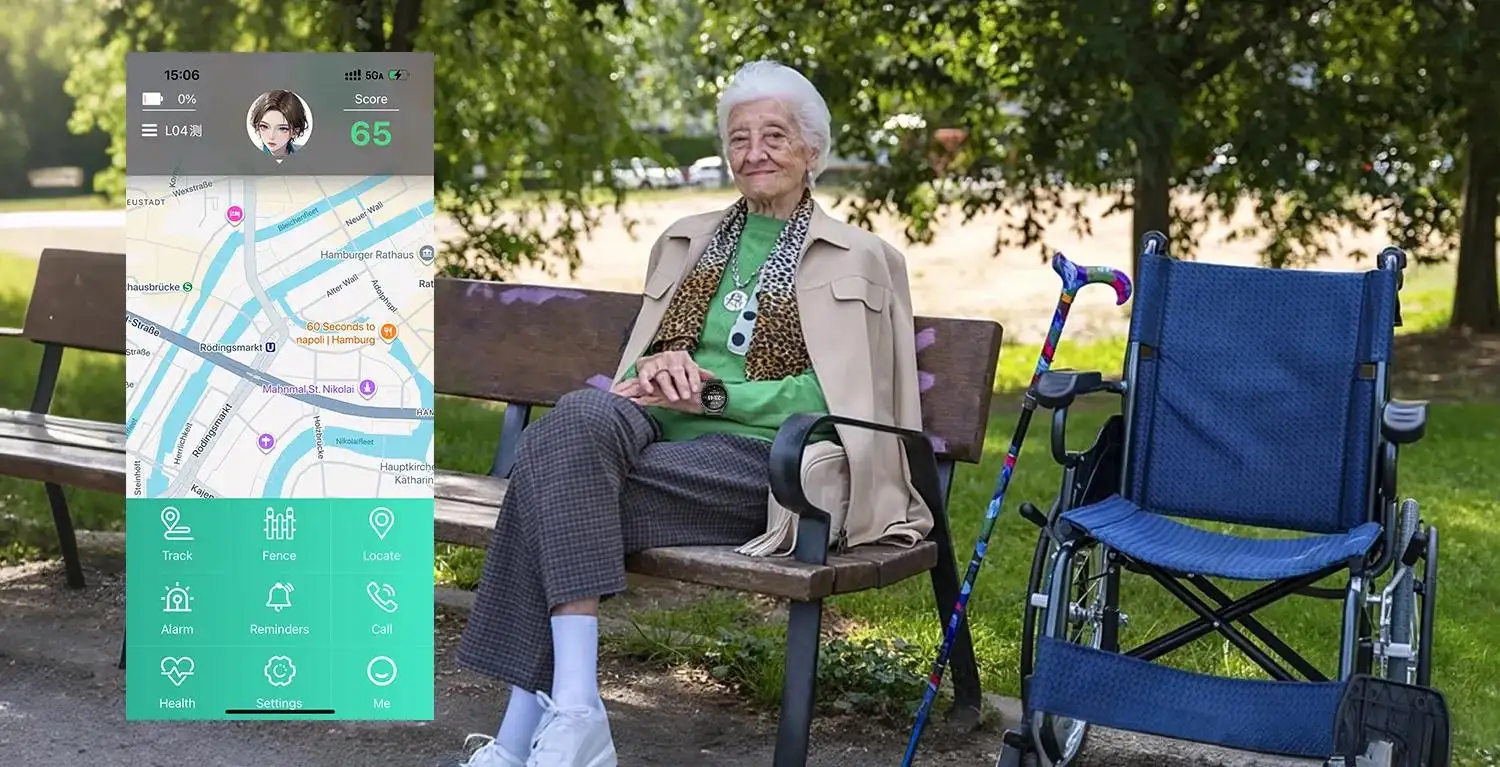
Consumer smartwatches often rely on smartphone pairing. A telecare smartwatch, however, may need to communicate directly with monitoring centers, caregiver platforms, APIs and private servers. This makes structured device provisioning especially important in elderly-care projects.
Why Smartwatch Device Provisioning Matters at Scale
Configuring 10 test units manually may be manageable. Configuring 5,000 or 20,000 devices is very different.
Poorly designed provisioning can result in:
• Incorrect APN or network parameters
• Devices connecting to the wrong server
• Incompatible firmware versions
• Failed GPS, SOS or health-data reporting
• Duplicate or incorrect device IDs
• Incorrect user binding
• Devices appearing offline
• Delayed deployment after shipment
A scalable Elderly Smartwatch Device Provisioning workflow reduces repetitive manual work and makes large wearable deployments easier to control.
| Provisioning Stage | Typical Data | Main Objective |
| Device Identity | IMEI, SN, MAC, Device ID | Uniquely identify each smartwatch |
| Network | SIM, APN, roaming | Establish cellular connectivity |
| Server | Domain, IP, port, protocol | Connect the device to the backend |
| Onboarding | Organization, account, status | Register devices on the platform |
| Activation | User binding, service profile | Put devices into operational use |
| Lifecycle | OTA, reset, reassignment | Support long-term device management |
Stage 1: Establish a Reliable Device Identity
Every connected elderly smartwatch requires a unique and traceable identity.
Common identifiers include IMEI, serial number, MAC address, device ID, SIM ICCID and customer-specific asset numbers.
For high-volume smartwatch device provisioning, these identifiers should be generated, recorded and exchanged systematically. Manual entry should be minimized because it increases the risk of mismatched or duplicated records.
Before production begins, the manufacturer and customer should define how device lists will be exported, imported and synchronized with the customer's telecare platform.
Stage 2: Configure Cellular and Network Parameters
Cellular connectivity is a critical part of IoT device provisioning.
Depending on the project, configuration may include:
• SIM profile
• APN
• Preferred cellular network
• Roaming rules
• Regional frequency compatibility
• Regional firmware
Network validation should also take place in the target deployment country.
An elderly smartwatch that works correctly during factory testing may behave differently when connected to carriers in Europe, North America, Australia or Latin America. Local pilot testing is therefore an important part of device provisioning before a large commercial rollout.
Stage 3: Configure the Backend Server
A telecare smartwatch may send GPS location, SOS alarms, health information and device-status data to a designated backend server.
Provisioning may therefore require:
• Server IP or domain
• Port
• Communication protocol
• Authentication parameters
• Data reporting intervals
• Event-reporting rules
When customers operate private servers, Elderly Smartwatch Device Provisioning becomes closely connected with API and communication-protocol integration.
The smartwatch firmware and backend system must use compatible message formats, authentication rules and data-reporting logic before reliable communication is possible.
Stage 4: Platform Registration and User Onboarding
Connectivity alone does not make a smartwatch operational.
The device usually also needs to be registered within the customer's software environment.
For an elderly-care project, the relationship may be:
Elderly Smartwatch → Senior User → Caregiver → Care Organization → Monitoring Center
Effective device provisioning should match this operational structure.
The platform may need to store the device ID, activation status, organization, user profile, emergency contacts and service configuration. Automating these relationships can significantly reduce manual onboarding work.
Stage 5: Device Activation and User Binding
Not all devices can be activated and bound to users at the same time.
For example, a telecare provider may purchase 5,000 pre-configured smartwatches, but may only activate 1,000 of them. The remaining 4,000 smartwatches may remain in stock until more customers (the elderly) sign up for the service.
A scalable activation workflow should support:
• Assigning an available smartwatch
• Binding the smartwatch to a user
• Updating caregiver and emergency contacts
• Activating service parameters
• Unbinding returned devices
• Controlled or factory reset
• Reassigning devices to new users
These functions should be considered part of long-term smartwatch device management, not simply one-time setup tasks.
Factory Provisioning vs. Field Provisioning
A Smart approach to Designing Elderly Smartwatches Enables Settings to be Finalized during Manufacturing.
Factory Provisioning
During the manufacturing process settings such as:
• Firmware versions
• Devices IMEI and IDs
• Default server settings
• APN and network profiles
• Project firmware
• Tests and records from final assembly and integration
Field Provisioning
Depends on the customer and may include settings such as:
• Personal information of elderly users
• Caregiver contacts
• Customer service and support contacts
• Numbers dialed for emergency by the user
• User defined service and support limits
By separating settings as described above, final configuration settings can be deferred to the time of deployment and customer warehouses need not configure settings for various users.
Remote Device Provisioning for Large Fleets
For large or geographically distributed deployments, remote device provisioning can significantly reduce manual configuration.
When supported by the firmware and management platform, authorized operators may remotely update selected settings, activate devices or adjust service parameters.
Remote provisioning can be useful when:
• Devices are deployed across multiple regions
• Server settings change
• Network parameters require adjustment
• Devices move between service groups
• Smartwatches are reassigned to new users
For elderly-care deployments, remote device provisioning should also include appropriate authentication, access control and configuration records.

Provisioning and Smartwatch Device Management
Elderly Smartwatch Device Provisioning is only one stage of the complete device lifecycle.
A scalable smartwatch device management system may also support:
• Firmware version tracking
• Device grouping
• Staged OTA updates
• Customer-specific firmware versions
• Remote diagnostics
• Configuration history
• Device reset
• User reassignment
These capabilities are especially important for OEM/ODM projects where different customers may use different firmware, servers, APNs or service configurations.
Elderly Smartwatch Device Provisioning for OEM/ODM Projects
OEM and ODM elderly smartwatch projects often require more than standard hardware customization.
Requirements may include:
• Customized firmware
• Private server deployment
• Customer-defined communication protocols
• Customized applications
• Private cloud connectivity
• Custom device parameters
• IoT device provisioning
• Remote device provisioning
• API integration
• OTA and smartwatch device management
JiAi Intelligent Technology provides B2B elderly smartwatches, screenless wearable bands, GPS safety devices and other telecare products.
Our capabilities cover hardware development, firmware, applications, device communication, API integration, private-server connectivity, OTA and remote device provisioning. For customers operating their own platforms, provisioning can be evaluated together with TCP/IP communication, APIs and long-term device-management requirements.
Plan Device Provisioning Before Mass Production
Elderly Smartwatch Device Provisioning should not be treated as an after-production configuration task.
Large deployments should define device identities, cellular settings, server parameters, platform onboarding, activation workflows, remote configuration, OTA updates and smartwatch device management before manufacturing begins.
A well-designed lifecycle may look like this:
Manufacturing → Device Configuration → Device Provisioning → Activation → Deployment → Remote Management → Reassignment
Designing this workflow early can help B2B buyers reduce manual operations, accelerate rollout and manage thousands of elderly smartwatches more efficiently.
FAQs
Q1. Does JiAi support Elderly Smartwatch Device Provisioning for bulk orders?
Yes. JiAi supports Elderly Smartwatch Device Provisioning for B2B and OEM/ODM projects. Depending on project requirements, support may include device identification, firmware configuration, network parameters, server settings and other project-specific configurations.
Q2. Can elderly smartwatches be pre-configured before shipment?
Yes. Selected device provisioning tasks can be completed at the factory level, including firmware, device IDs, APN settings, server parameters and predefined project configurations. This can reduce manual configuration after shipment.
Q3. Does JiAi support private server integration?
Yes. JiAi can evaluate communication between an elderly smartwatch and a customer-owned server, including server IP or domain configuration, ports, communication protocols, authentication and data-transmission requirements.
Q4. Can JiAi integrate smartwatch APIs?
Yes. Depending on the project architecture, integration can involve REST APIs, HTTP, TCP/IP or customized communication protocols for device data, GPS information, SOS alerts, device status and other functions.
Q5. Does JiAi support remote device provisioning?
Yes, when the device firmware and management platform are designed to support it. Remote device provisioning may include remote parameter updates, server adjustments, device activation and selected configuration changes for deployed smartwatch fleets.