
Elderly Care Wearable Technology: A B2B Guide to Smartwatches, GPS and Telecare Devices

2026-09-22
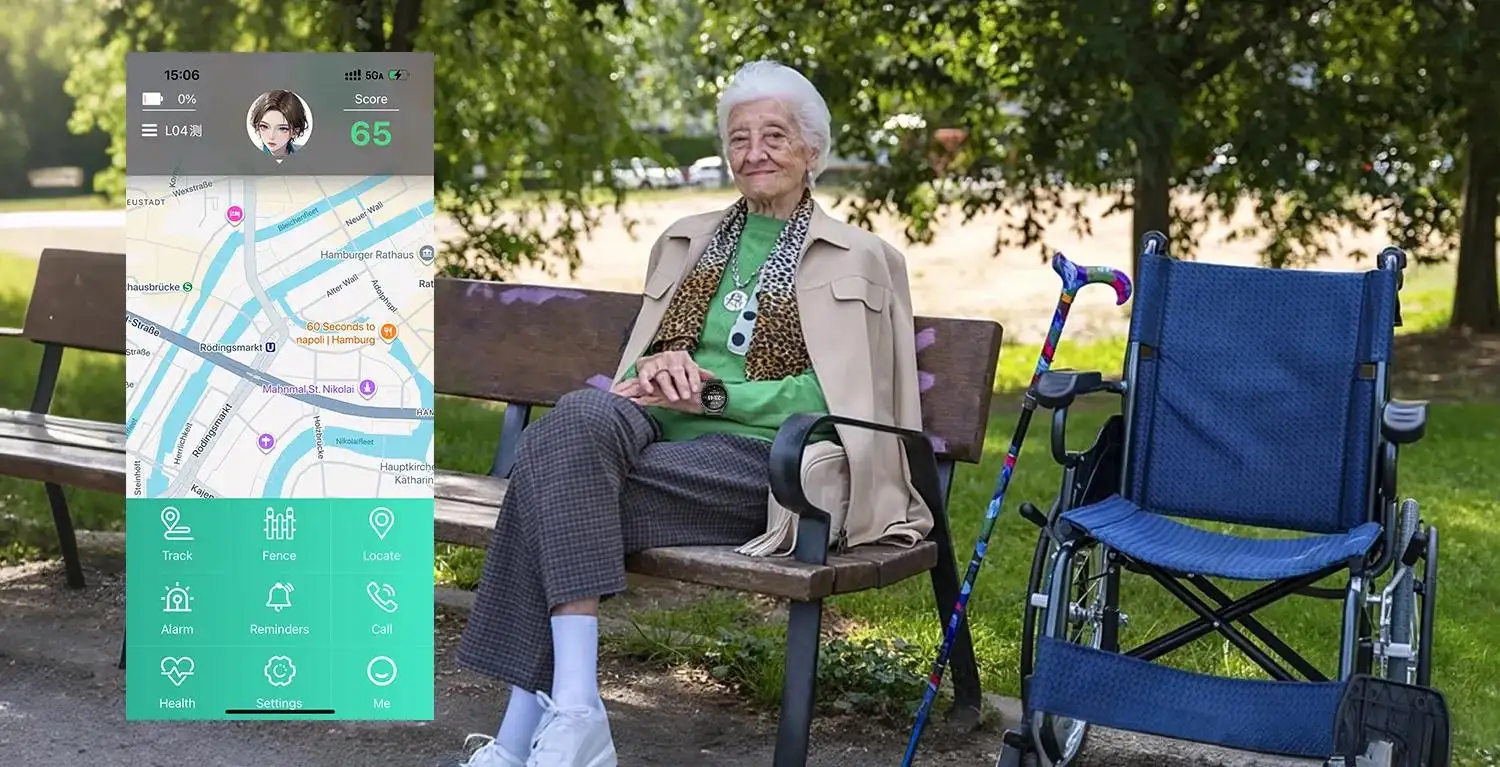
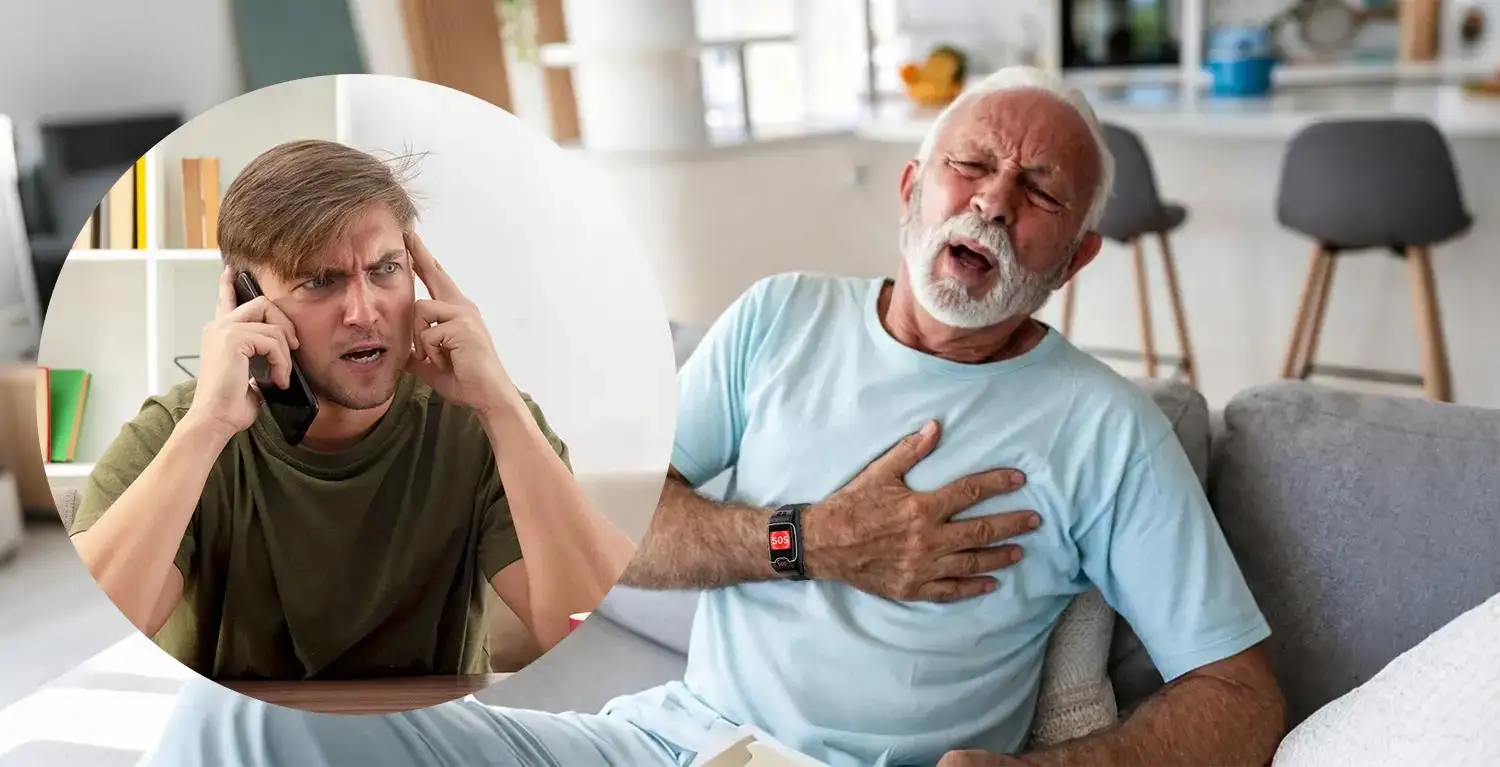
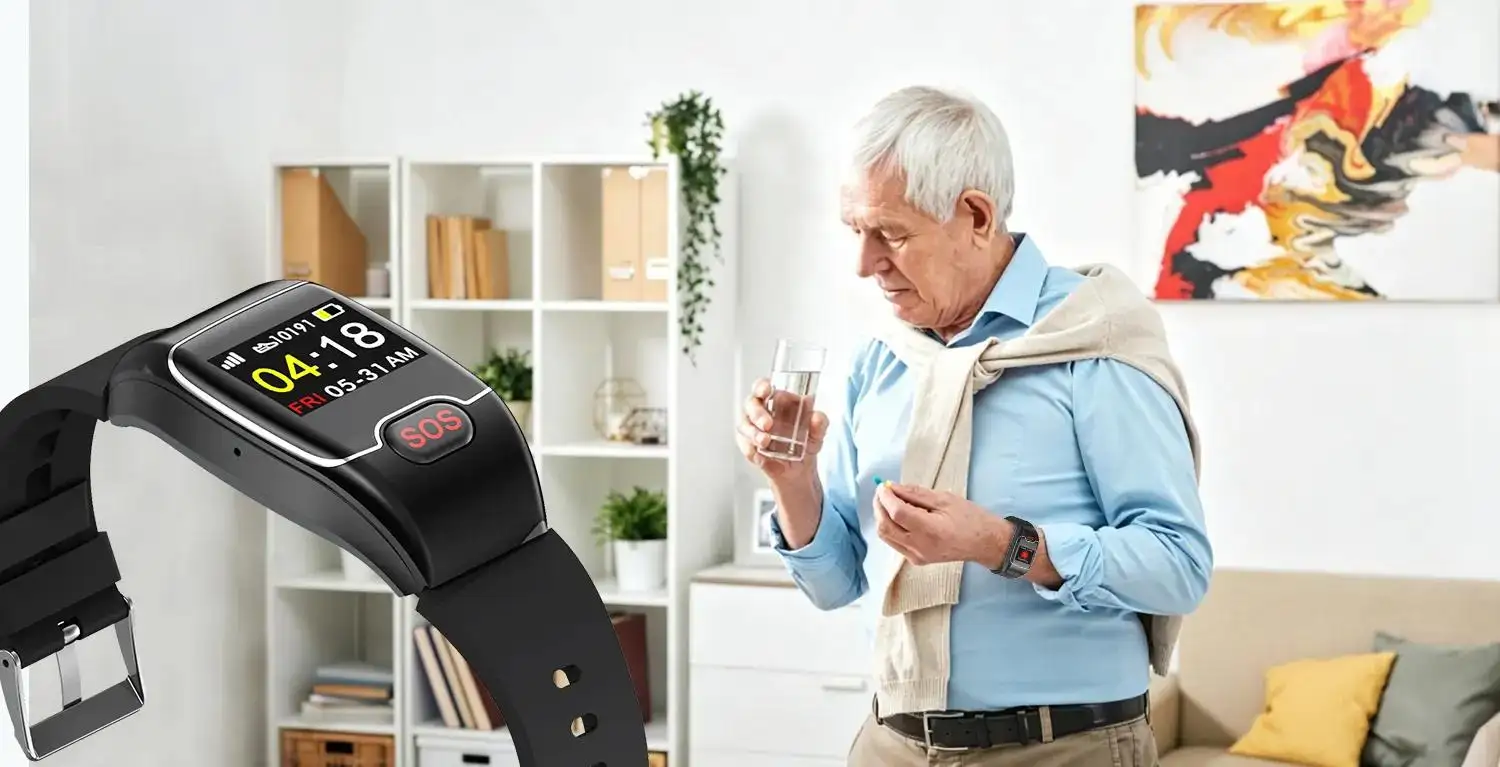
The market for Elderly Care Wearable Technology is moving well beyond the traditional emergency button. Modern elderly care wearables can combine GPS positioning, cellular communication, SOS alerts, activity tracking, health-related sensors and cloud connectivity in one wearable device.
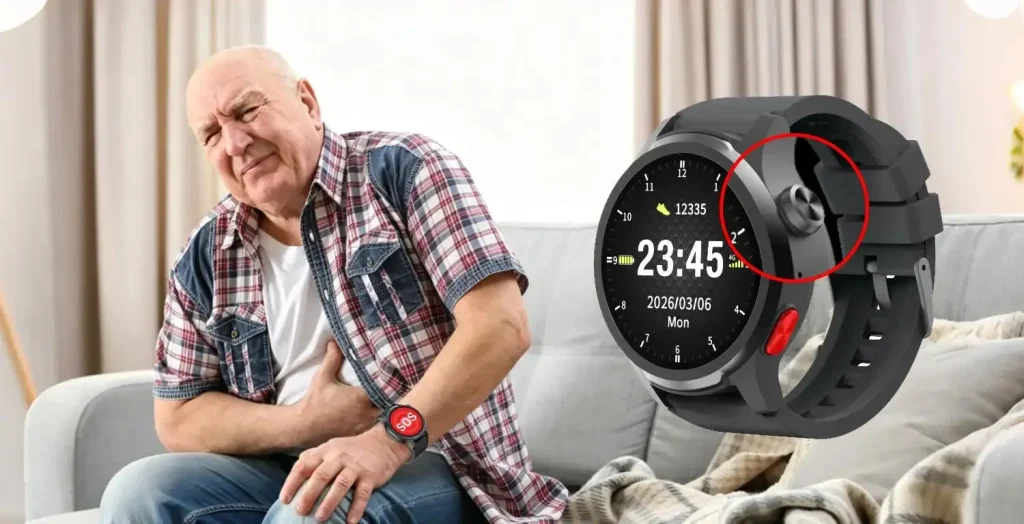
However, adding more functions does not automatically create a better elderly care solution.
For telecare providers, elderly care organizations, healthcare technology companies and OEM/ODM buyers, selecting the right wearable technology for seniors requires balancing:
• Ease of use
• Battery life
• Wearing comfort
• GPS and cellular connectivity
• Safety functions
• Health monitoring
• Platform integration
• Remote device management
The correct architecture depends on the user group, care environment and service workflow.
What Is Elderly Care Wearable Technology?
Elderly Care Wearable Technology refers to connected devices designed to improve senior safety, location awareness, communication and daily monitoring.
Typical elderly care wearables include:
• Elderly smartwatches
• Screenless wristbands
• Elderly GPS tracker devices
• SOS pendants
• Personal alarm wearables
• Health-monitoring bands
• Telecare wearable devices
Although these elderly monitoring devices may use similar hardware technologies, their application requirements can differ significantly.
Elderly Smartwatch vs. Screenless Wearable
Product format is one of the first decisions in an elderly care technology project.
| Device Type | Typical Strength | Suitable Scenario |
| Elderly smartwatch | Screen, GPS, calling, multiple sensors | Active seniors and interactive care services |
| Screenless wristband | Simple interface, discreet design | Users requiring minimal interaction |
| GPS tracker | Location-focused operation | Outdoor safety and wandering management |
| SOS wearable | Fast emergency activation | Personal alarm and telecare services |
Elderly Smartwatch
An elderly smartwatch can support a broader range of functions, including:
• SOS emergency calling
• GPS location
• Two-way voice communication
• Heart rate monitoring
• SpO2 measurement
• Step counting
• Reminders
• Geofencing
• Fall detection
• Caregiver communication
These senior safety wearables could be convenient for users who are accustomed to using screens.
Screenless Elderly Care Wearables
Some senior users may prefer wearables with a reduced number of interactions.
A screenless wearable can include the following features:
• Auto monitoring
• SOS alert
• Location reporting
• Fall detection
• Background communication to a telecare platform
Simplifying the architecture in this way can retain important safety features while reducing unnecessary complexity in the interface for telecare providers.
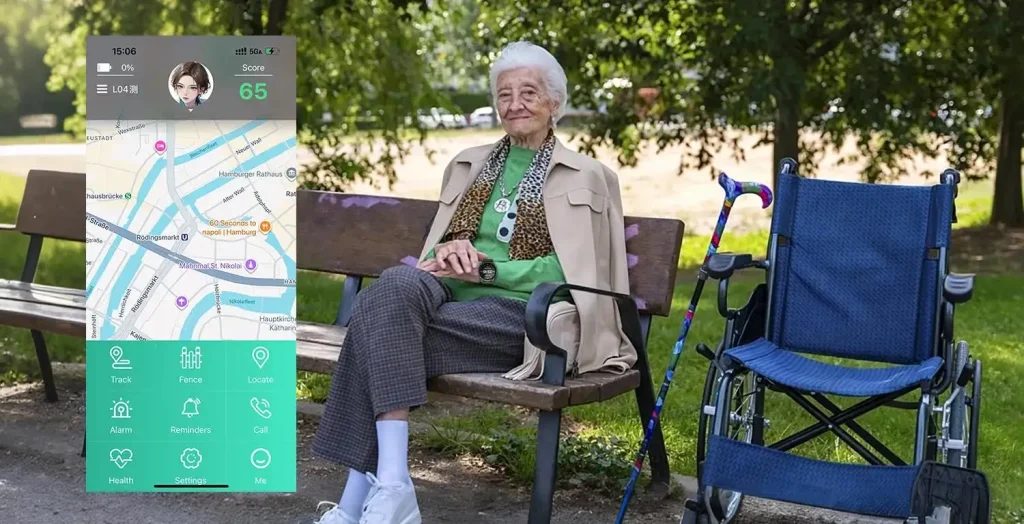
GPS and Location Technology
Location capability is a key feature of many elderly monitoring devices.
An elderly GPS tracker or GPS-enabled smartwatch may combine several positioning technologies:
• GPS/GNSS
• Wi-Fi positioning
• Cellular/LBS positioning
• Bluetooth
• Indoor beacon positioning
GPS is effective for outdoor positioning but normally consumes more power and performs less effectively indoors. In nursing homes or assisted-living facilities, Bluetooth or beacon-based positioning may complement outdoor GPS.
B2B buyers should therefore define where the wearable will operate before selecting its positioning architecture.
4G Cellular Connectivity
Many telecare wearable devices need to operate independently without relying on the user's smartphone.
4G connectivity can support:
• SOS alert transmission
• GPS location uploads
• Two-way voice calls
• Device status reporting
• Sensor data transmission
• Remote configuration
For international deployments, regional frequency bands, SIM cards, operators, APN settings and roaming requirements should be validated before mass rollout.
Network testing in the actual deployment country is particularly important for Elderly Care Wearable Technology projects.
Wearable Health Monitoring
Wearable health monitoring is increasingly integrated into wearable technology for seniors.
Depending on the device architecture, sensors may monitor:
• Heart rate
• Blood oxygen
• Steps
• Activity
• Temperature-related data
• Other wellness indicators
However, buyers should distinguish between general wellness monitoring and regulated medical functions.
A device containing health sensors should not automatically be treated as a medical diagnostic device. If medical-grade measurements or clinical applications are required, regulatory, accuracy and validation requirements may be considerably more demanding.
For many telecare applications, wearable sensor data serves as supplementary information within the overall care workflow.
Fall Detection Wearable Technology
A fall detection wearable typically uses accelerometers, gyroscopes and software algorithms to identify motion patterns associated with possible falls.
Fall detection should not be evaluated only by whether the feature exists.
Important evaluation criteria include:
• Detection sensitivity
• False-alarm rate
• Missed-event rate
• User activity patterns
• Wearing position
• Algorithm configuration
• Alert escalation workflow
A detected fall has limited value unless the event is reliably transmitted to the caregiver, monitoring center or telecare platform.
SOS and Two-Way Communication
SOS remains one of the most important functions in many senior safety wearables.
Depending on the system architecture, pressing an SOS button may trigger:
• Caregiver app notification
• Telecare platform alarm
• Monitoring-center alert
• SMS
• Voice call
• GPS location transmission
Some elderly care wearables also include microphones and speakers for two-way communication.
The correct configuration should match the customer's emergency response workflow.
Battery Life Is a System-Level Requirement
Battery runtime depends on more than battery capacity.
| Power Consumption Factor | Typical Impact |
| GPS update frequency | Higher frequency increases power use |
| Cellular signal quality | Weak signals can increase consumption |
| Data upload interval | Frequent reporting reduces runtime |
| Health sensor interval | Continuous monitoring requires more power |
| Screen usage | Important factor for an elderly smartwatch |
| Voice calling | High short-term power demand |
| Wi-Fi scanning | Adds background consumption |
For this reason, battery testing should use the intended firmware configuration, network environment and reporting intervals.
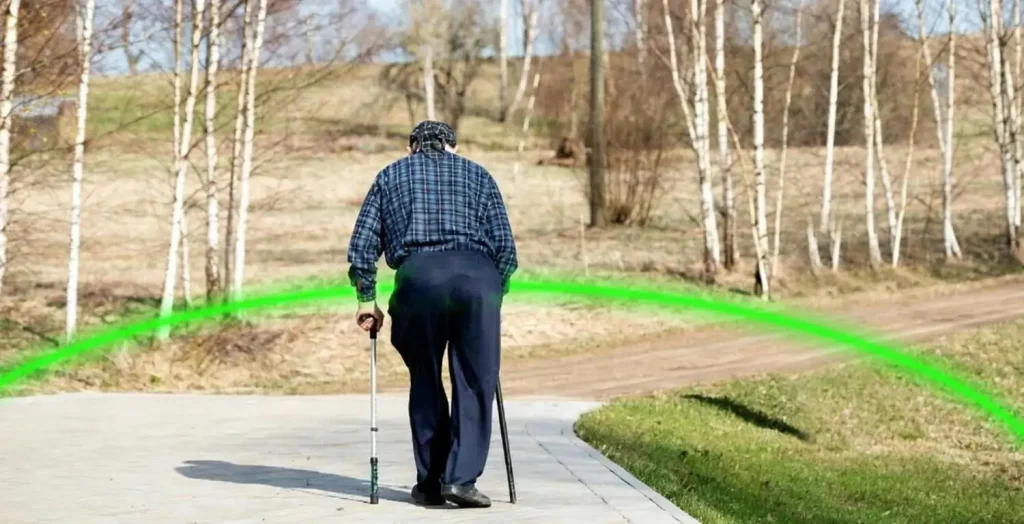
Telecare Platform and API Integration
The wearable is only one layer of an elderly care technology system.
Device data may need to connect with:
• Caregiver applications
• Monitoring centers
• Telecare platforms
• Nursing-home systems
• Healthcare platforms
• Private customer servers
JiAi supports project discussions involving REST API, HTTP, TCP/IP and private-server communication according to product and customization requirements.
This allows Elderly Care Wearable Technology to become part of a wider service ecosystem rather than operating as isolated hardware.
Remote Management and OTA
Managing hundreds or thousands of elderly monitoring devices requires remote visibility.
Operators may need to monitor:
• Battery level
• Connectivity status
• Firmware version
• Last communication time
• Device configuration
• Operational status
OTA firmware capability can also support maintenance after deployment, especially for telecare providers managing devices across multiple homes, facilities or regions.
OEM/ODM Elderly Care Wearable Development
Different projects require different device architectures.
JiAi develops and manufactures elderly smartwatches, elderly GPS trackers, screenless wristbands, senior safety wearables and telecare wearable devices for B2B customers.
OEM customization may include:
• Branding and packaging
• User interface
• Mobile applications
• Server configuration
For deeper ODM projects, development may extend to PCB hardware, firmware, mechanical structure, communication protocols, applications and cloud platforms.
The objective is not to maximize the feature list, but to build Elderly Care Wearable Technology around the actual user, care workflow and deployment environment.
Choosing the Right Elderly Care Wearable Technology
A successful project should begin with practical questions: Who wears the device? Where is it used? Which events must be detected? Who receives the alert? How is the device connected? How will it be managed after deployment?
These answers should guide decisions about the product format, fall detection wearable functions, GPS, cellular connectivity, SOS, wearable health monitoring, battery performance, API integration and remote management.
As elderly care becomes increasingly connected, successful Elderly Care Wearable Technology will depend not only on the wearable hardware but also on how effectively it integrates with telecare platforms, monitoring workflows and long-term device management.
For OEM/ODM buyers, working with a manufacturer such as JiAi that combines hardware, firmware and system-integration capabilities can help turn these requirements into a scalable commercial elderly care solution.
FAQs
Q1. What types of wearables for elderly care does JiAi Intelligent Technology offer?
JiAi Intelligent Technology offers a range of products for elderly care. This includes smartwatches, screenless wristbands, GPS trackers, safety wearables, and telecare wearable devices for their B2B clients. It is possible to choose different products within the range to match different elderly care and telecare applications.
Q2. Does JiAi do OEM/ODM for elderly care wearables?
JiAi offers both OEM and ODM elderly care wearables. For OEM, they can do customization on the branding and packaging of the device, its user interface, appearance, and the software app and chosen server customization. The OEM options will vary depending on the product and the volume of the project.
Q3. Is ODM for elderly care wearables possible?
Yes. This is for more extensive ODM/customization projects. This will cover PCB and wearable technology hardware, firmware, and software development of the mobile and cloud-based integration.
Q4. Do smartwatches from JiAi support GPS tracking?
GPS/GNSS positioning is supported by certain JiAi smartwatches and GPS trackers. Some products can use other positioning methods like cellular/LBS, Wi‑Fi, or Bluetooth.
Q5. Can JiAi products detect falls?
Some safety wearables from JiAi can support motion fall detection. For B2B, the fall detection performance will depend on the wearing position, the user's activity, and the configuration of the required alarm.