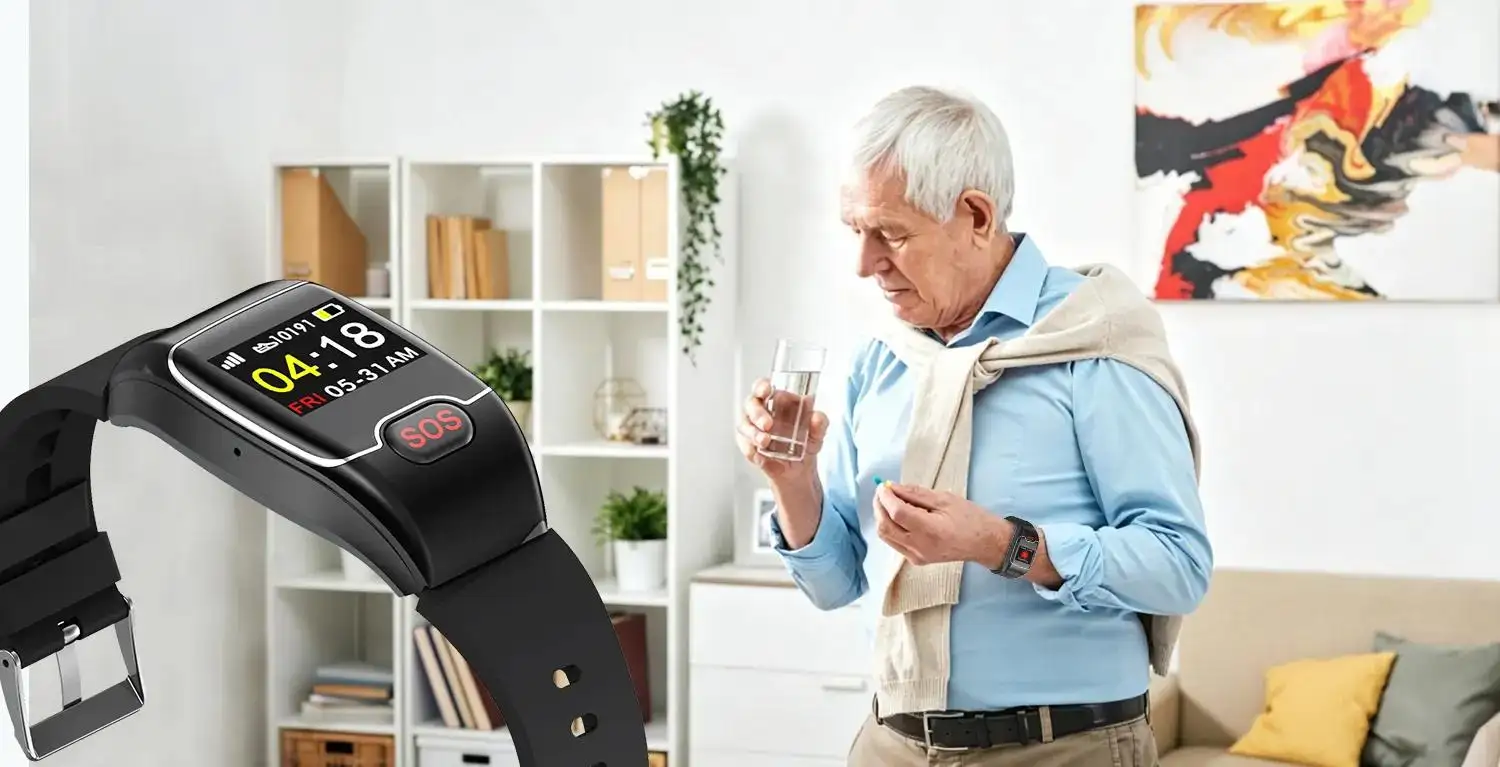

Can Smartwatches With Two-Way Calling Really Give You Direct Communication on Your Wrist?

2026-02-09

Smartwatches have rapidly evolved from simple notification devices to powerful wearable computers. Among the most compelling advancements in recent years is two-way calling — the ability to make and receive calls directly on your wrist without needing to pull out your phone. But how well does this technology work in real life? Is it truly practical, or just a convenience gimmick? In this guide, we’ll explore how two-way calling works on smartwatches, the technologies involved, real-world benefits and limitations, and tips for choosing a smartwatch that supports reliable wrist-based communication.
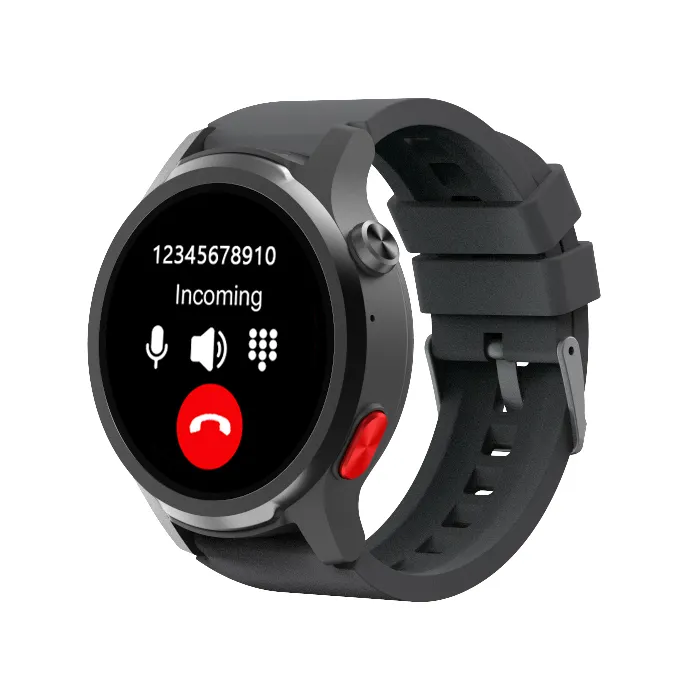
What Is Two-Way Calling on a Smartwatch?
Two-way calling refers to the ability of a smartwatch to send and receive voice calls independently or in conjunction with a paired smartphone. Unlike traditional smartwatches that rely on your phone to handle calls, two-way calling lets you talk directly through the smartwatch’s built-in microphone and speaker.
There are generally two ways this feature works:
Bluetooth Calling – The smartwatch must be connected to a smartphone via Bluetooth. Calls are routed through the phone, but you speak and listen through the watch.
Standalone Calling (LTE / Cellular) – The smartwatch uses its own cellular connection (with a separate SIM or eSIM) to make and receive calls independently of a nearby phone.
Both methods deliver two-way voice communication, but the experience and flexibility differ significantly.
How Two-Way Calling Works Technically
To understand what makes two-way communication possible on a smartwatch, it helps to break down the key technologies involved.
1. Microphone and Speaker Hardware
Traditional fitness-focused smartwatches may lack the audio hardware required for calling. Two-way calling models include:
Built-in Microphones — To capture your voice clearly.
Integrated Speakers — So incoming voice audio is audible without headphones.
Noise Suppression Technology — Helps reduce background sounds for clearer conversations.
This hardware combination turns your smartwatch into a mini phone on your wrist.
2. Bluetooth Connectivity
For watches that don’t have cellular support, Bluetooth is the bridge between your phone and the watch. When paired:
The phone handles call routing.
The watch acts as an audio interface for mic and speaker.
Calls can be answered, dialed, and ended from the watch.
Bluetooth calling is limited by range (typically about 30 feet or 10 meters) and requires your phone to be nearby.
3. Cellular and eSIM Technology
The most advanced smartwatches support LTE or cellular connectivity via an embedded SIM (eSIM). With this:
The watch can connect directly to mobile networks.
Calls, texts, and data can be used without a paired phone present.
You need a compatible cellular plan for the watch.
This unlocks truly standalone calling — useful for runners, travelers, or anyone who wants phone-free mobility.
Real-World Benefits of Two-Way Calling on Your Wrist
So what makes this feature worthwhile? Here are the most practical advantages users enjoy:

1. True Hands-Free Communication
Whether you’re cooking, working out, or on a short errand, smartwatches with calling let you answer calls without reaching for your phone. This is especially handy when your phone is tucked away or out of reach.
2. More Freedom During Activities
Standalone calling via LTE is a huge win for active users. Joggers and hikers can stay connected without carrying a phone. Parents can keep in touch via watch calls while kids roam around park play areas. Even in professional settings, the convenience of wrist calls can be compelling.
3. Safety and Accessibility
For seniors or people with mobility issues, the ability to call directly from a wearable device is more than a convenience — it’s a safety feature. In emergencies, having calling capability on your wrist may be faster than fumbling for a phone.
4. Notifications and Messaging Integration
Smartwatches with calling often provide a deeper communication suite — including SMS, email alerts, messaging apps, and even voice assistants like Siri or Google Assistant. This lets you interact with contacts quickly and efficiently.
Limitations and Challenges You Should Know
While two-way calling is powerful, it isn’t perfect. Knowing its limitations helps manage expectations.
1. Battery Life Considerations
Voice calls are power-intensive. Using the speaker, mic, Bluetooth, or cellular radio can drain the battery faster than normal smartwatch functions. Standalone calling watches typically have shorter battery life than models without cellular radios.
2. Call Quality Varies
The small form factor of a watch limits speaker size and mic strength. In noisy environments or windy conditions, call quality may be less clear than on a phone. Background noise suppression helps, but it doesn’t fully replicate the quality of a dedicated handset.
3. Connectivity Limits for Bluetooth Calling
Bluetooth calling only works when your phone is within range. If you step too far away or move out of Bluetooth range, the connection ends. For true independence from smartphones, cellular support is required.
4. Data Plan Requirements
Standalone calling via cellular typically requires an additional mobile plan or eSIM subscription through your carrier. This can add recurring monthly costs, which may not suit all users.
Choosing the Right Smartwatch With Two-Way Calling
If two-way calling is a priority for you, here are the key factors to consider before buying:
Connectivity: Bluetooth vs Cellular
Bluetooth Calling — Good if your phone stays near you most of the time.
Cellular Calling (LTE/eSIM) — Best for independent use and freedom from your phone.
Battery Capacity and Performance
Look for models with larger batteries or power-saving features if communication is a frequent use case. Higher-end smartwatches often balance calling features with optimized battery life.
Speaker and Microphone Quality
Not all watches prioritize audio quality. Premium models often include better-tuned speakers and advanced noise cancellation, which leads to clearer calls.
Compatibility with Your Phone Ecosystem
Ensure the smartwatch you choose works seamlessly with your phone — iOS or Android — especially for Bluetooth calling. Some features may be limited when pairing across ecosystems.
Carrier Support for eSIM Plans
If you want standalone calling, check whether your carrier supports smartwatch eSIM plans. Different carriers offer varying pricing and compatibility, so planning ahead saves frustration.
Popular Use Cases for Two-Way Calling
Here are some real-life scenarios where direct wrist calling shines:
Fitness and Outdoor Activities
Going for a run or cycling session without a phone? Cellular calling on your wrist lets you stay reachable without bulk.

On-The-Go Professionals
For busy professionals moving between meetings or multitasking, wrist-based calling accelerates quick check-ins without reaching for a phone.
Family and Care Scenarios
Parents can use smartwatch calling to keep in touch with children on the go. Seniors can use it as a direct communication tool in emergencies.
Travel and Mobility
Travelers can leave their phones safely tucked away in a backpack or hotel room while still staying reachable via their wrist device.
The Future of Wrist Communications
Smartwatch calling is still evolving. Here’s what we can expect next:
Better Voice Quality Through AI Audio Processing
Next-generation wearables are using AI and adaptive noise filters to improve voice clarity in diverse environments.
Deeper Messaging Integration
Expect wider support for third-party messaging apps, video calling options, and richer voice assistant capabilities.
More Efficient Battery and Network Optimization
Advances in low-power radios, eSIM efficiency, and battery tech will make wrist calling more practical without frequent recharging.
Integration With Health and Safety Features
Pairing calling with safety alerts — like fall detection or emergency SOS — creates a stronger wearable ecosystem that supports both communication and well-being.
Final Verdict: Wrist Calling Is Practical and Growing
Smartwatches with two-way calling are no longer futuristic concepts — they’re practical tools that enhance connectivity and freedom. Whether you use Bluetooth calling linked to your phone or a cellular-enabled watch that stands alone, direct communication on your wrist is real, useful, and growing more capable every year.
There are trade-offs — battery life, audio quality, and potential recurring costs — but for many users, the convenience and added freedom outweigh these challenges. As wearable technology continues to improve in battery efficiency, communication tools, and connectivity options, wrist-based calling will become even more integrated into everyday life.
In 2026 and beyond, your smartwatch might not just be a notification center — it may genuinely replace your phone for many routine calls and quick conversations, right from your wrist.