
Sleep Apnea Alerts on Your Wrist: How Smartwatches Detect Breathing Issues

2026-02-09
Sleep is fundamental to overall health. Yet millions of people struggle with sleep disorders, and one of the most common — sleep apnea — often goes undiagnosed. Traditionally, sleep apnea is detected in clinical sleep labs using specialized equipment. But thanks to modern wearable tech, smartwatches can now help uncover signs of sleep apnea and alert users to possible breathing irregularities during sleep. In this article, we’ll explore how smartwatches monitor breathing patterns, what sensors make this possible, the accuracy and limitations of these systems, and why wrist-worn sleep apnea alerts are becoming an important tool for better sleep health.
What Is Sleep Apnea and Why It Matters
Sleep apnea is a sleep disorder in which a person’s breathing repeatedly stops and starts throughout the night. These interruptions may last seconds and occur dozens or hundreds of times — greatly disrupting sleep quality without the individual fully waking. There are two main forms:
Obstructive Sleep Apnea (OSA) — caused by throat muscles relaxing and blocking the airway.
Central Sleep Apnea (CSA) — when the brain fails to send proper signals to breathing muscles.
Both types reduce oxygen levels and place stress on the heart and body. Left untreated, sleep apnea can increase the risk of hypertension (high blood pressure), heart disease, stroke, diabetes, and daytime fatigue. Because many people are unaware of their disrupted breathing during sleep, sleep apnea often goes undiagnosed until symptoms worsen. Early detection is key to improving sleep, energy, and long-term health.
Can Smartwatches Detect Sleep Apnea?
Smartwatches are not medical devices and do not diagnose sleep apnea the way a clinical sleep study does. However, they can detect patterns and signals that may indicate potential breathing irregularities. Using a combination of built-in sensors and algorithm-driven analysis, smartwatches can monitor several physiological markers during sleep that are associated with sleep apnea symptoms:
Heart rate fluctuations
Blood oxygen (SpO₂) levels
Movement and sleep stage data
Breathing rate trends
By tracking these metrics overnight, advanced wearable algorithms can identify unusual patterns that might correspond to breathing interruptions. If a smartwatch detects repeated drops in blood oxygen or irregular breathing rates paired with sleep disturbances, it can generate alerts or recommendations to seek clinical evaluation.
Key Sensors and Technology Behind Detection
Smartwatches use multiple sensor technologies to collect data while you sleep. Here’s how each contributes to spotting potential breathing issues:
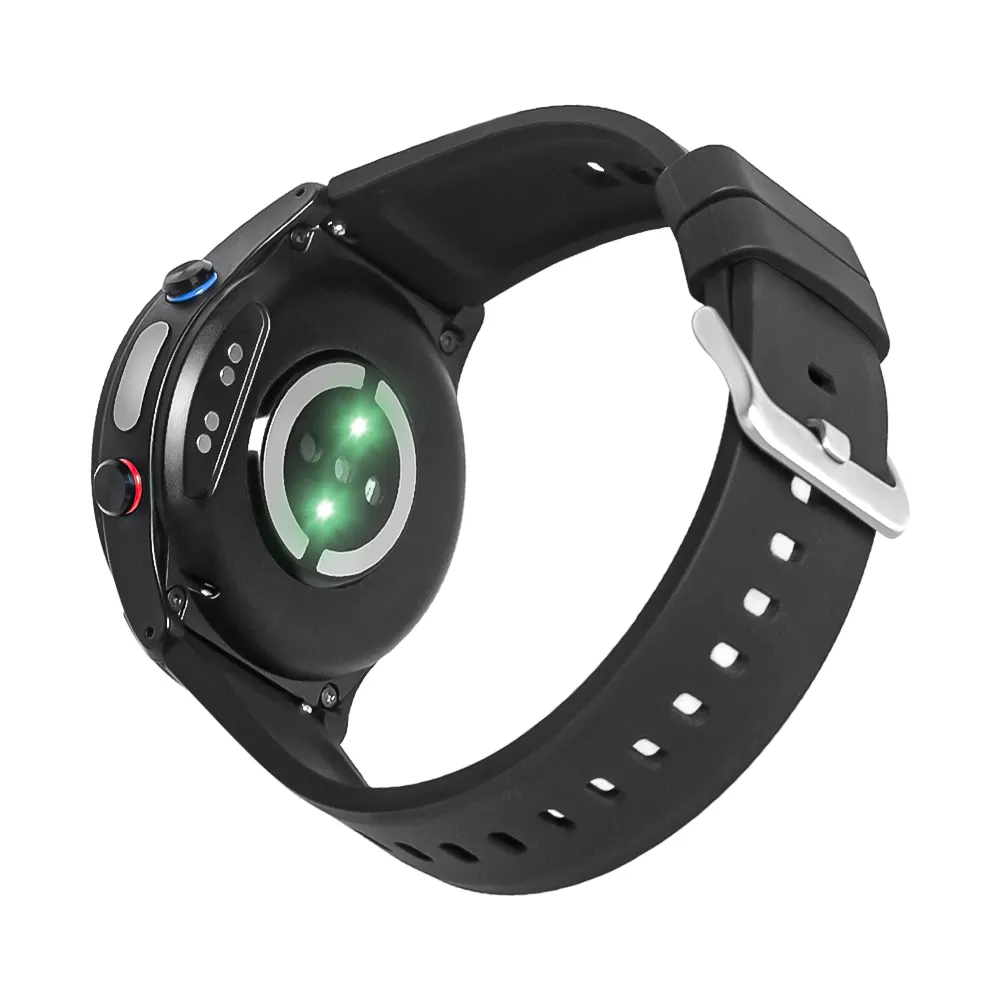
1. Optical Heart Rate Sensors (PPG)
Photoplethysmography, or PPG sensors, use green or infrared light to measure blood volume changes under the skin. With this data, smartwatches can measure heart rate continuously throughout the night. In sleep apnea events, heart rate often shows distinctive patterns — sudden rises or irregular rhythms — that may help algorithms flag abnormal breathing episodes.
2. Pulse Oximetry (SpO₂) Monitoring
Pulse oximeters measure the percentage of oxygen saturation in your blood. Healthy individuals generally maintain SpO₂ levels above 95% during sleep. Breathing interruptions can cause oxygen levels to drop repeatedly. Smartwatches with SpO₂ sensors can detect these dips, which may be correlated with apnea events.
This is one of the most direct indicators wearable devices can use to flag potential breathing abnormalities.
3. Accelerometer and Motion Sensors
Motion sensors track your body movements and positions. Frequent jolts, restless tossing, or abrupt shifts may signal arousals from sleep — often caused by brief breathing pauses. The combination of movement data alongside heart and oxygen monitoring helps improve the accuracy of sleep analysis.
4. Sleep Stage Tracking
Smartwatch apps use sleep stage detection — light, deep, and REM sleep — to understand sleep architecture. Apnea frequently interrupts deep sleep and REM stages, leading to fragmented patterns. While sleep stage analysis alone doesn’t confirm sleep apnea, it provides context to physiological markers that may indicate trouble breathing during specific phases of the night.
How Smartwatch Alerts Work
Once a smartwatch collects overnight data, specialized algorithms analyze patterns. If the system detects signs suggestive of breathing irregularity — such as repeated oxygen drops below a threshold or heart rate deceleration followed by abrupt acceleration — it may issue one of the following:
Sleep Reports
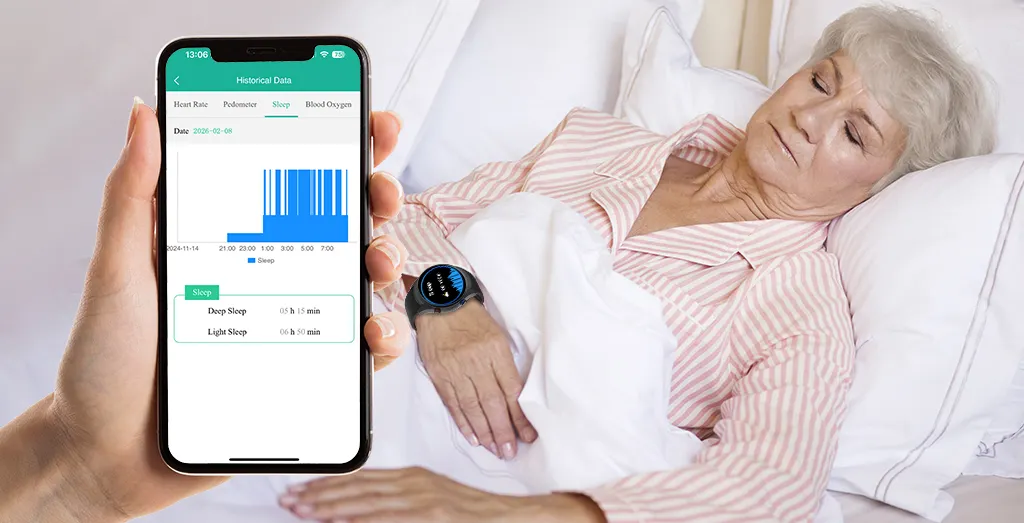
Some apps generate detailed overnight summaries showing heart rate trends, SpO₂ graphs, and sleep quality scores. These charts may highlight periods where data suggests unusual breathing activity.
Respiratory Anomaly Alerts
Advanced systems can notify users directly on the watch or companion app when breathing markers fall outside normal ranges. Alerts may appear as:
“Unusual breathing patterns detected”
“Repeated drops in blood oxygen observed”
“Sleep quality impacted by potential disruptions”
Importantly, these alerts are suggestive and not medical diagnoses. They are designed to prompt users to pay attention and consider professional evaluation if patterns persist.
Accuracy & Limitations
While smartwatch detection capabilities have improved rapidly, there are important limitations to understand:
Not a Medical Diagnosis Tool
Smartwatches are consumer devices, not medical instruments. They cannot conduct polysomnography — the gold standard sleep lab test that measures brain waves, airflow, respiratory effort, and more. Wearable data is indirect and algorithm-based, meaning it suggests trends rather than confirming clinical conditions.
Sensor Variability
Not all smartwatches have the same sensors or quality of measurements. A device with SpO₂ monitoring is more capable of detecting oxygen dips than one without. Accuracy also varies by brand and model, as well as how snugly the watch is worn overnight.
External Factors
Cold skin, movement artifacts, poor sensor contact, and lighting conditions can influence sensor accuracy. Some users report inconsistent measurements if the watch shifts on the wrist or if the SpO₂ sensor is not optimized.
Despite these limitations, research shows that wearable data can be a valuable early indicator of sleep breathing issues, especially when corroborated with other symptoms like daytime fatigue, snoring, or morning headaches.
Who Benefits Most from Sleep Breathing Alerts?
Smartwatch sleep apnea alerts are especially useful for people who:
✅ Experience persistent daytime tiredness
✅ Snore loudly or have restless sleep
✅ Have risk factors like obesity or high blood pressure
✅ Want early insights before booking a sleep study
✅ Are interested in monitoring long-term sleep health
In many cases, wearable insights can motivate users to seek professional evaluation earlier than they otherwise might. Catching breathing disorders sooner can lead to earlier treatment — improving overall sleep quality and lowering risk of related health complications.
What to Do If Your Watch Flags Potential Issues
If your smartwatch consistently detects breathing irregularities over multiple nights, consider these steps:
1. Track for a Week or More
One night of unusual readings might be a fluke. Consistent patterns over several nights offer stronger evidence.
2. Share Data with a Healthcare Provider
Many companion apps allow you to export sleep charts and breathing trends. Sharing these with your physician helps guide clinical decision-making.
3. Discuss a Formal Sleep Study
A doctor may recommend an in-lab polysomnography or at-home sleep test, especially if symptoms point to moderate or severe sleep apnea.
4. Evaluate Lifestyle Factors
Weight management, alcohol reduction, positional therapy (sleeping on your side), and throat exercises may improve mild breathing interruptions.
The Future: AI and Improved Wearable Detection
As wearable technology evolves, artificial intelligence (AI) and machine learning are playing bigger roles in sleep and health analysis. Future smartwatches may use more refined models capable of distinguishing subtle respiratory patterns with higher accuracy. Improvements in sensor hardware, software calibration, and cloud-based analytics will further enhance the ability of wearables to support real-world health insights.
Some future possibilities include:
✨ Personalized baselines based on long-term user data
✨ Predictive analytics for early risk detection
✨ Integration with telehealth platforms
✨ Real-time alerts during sleep
These advances won’t replace clinical care, but they will make daily health surveillance more accessible and actionable.
Conclusion
Smartwatches today offer powerful tools beyond timekeeping. Through heart rate, blood oxygen, motion, and sleep data, these devices can detect patterns that may point to breathing irregularities like sleep apnea. While they are not a substitute for medical diagnosis, wrist-worn sleep apnea alerts can boost awareness, prompt earlier evaluation, and support ongoing sleep health tracking.
If your wearable flags potential issues night after night, discussing this with a healthcare provider can be an important step toward better sleep and better long-term health. As smartwatch technology continues to improve, wrist-based health insights will only grow more informative and useful — making wearable devices ever more central in personal wellness monitoring.