
How to Evaluate Whether Your Elderly Smartwatch Idea Is ODM-Ready

2026-02-23

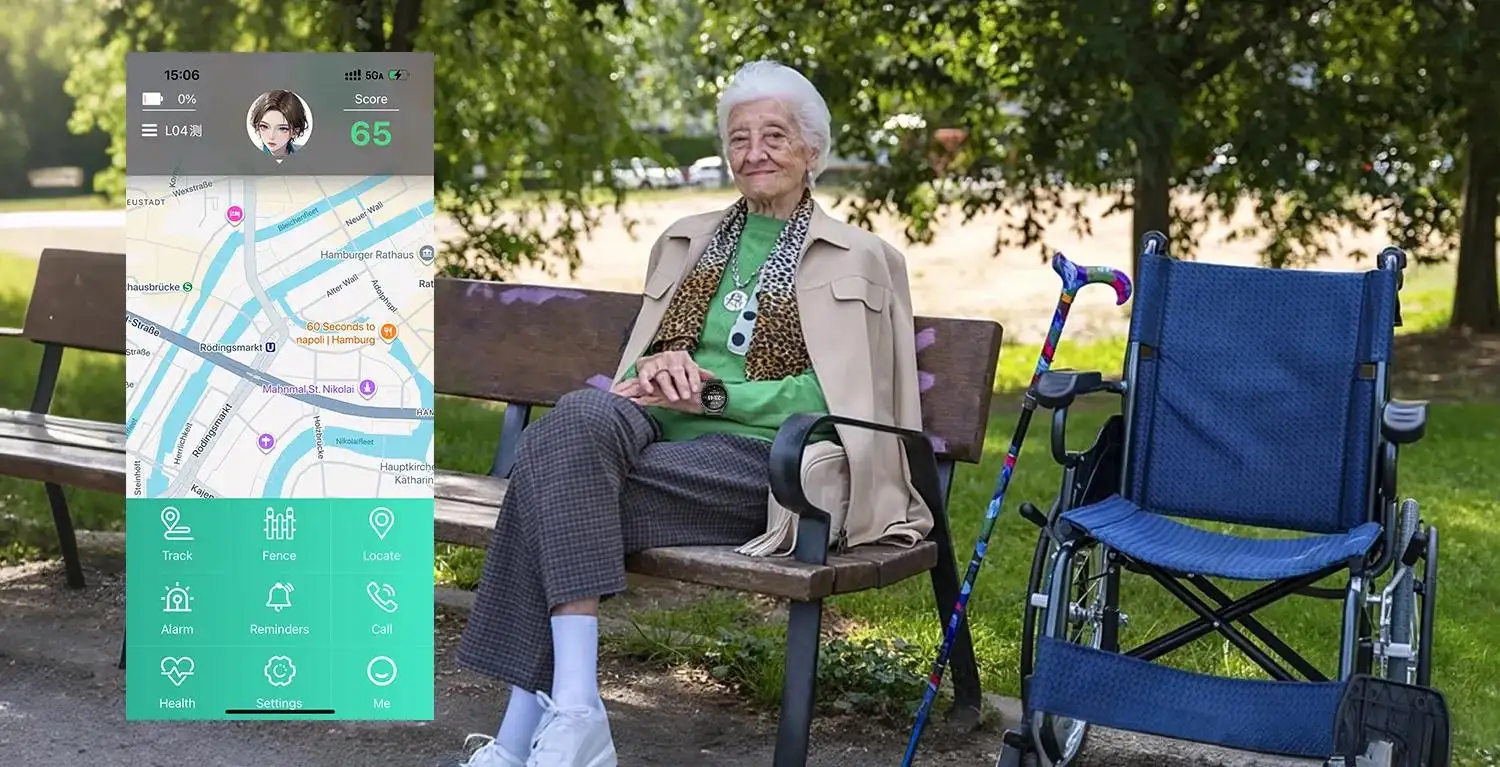
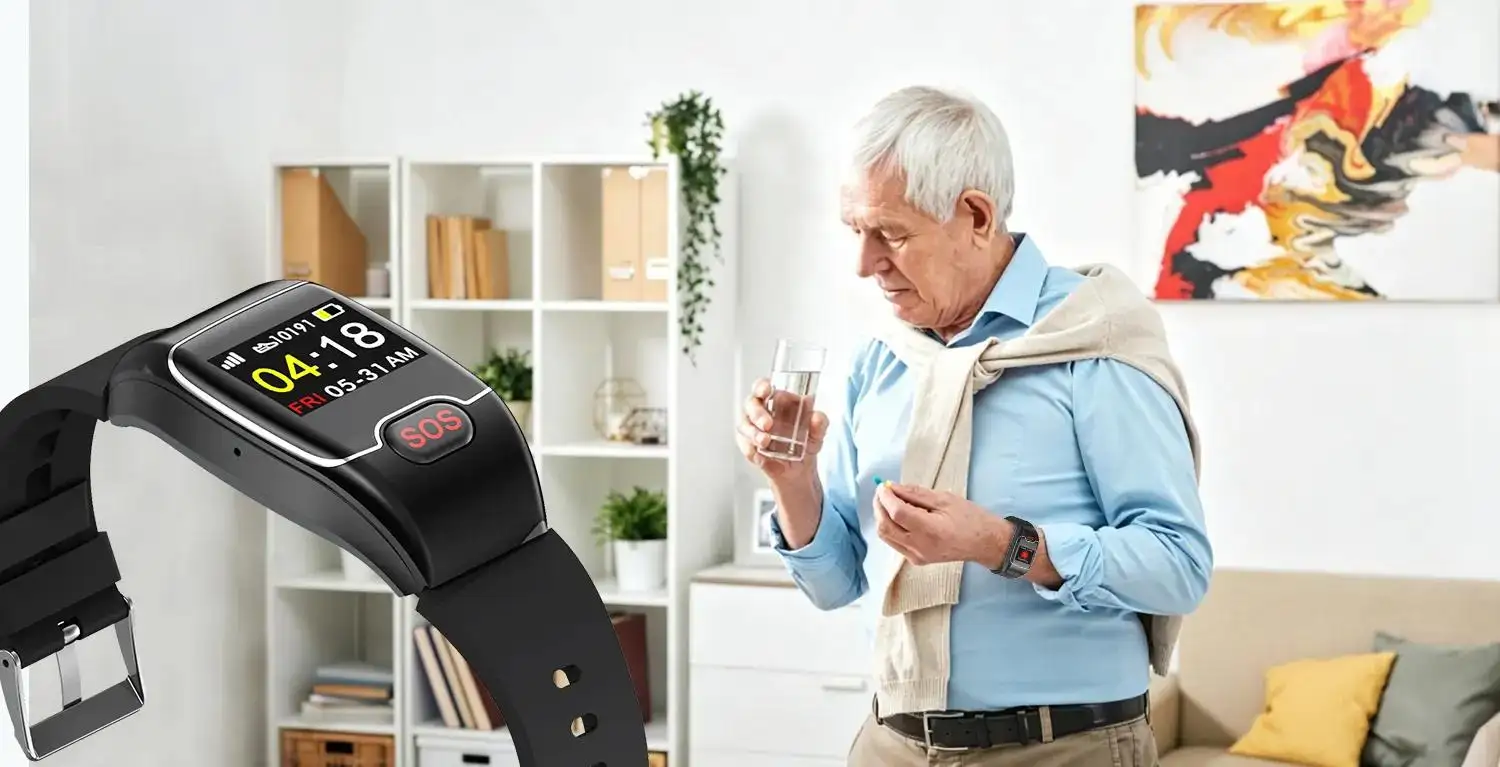
In the elderly care market, demand for custom smartwatches, GPS trackers, and telecare wearables is growing rapidly. Governments, nursing homes, healthcare providers, and startups all want devices tailored to their specific use cases.
However, from an ODM manufacturer's perspective, many ideas fail before reaching mass production — not because the idea is bad, but because it is not ODM-ready.
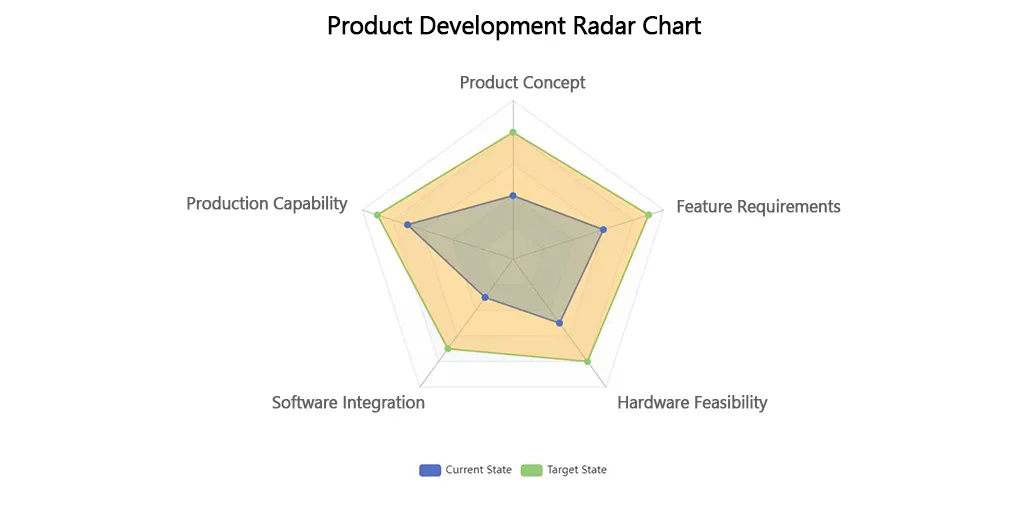
This article helps B2B buyers, product managers, and decision-makers evaluate whether their ODM Elderly Smartwatch or telecare device concept is suitable for ODM development — before time and budget are wasted.
Introduction: Not Every Smartwatch Idea Is ODM-Ready
The market looks hot, but ODM projects are not "just build it and ship it." Elderly wearables face stricter expectations than consumer gadgets. You need dependable connectivity, proven alerts, long battery life, and comfortable wear. You also need clear policies for data, post-sale service, and compliance.
At JiAi Intelligent Technology, we routinely encounter prototype-minded briefs, while ODM execution depends on product-level decisions. A true telecare wearable ODM project must be ready for repeatable production, testing, and certification. If the foundation is unclear, costs grow quickly and timelines slip.
ODM readiness is not about being "creative." It is about being "buildable."
What "ODM-Ready" Really Means in Elderly Wearables
ODM-ready does not simply mean "customizable."
An ODM-ready elderly wearable device development project usually meets three baseline conditions:
• A clear application scenario (elderly safety, telecare, chronic disease management)
• Feasible customization scope (firmware, hardware, or housing)
• A realistic commercialization plan (not just a prototype)
When these three pieces align, a smartwatch ODM manufacturer can evaluate your plan with real engineering logic and realistic costing. If any one piece is missing, you may still succeed, but the risk and waste increase.
Many buyers also confuse OEM modification with ODM development. Understanding the difference early is critical, because it decides your budget, timeline, and who in your team must participate.
OEM vs ODM: A Quick Reality Check
Before evaluating your idea, clarify this:
OEM Customization Is Suitable If:
• Logo branding is your main request
• Minor UI changes are enough (colors, icons, simple screens)
• Existing hardware already meets your requirements
• Time-to-market is critical and you want low risk
ODM Development Is Needed If:
• You require custom firmware logic (fall detection rules, SOS workflows, telecare logic)
• Hardware changes are needed (battery size, sensors, PCB layout)
• Your market needs unique certifications or deep system integration
• You want long-term differentiation rather than short-term launch
If your project falls into the second category, you are not buying a "product." You are building one.That is why custom elderly smartwatch projects must be judged with ODM rules, not consumer product thinking.
Step 1: Is Your Application Scenario Clear Enough?
ODM projects for elderly smartwatches fail most often due to vague use cases. The words "elderly smartwatch" can mean many things: a safety device, a medical reminder tool, a location tracker, or a caregiver workflow terminal.A strong ODM-ready idea answers questions like:
• Who wears the device? (independent seniors, dementia patients, home care users)
• Who monitors the data? (family, nursing staff, central station)
• What is the core value? (safety, compliance, cost reduction)
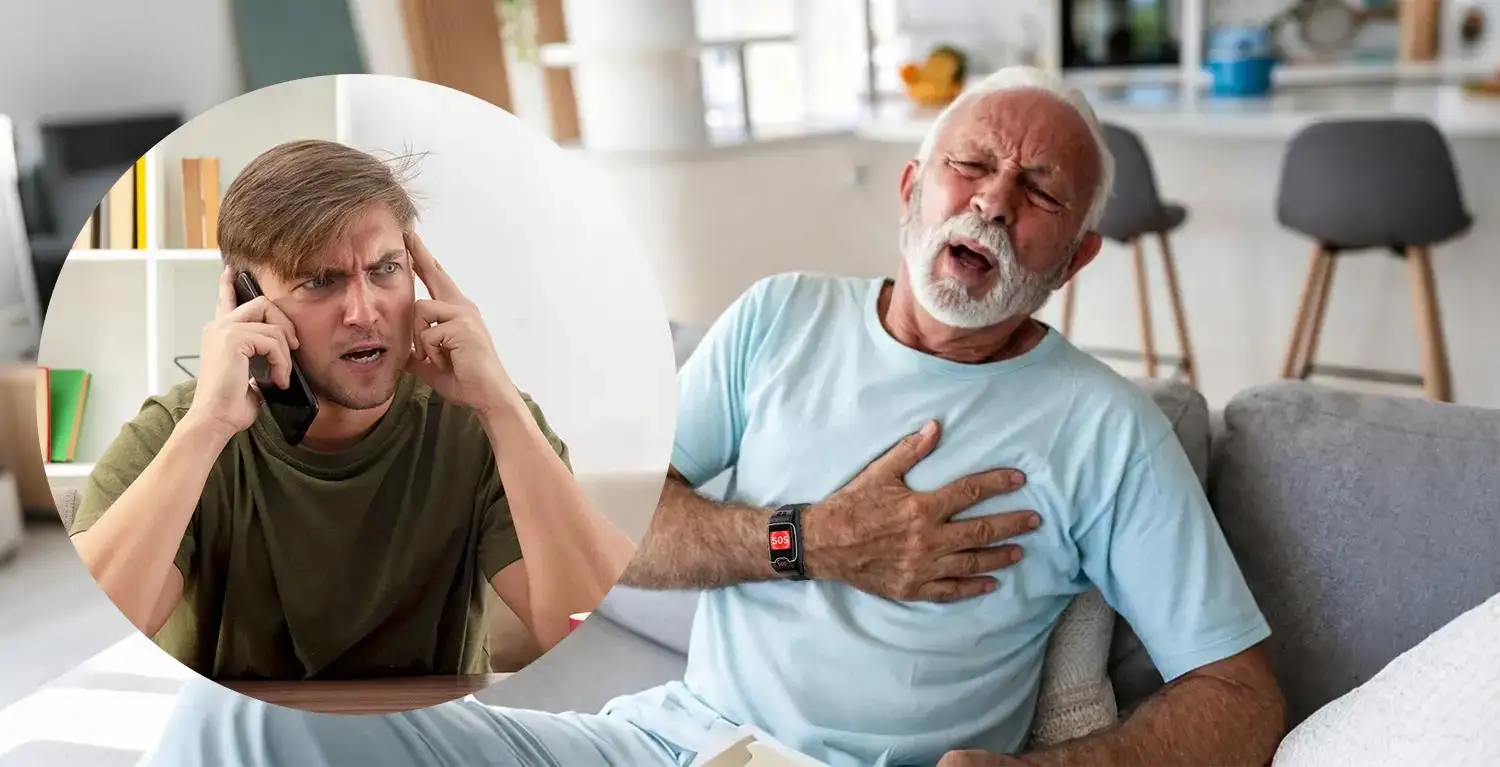
• What is the critical event?(fall, wandering, missed medication, abnormal heart rate)
• What happens next? (alert → verify → escalate → close the loop)
For example:
"GPS watch for seniors" ❌ (too generic)
"4G custom GPS smartwatch for seniors used by dementia patients, with geofencing, fall alerts, and caregiver escalation" ✅
Clear scenarios reduce development risk dramatically. They also improve supplier communication. When your scenario is clear, the smartwatch ODM manufacturer can propose correct sensors, correct antenna layout, correct waterproof structure, and correct test plans.

Step 2: Firmware Customization — The Real ODM Trigger
In elderly wearables, firmware defines the product more than hardware.Two devices may look identical, but their real-world value depends on how they behave during stress, motion, weak signal, or false alarms.Typical ODM-level firmware requirements include:
• Customized fall detection logic (thresholds, posture 판단, false-alarm filtering)
• SOS escalation workflows (call order, retry logic, SMS + app push, caregiver confirmation)
• Data reporting rules for telecare platforms (intervals, batching, low-power mode strategy)
• Location strategy (GPS + WiFi + LBS, indoor vs outdoor behavior)
• Local compliance adaptations (EU, Australia, Middle East)
• Multi-language UI logic and accessibility design (font size, simplified steps)
If your differentiation relies on how the device behaves, not just how it looks — ODM is justified.From our factory experience at JiAi Intelligent Technology, firmware customization is often underestimated, yet it consumes the largest share of ODM effort. Why? Because firmware must be validated under hundreds of edge cases: weak LTE, repeated falls, charging interruptions, button misuse, Bluetooth disconnects, and caregiver app delays.That is also why we recommend that B2B buyers define "success metrics" early. For example: maximum false alarm rate, minimum battery runtime, maximum alert latency, and acceptable location error range. Without these numbers, firmware discussions become endless.
Step 3: Hardware Customization — Necessary or Overkill?
Not every project needs hardware changes. Many successful custom elderly smartwatch projects start with a stable platform and differentiate through firmware and service integration.ODM hardware customization usually makes sense when:
• Battery life must exceed standard models (bigger cell, power IC optimization, different charging design)
• Additional sensors are required (SpO₂, temperature, higher accuracy motion sensor)
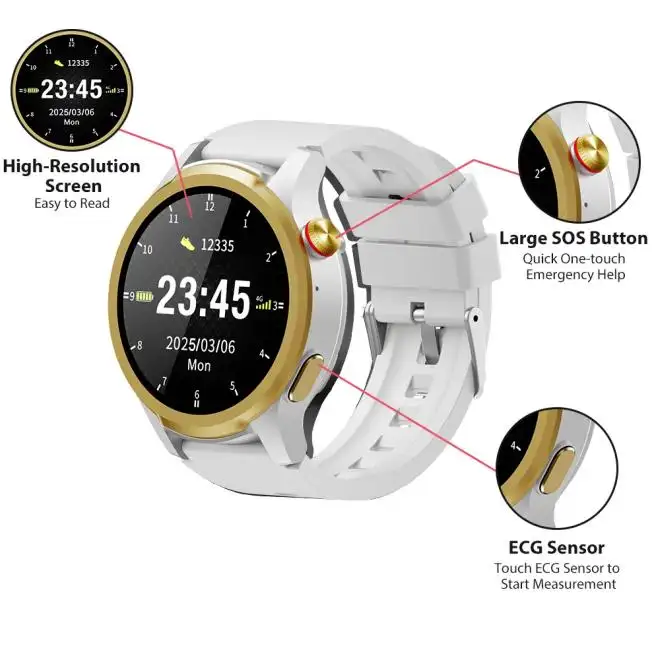
• Form factor affects user acceptance (lighter body, softer strap, pendant option, larger button)
• Durability requirements are higher (IP rating, shock resistance, stronger speaker/mic design)
However, unnecessary hardware changes increase cost, certification time, and risk.A small change can trigger bigger changes: new tooling, new antenna tuning, new waterproof testing, new EMC risks.A professional telecare wearable ODM partner will help you decide:
• What must be customized now
• What can remain standard for first launch
• What can be optimized in a second-generation model
• Which changes will impact certification and lead time
At JiAi, we often suggest a "minimum hardware change" approach for V1. If you can meet your business goal through firmware, accessory options, and platform integration, you will reach the market faster with lower risk.
Step 4: Commercial Feasibility Matters More Than Innovation
ODM success is not about technical ambition — it's about market reality.Before proceeding, ask:
• Expected annual volume and launch region plan
• Target project price (tender price, distributor price, or subscription model)
• Procurement model (government tender, nursing homes, insurance partners, DTC)
• Warranty and service responsibility (who handles returns, SIM issues, platform support)
• Certification and timeline requirements (what must be approved before sales)
Many technically interesting projects fail because unit economics don't work after customization and certification.For example, adding a sensor is not only a BOM cost. It may increase power consumption, require more PCB space, change housing design, and require additional validation.ODM-ready projects balance innovation and scalability. If your plan requires heavy customization but your expected volume is small, you may need to redesign the commercial model first.
Step 5: Is Your Team Ready for ODM Collaboration?
ODM development is a co-development process. Even with a strong factory partner, your internal team must make decisions quickly and provide feedback in testing cycles.Successful projects usually involve:
• Clear decision-makers (product + procurement + operations aligned)
• Basic technical understanding (enough to judge trade-offs)
• Willingness to iterate (firmware testing, app flow tuning, packaging adjustments)
• Documentation discipline (requirements, test results, change logs)
If your team expects "one-time development and done," ODM is likely not suitable. Elderly wearables need continuous improvement because users behave differently than expected, and real field data always reveals new problems.For elderly wearable device development, your internal readiness is part of the product readiness.

How We Help Clients Evaluate ODM Feasibility
As an OEM/ODM manufacturer specializing in elderly smartwatches, GPS trackers, and telecare devices, JiAi Intelligent Technology supports clients at the evaluation stage, not only after contracts are signed.Our typical process includes:
• Application scenario review (who, where, why, and workflow mapping)
• Firmware and hardware feasibility assessment (platform match, customization boundaries)
• Cost and timeline estimation (tooling, certification, pilot run, mass production)
• Go / No-Go recommendations (including a staged plan if V1 should be simplified)
Sometimes, the best advice is not to proceed — and clients value that honesty.In many cases, we guide buyers toward a smarter first step: OEM launch for validation, then ODM upgrade after the market proves demand.That is how we reduce risk for telecare wearable ODM programs and help clients build products that can scale.
Conclusion: Decide Before You Develop
ODM projects succeed when decisions are made early and rationally.If your elderly smartwatch or telecare wearable idea:
• Solves a clear problem
• Requires real differentiation
• Has a viable business model
Then ODM can create long-term value.If not, OEM customization may be the smarter first step. Either way, your best move is to evaluate before you invest. When you are ready, JiAi Intelligent Technology can help you confirm whether your ODM Elderly Smartwatch concept is truly ODM-ready — and what the smartest path to market looks like.