Mobile Personal Emergency Response System: GPS, Cellular PERS & B2B Integration Guide

2026-10-30

A senior safety device must work beyond the living room. Whether an older adult is shopping, walking, or attending an appointment, emergency communication should remain accessible wherever compatible mobile coverage is available.

A Mobile Personal Emergency Response System (Mobile PERS) combines wearable hardware, cellular connectivity, GPS positioning, and emergency monitoring software into a connected safety solution.
Selecting a mobile PERS solution is more involved for Telecare providers and other senior safety brands than purchasing an SOS smartwatch. Factors including network compatibility, the type of alarm transmitted, the workflow of the monitoring service and the integration of the provider's platform can all impact the reliability of a solution.
What is a Mobile Personal Emergency Response System?
A Mobile Personal Emergency Response System (Mobile PERS) allows the user to summon help without depending on a fixed base station home alarm.
Depending on the configuration of the device, a mobile PERS can include the following features:
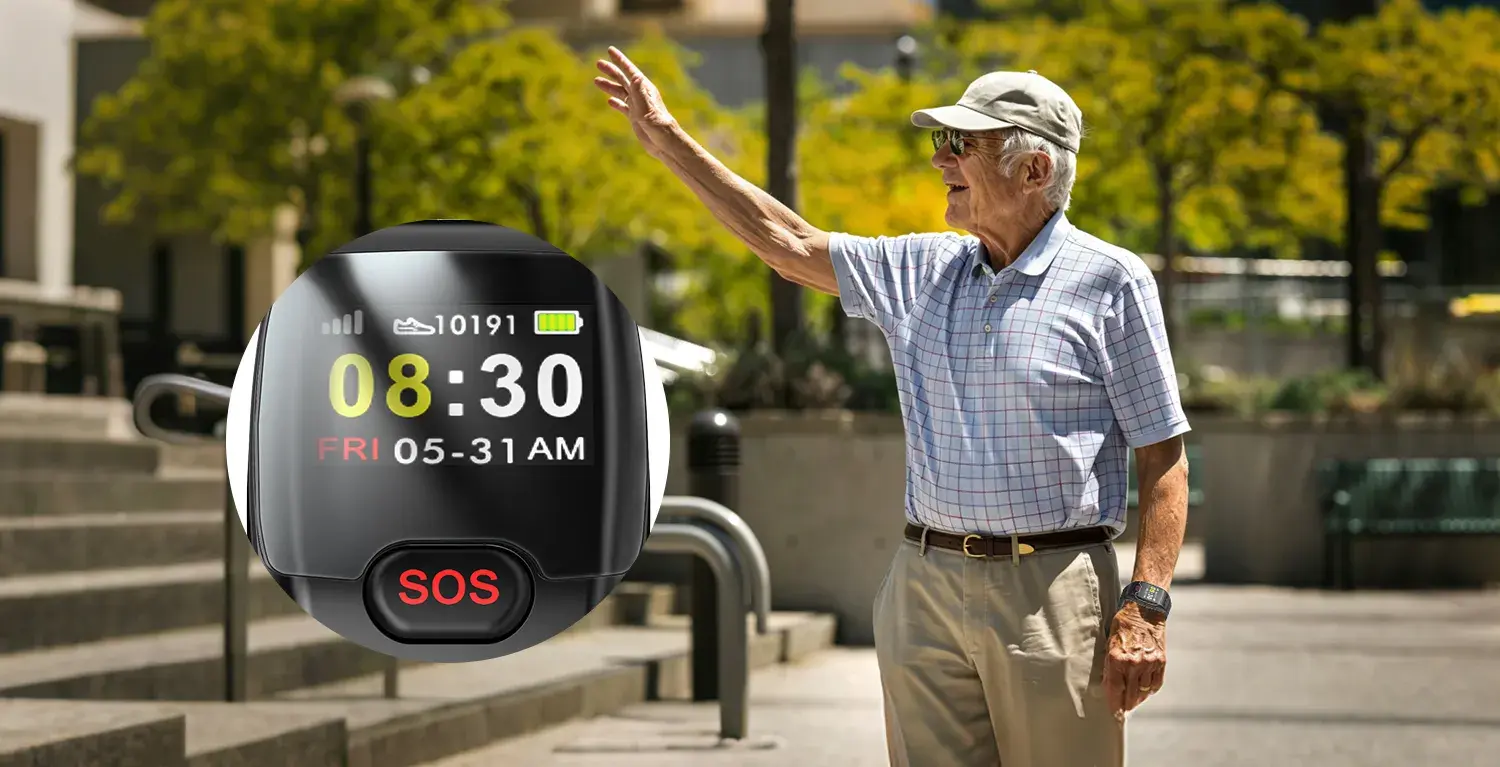
•SOS Activation – An emergency button or wristband.
•4G LTE connectivity – A built in cellular connection.
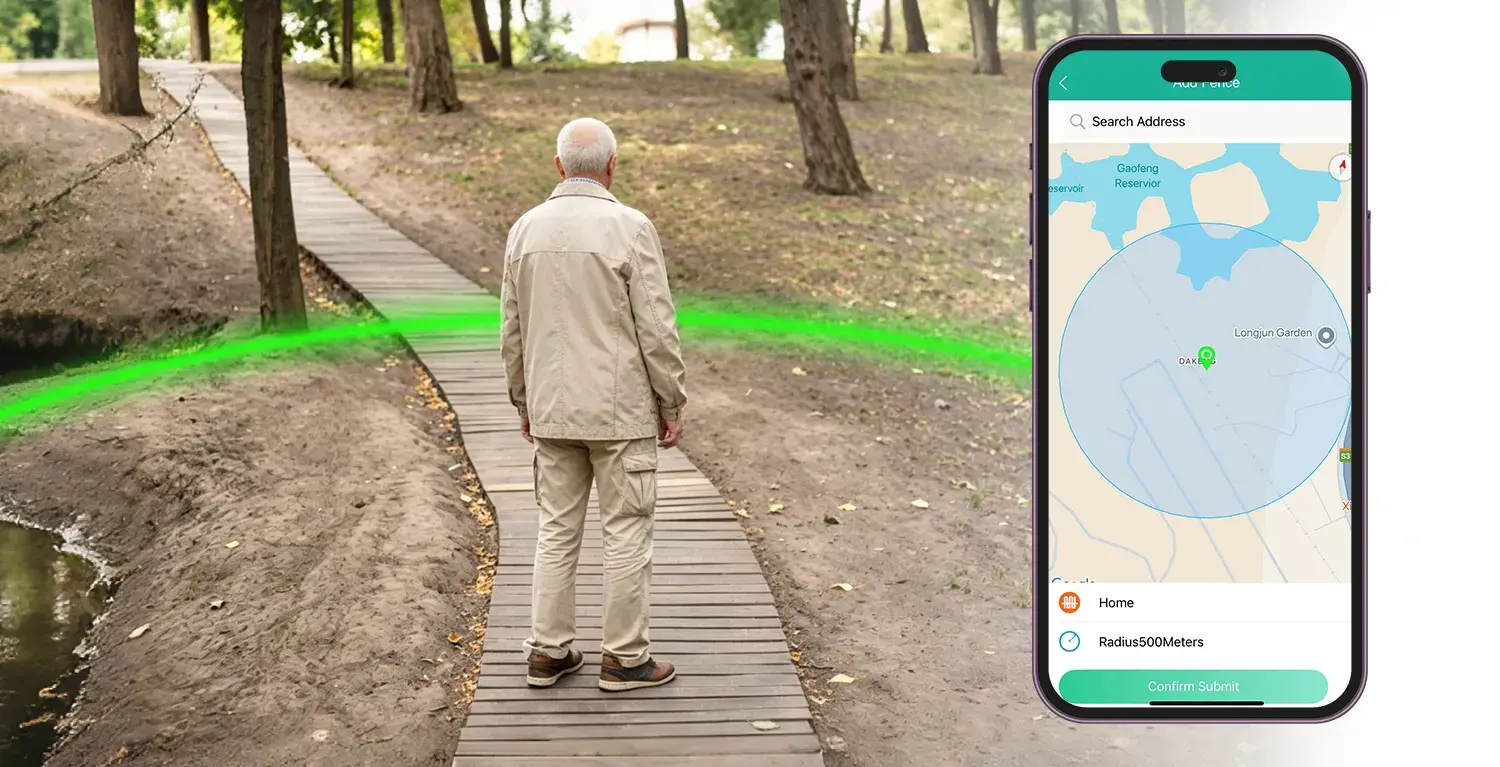
•GPS Location – Outdoor positioning with supported location methods.
•Two Way Voice – Communication with first responder.
•Emergency Alerts – Notification to caregiver or monitoring center.
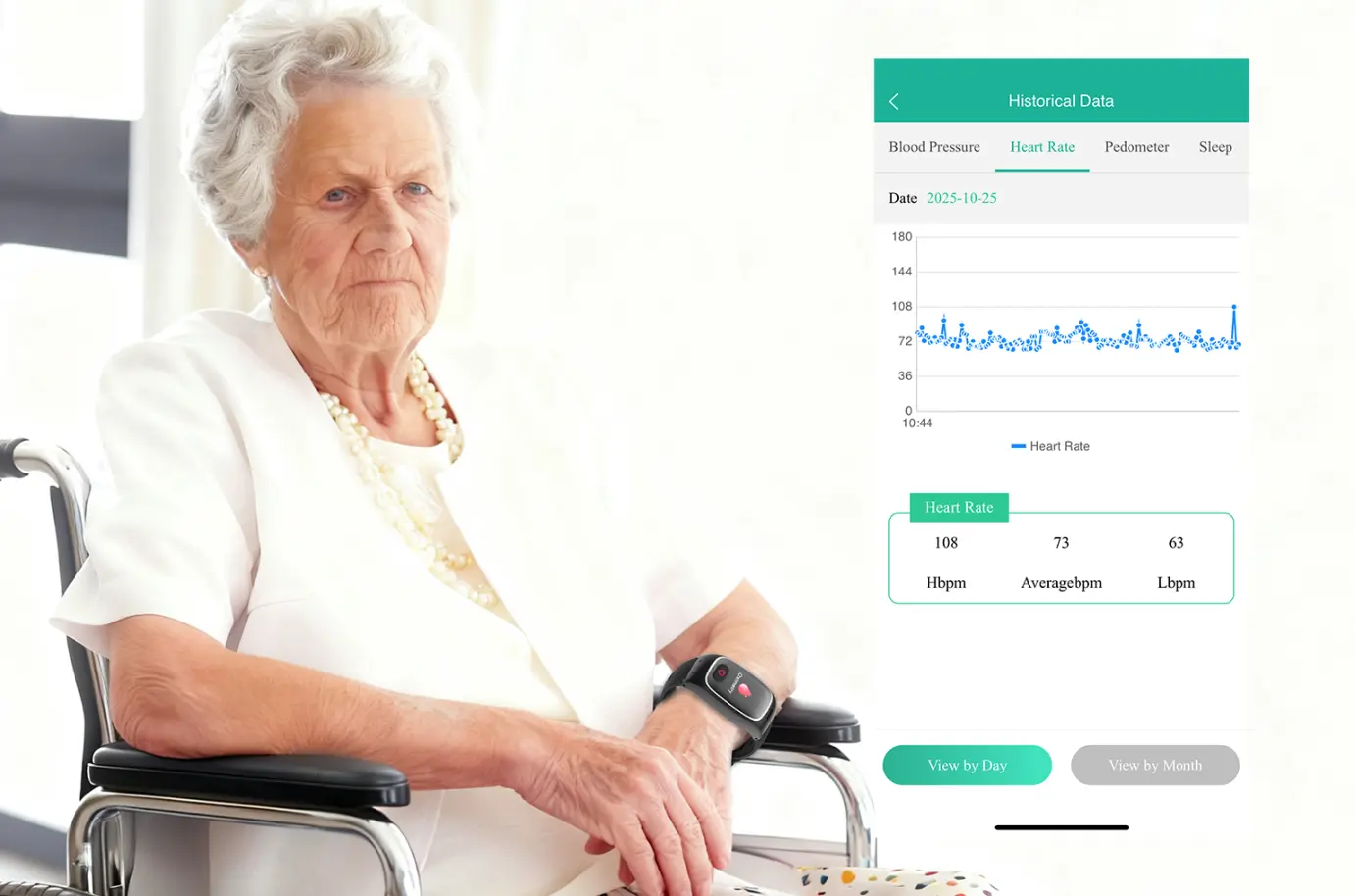
•Remote Management – Over-the-air device firmware updates.
Various hardware formats include elderly smartwatches, SOS wristbands and GPS trackers.
Mobile PERS vs. Traditional Home-Based PERS
The major difference is mobility and how the device communicates.
| Feature | Home-Based PERS | Mobile PERS |
| Operating area | Home or facility | Home and community |
| Connectivity | Fixed base station | Cellular connection |
| Location | Registered address | GPS/GNSS |
| Device format | Button or pendant | Smartwatch or wristband |
| Voice communication | Base unit dependent | Device and network dependent |
| Main limitation | Base station coverage | Cellular coverage and battery |
Mobile personal emergency response systems are geared toward an active aging population that leads an engaged and mobile lifestyle, and community care and related support services that work with users across multiple locations.
Indoor only services may however still be better addressed using traditional home based PERS solutions.
How Does a Mobile PERS System Work?
A standard architecture for a cellular PERS system consists of four essential components.
1. Wearable Emergency Device
Smartwatches and other devices include hardware, firmware, and event-triggered transmission.
2. Cellular Network
In order to be SIM-enabled and connect to a cellular network, the wearable needs to be configured for the LTE bands supported by the network. The buyer should also research the following for the cellular network:
•Roaming and SIM compatibility
•Voice over LTE (VoLTE) for voice calls
•Interruption and reconnection behavior of the cellular connection
3. Telecare Server
The server receives and stores the identifiers of the wearables, emergency events, location, and time and status information.
Depending on the project, the devices may connect to a manufacturer's server, or to a customer's private server.
4. PERS Monitoring Center
The PERS monitoring center receives and processes emergency events, coordinates communication, and follows an agreed escalation procedure.
The complete workflow is:
SOS Activation → Cellular Transmission → Telecare Platform → Monitoring Operator → Response Action
Each connection must be tested independently and as part of the complete service.
GPS Personal Emergency Response System: Location Accuracy and Limitations
A GPS personal emergency response system can provide useful location information when users require assistance outside their homes.
However, positioning performance is strongly tied to the environment.
| Location Method | Typical Application | Technical Limitation |
| GPS/GNSS | Outdoor positioning | Reduced satellite visibility indoors |
| Wi-Fi Positioning | Supported indoor or urban environments | Depends on available network data |
| Cellular Positioning | Approximate location fallback | Accuracy varies with network conditions |
For confirmation of senior safety, operators need to ensure location timestamps, update intervals, and positioning accuracy are within operational requirements.
A last-known GPS position cannot be assumed to be a real-time location.
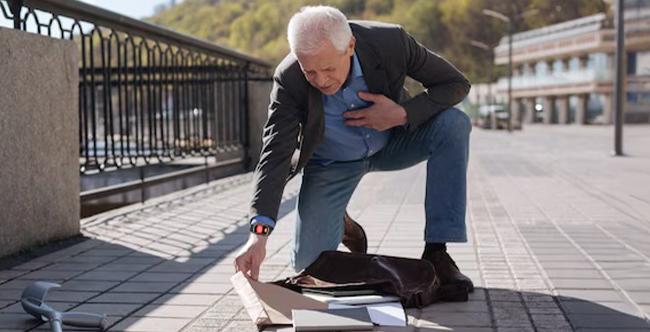
SOS Alerts and Two-Way Voice Communication
A clear set of emergency procedures is essential for a functional Mobile Personal Emergency Response System.
Important Requirements for Critical SOS Workflow
•Alarm Confirmation: Is an alarm generated by a device confirmed by an SOS?
•Event Identification: Can the server/system identify the correct subscriber?
•Voice Connection: Can an call be established by the monitoring personnel?
•Escalation: What is the process if monitoring personnel are not available?
•Network Recovery: What is the process for unsuccessful/lost transmissions?
•Event Closure: What procedures are used to record unacknowledged alarms?
Tests for VoIP calls and messages require special consideration. VoLTE calls may require different configurations at the operator level. In a multi operator environment it may not be possible to receive a call reliably, even if data is transferred successfully.
These procedures must be validated prior to launching a commercial mobile PERS solution.
Telecare Platform Integration: APIs and Data Management
Many service providers have their own proprietary monitoring software and/or caregiver apps.
Integration of the telecare platform enables mobile PERS devices to communicate with the service provider's existing infrastructure. This may avoid the need for a full service platform replacement.
The manner of integration may vary from one device/firmware to another. It may use REST APIs, HTTP, TCP/IP or other customized protocols.
Example of data fields that may be transferred:
•Device ID and subscriber association
•SOS event type and time stamp
•GPS longitude/latitude and positioning method
•Battery level and connectivity
•Alarm acknowledgement and response
•Firmware version and configuration
Testing should validate event interpretation, duplicate event handling and subscriber recovery, not just verify data was sent to the server.
Managing Mobile PERS Solutions at Scale
Small scale deployments (e.g., 20 devices) do not reflect large scale deployments (e.g., thousands of subscribers).
Large scale operations of mobile PERS require planned lifecycle management.
| Operational Area | Verification Requirement |
| Device Onboarding | Registration and subscriber binding |
| Connectivity | SIM activation and network recovery |
| Monitoring | Alarm delivery and escalation |
| Firmware | Configuration control and update testing |
| Maintenance | Battery, charging, and replacement |
| Support | Defined responsibilities of operator and manufacturer |
These processes assist to provide continuity for senior safety monitoring in large, distributed device fleets.
JiAi OEM/ODM Mobile PERS Development
JiAi specializes in developing and manufacturing elderly smartwatches, screenless wristbands, GPS trackers, and other similar IoT-based devices for telecare and telehealth for the B2B market.
Our OEM/ODM work can address the following:
•Hardware: Wearable design, SOS button, and cellular modules.
•Firmware: Behavior for emergency events.
•Connectivity: Target-market networks and protocols.
•Software: Application functions and integration with private servers.
•Customization: Adjust the device functions based on the customer's monitoring workflow.
Confirmed functions and integration interfaces must be defined for each model and target market.
Mobile PERS Procurement Checklist
Before ordering mobile PERS devices in volume, request a pilot covering:
•Target-country LTE, SIM, and VoLTE compatibility
•SOS event delivery and monitoring-center acknowledgement
•GPS accuracy, timestamps, and location fallback
•Two-way voice quality and call establishment
•Battery endurance under the intended reporting schedule
•Network failure, recovery, and event handling
•Platform integration and subscriber identification
•Firmware configuration and technical support procedures
Conclusion
A Mobile Personal Emergency Response System is an integrated service architecture, not simply a wearable emergency button.
Reliable mobile PERS solutions depend on compatible cellular hardware, meaningful location reporting, defined SOS workflows, and stable telecare platform integration.
JiAi works with B2B customers to evaluate wearable hardware and OEM/ODM customization requirements for their intended mobile personal emergency response services.
FAQs
Q1. What Mobile Personal Emergency Response System devices does JiAi offer?
JiAi develops and manufactures mobile PERS devices, including elderly smartwatches, screenless SOS wristbands, and wearable GPS trackers for telecare providers, senior safety brands, and OEM/ODM customers.
Q2. Can JiAi customize Mobile PERS devices for OEM/ODM projects?
Yes. JiAi supports project-specific mobile PERS solutions, including hardware design, firmware configuration, SOS functions, communication protocols, and telecare platform integration. Customization availability depends on the selected model.
Q3. Do JiAi mobile PERS devices support 4G LTE connectivity?
JiAi offers cellular wearable solutions designed for mobile communication. Supported LTE bands, SIM compatibility, roaming, and VoLTE functionality must be verified for the selected device and target market.
Q4. Can JiAi provide GPS tracking for Mobile PERS solutions?
JiAi develops GPS-enabled wearable devices for mobile personal emergency response applications. Depending on the model, location functions may include GPS/GNSS positioning and supported supplementary positioning methods.
Q5. Can JiAi mobile PERS devices connect to an existing PERS monitoring center?
JiAi can evaluate integration with a customer's PERS monitoring center through compatible communication protocols or customized interfaces. Device compatibility, event formats, and acknowledgement procedures should be confirmed during development.