Cellular Personal Alarm: How to Choose 4G Safety Devices for Elderly Care

2026-10-26

A Cellular Personal Alarm must do more than activate an SOS button. It needs to transmit an emergency alert reliably, operate independently of a smartphone, and remain comfortable enough for daily wear.
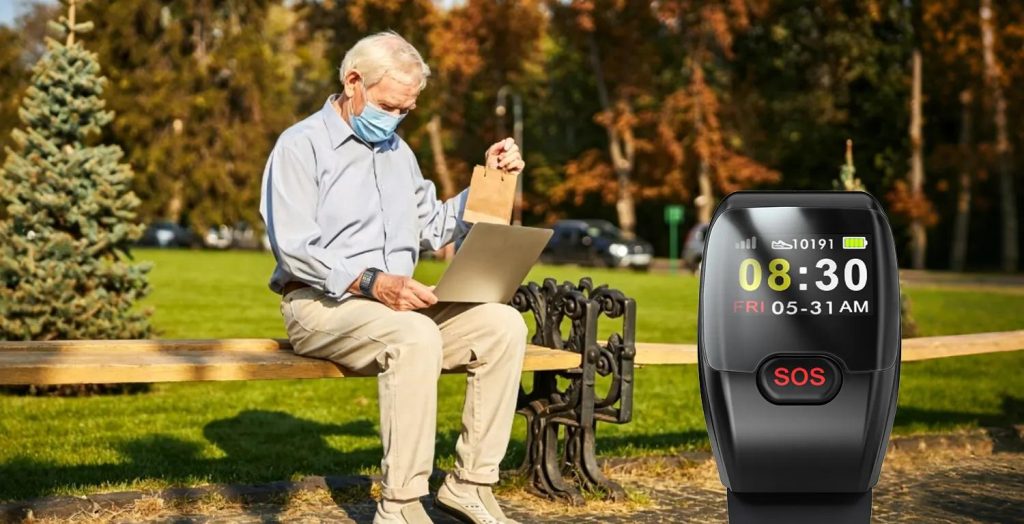
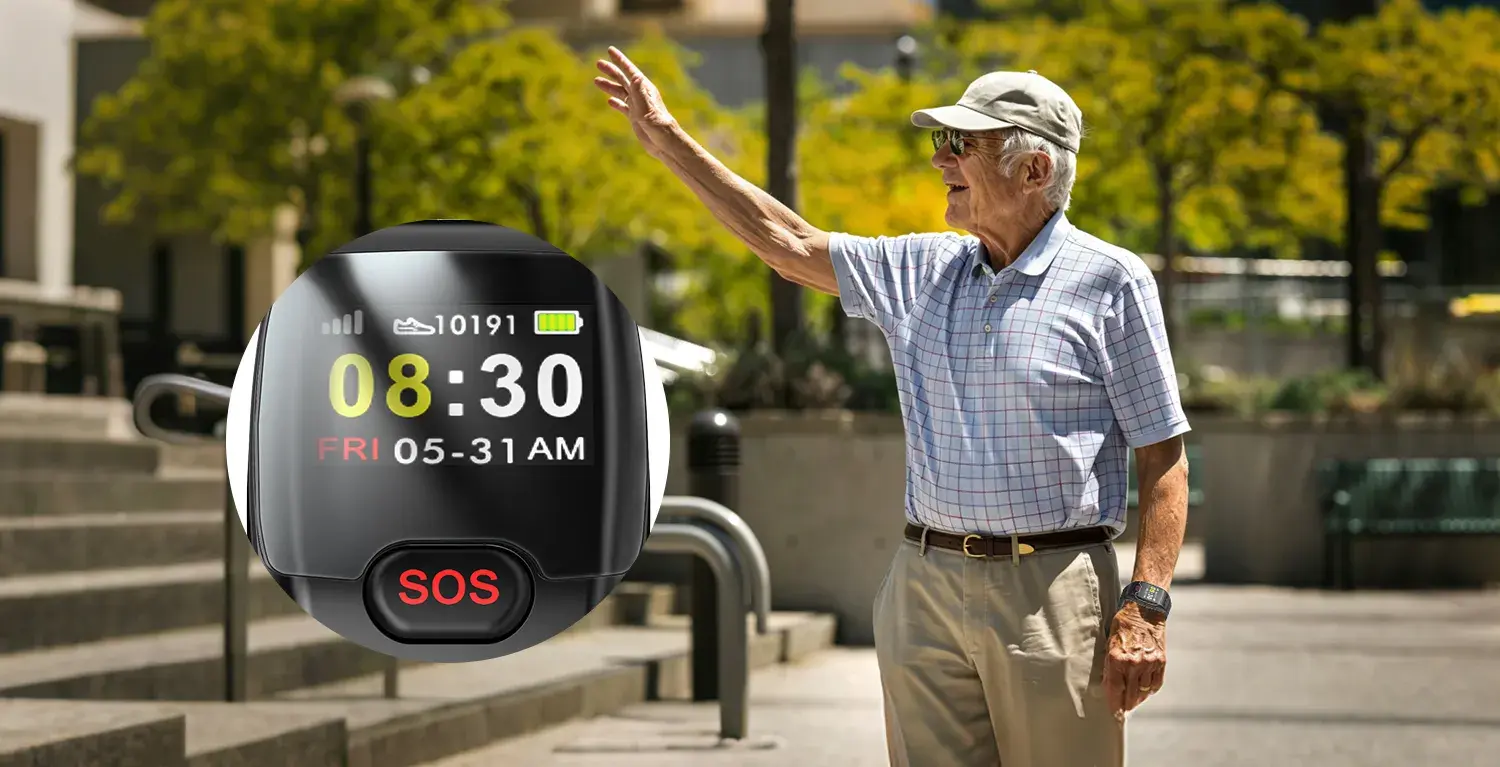
For telecare providers, distributors and elderly care brands, buying a 4G personal alarm involves making a series of technical choices: is LTE supported? is SOS communication included? is GPS positioning supported? how long is the battery life? and is it designed to be worn?
This guide explains how to assess cellular emergency alert devices for the elderly care market, including OEM/ODM considerations.
What is a Cellular Personal Alarm?
A Cellular Personal Alarm is a wearable safety device that connects to the mobile network to send alert messages.
Depending on the model, a 4G personal alarm may have:
•One-touch SOS: Alerts via message at the push of a button.
•Two-way calling: Two-way calls with pre-programmed contacts.
•GPS: User location over the Internet in real-time.
•Fall detection: Automatically sends an alert in the event of a fall.
•Low battery: Alerts user of low battery.
A Bluetooth personal alarm relies on the user having their phone on them in order to receive the SOS message. A cellular personal safety alarm has a built-in SIM card to send the alert message to the pre-programmed contacts.
Successful use of a personal cellular alarm still relies on adequate cellular coverage, activation of the service, firmware configuration and the platform receiving the signal.
Personal Alarm Design Considerations
The design of the personal alarm should take into account the capabilities of the elderly user as well as the routines and communication preferences of the user.
| Wearable Type | Main Advantages | Key Considerations | Suitable Applications |
| 4G Smartwatch | Display, SOS, voice and GPS options | Complex user interface, battery drain | Fit for seniors that are still active |
| SOS Wristband | Straightforward SOS function | Limited visual feedback | Fit for elderly that are still active and independent |
| SOS Pendant | Flexibility in wearing position | Microphone positioning, attachment security | Fit for care in home and community |
| GPS Wearable | Location reporting | Accuracy of positioning, reporting frequency | Fit for outdoor use |
For any senior safety wearable, test button accessibility, wearing comfort, and user understanding before selecting a design.
Five Technical Factors When Choosing a 4G Personal Alarm
1. LTE Network Compatibility
A Cellular Personal Alarm must support the cellular networks available in its destination market.
Check:
•Which LTE bands are supported, as well as compatibility with local carriers.
•The behavior for cellular registration and reconnection.
•VoLTE, if necessary, and in general voice calling support.
•A personal alarm system that works on 4G in one country may not work in a different country.
Procurement Tip: Test actual SIM cards and operators before confirming bulk orders.
2. SOS Activation and Emergency Communication
The most important function of a cellular SOS alarm is completing its configured emergency action.
Evaluate the full SOS sequence:
•User presses the emergency button.
•Device confirms activation through sound, vibration, or LED.
•Alarm transmits an event or initiates a call.
•Device reports transmission status where supported.
•Firmware handles failed connections and retry attempts.
An evaluation should be performed on the cellular emergency alert device after signal interruptions or temporary signal loss.
The device supports communication. Emergency alerts and response are dependent on the integrated telecare service.
3. Two-Way Voice Communications
Two way voice communications may allow caregivers to evaluate the nature of the emergency.
Hardware assessments should include the following:
•Microphone and speaker components, as well as the quality of the call in low signal areas
•Performance in high noise environments
•Auto-answer and contact list features
•Voice capabilities should be evaluated for the firmware and mobile operator.
4. Location and GPS Accuracy
GPS personal alarms can be used to assist in outdoor tracking. However, the strength and reliability of GPS signals is in question for indoor tracking.
Depending on hardware configuration, positioning may include:
| Positioning Methods | Main Applications | Limitations |
| GPS/GNSS | Outdoor location tracking | Weak signals indoors |
| Wi-Fi | Indoor/urban location estimating | Depends on available Wi-Fi data |
| Cellular | Rough location estimating | Variable |
| Bluetooth Beacons | Indoor zones | Requires infrastructure |
For a GPS personal alarm, evaluate reporting intervals and location uncertainty.
Assumptions of room-level accuracy should not be made in the absence of indoor positioning infrastructure.
5. Battery Life and Charging
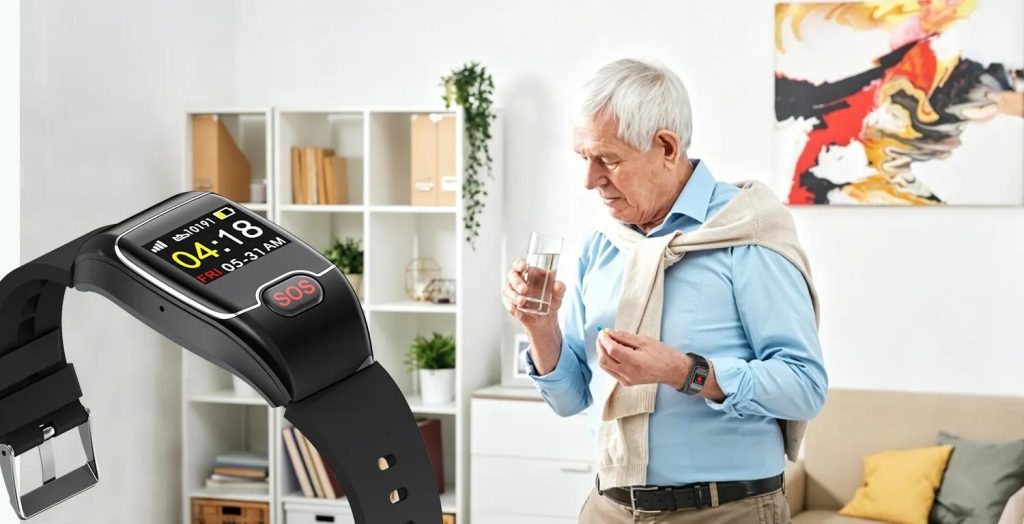
Battery endurance impacts the availability of a Cellular Personal Alarm. Factors that impact battery consumption include:
•Cellular signal strength and network registration
•Sampling and uploading of GPS location
•Duration of voice calls
•SOS button and background reports
•Published standby times should not be relied on for design.
For an elderly safety device, battery endurance is essential. Assess how the magnet is aligned for charging, and include reminders to charge, as well as other enhancements that improve the device's usability.
What Additional Safety Features Matter?
Optional features will help us meet user requirements.
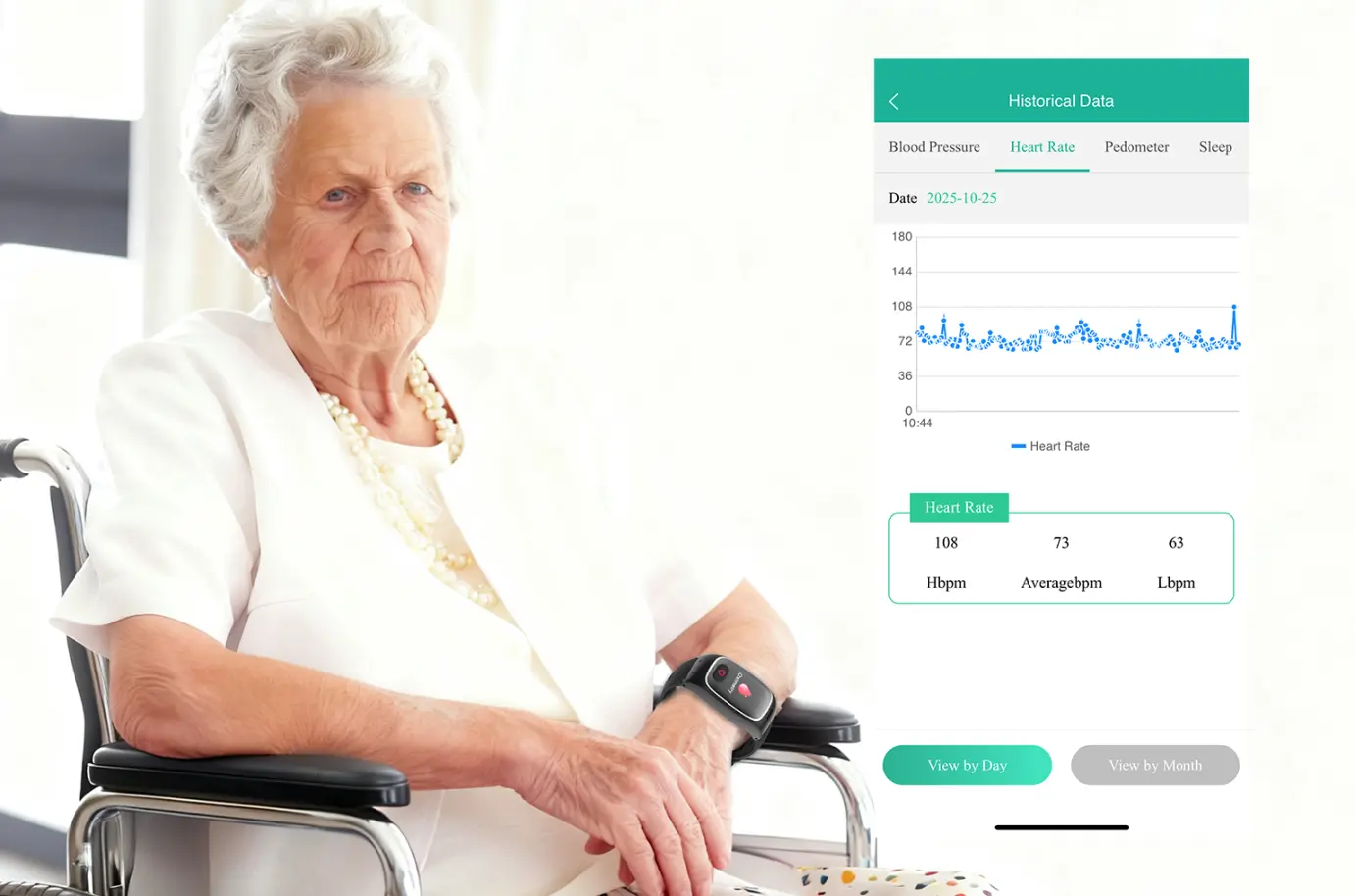
•Fall Detection: Evaluate misses and false positives.
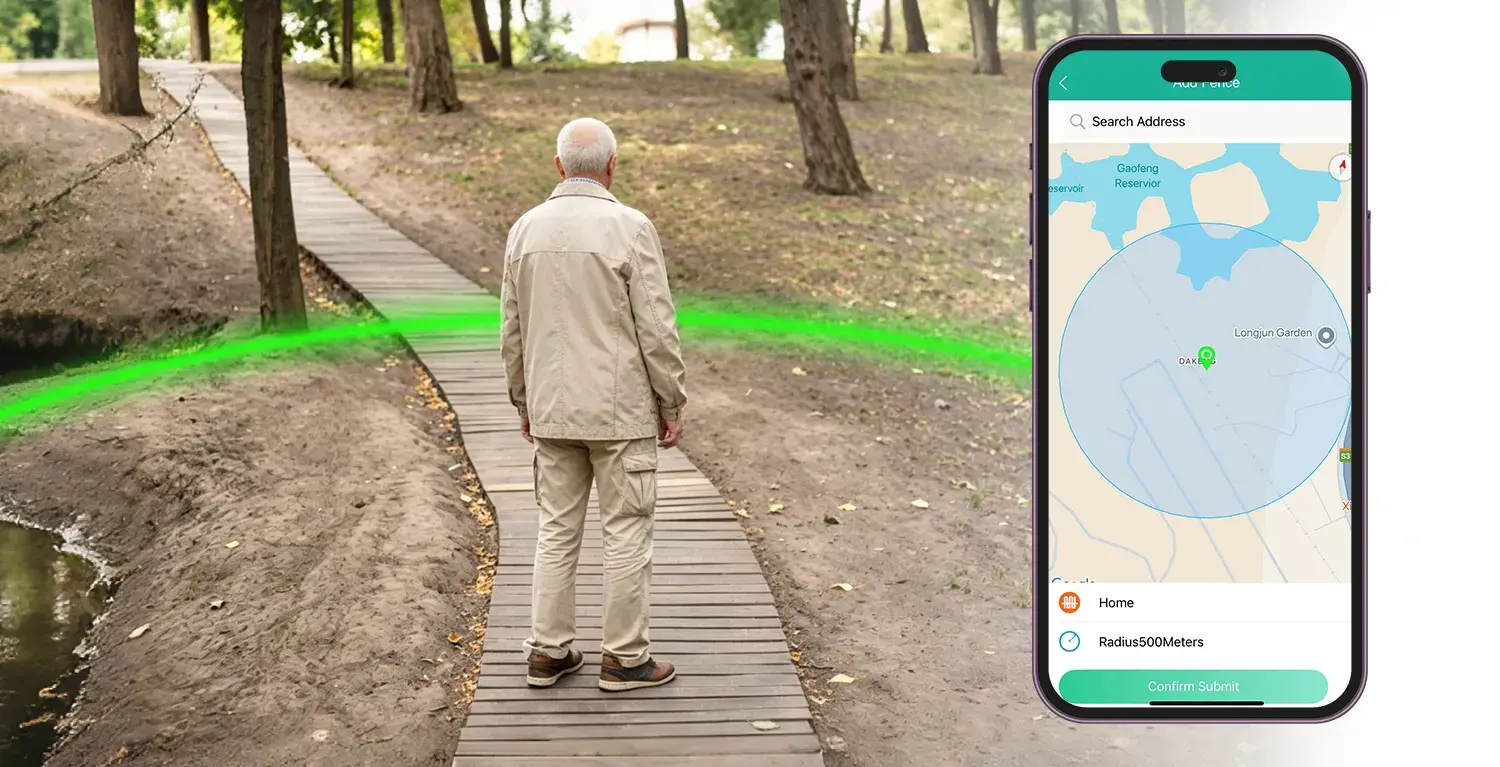
•Geofencing: Evaluate if user receives notification for boundary crossings.
•Low Battery Alert: Evaluate if user receives notification for low battery, and if user is alerted if the device is unresponsive.
•Scheduled Check-ins: Evaluate if the battery loss is acceptable, and the reliability of the transmissions.
More sensors may potentially increase the safety of the senior wearable, but it is more crucial to have an easy to reach SOS button and simplified controls.
Manufacturing of Cellular Personal Alarms (OEM/ODM)
Customization is likely needed to fulfill B2B orders.
Possible Requests may include:
•Hardware: Wearable enclosure, SOS button, charging interface
•Firmware: SOS and reporting flows and behaviors
•Connectivity: LTE, SIM and other wireless connectivity
•Software: App and back-end integrations
•Branding: Logo and product name
JiAi focuses on connected elderly wearables, smartwatches, GPS trackers, and SOS wearables.
We can assess firmware requirements based on the requirements and extent of the project.
Prior to production, the functionality and compliance with the target market's requirements, integration and certification need to be validated.
Cellular Personal Alarm: Pre-Order Checklist
Prior to mass purchases, field test to assess:
•SOS: Dependability of alert delivery and how many times alert is attempted to be delivered.
•Network: Performance in different signal conditions.
•Voice: Call set up and conversation.
•Location: How well it works to locate a person outdoors, and how well it works to locate a person indoors.
•Battery: Usage time and how well it works to log locations with different reporting configurations.
•Usability: Comfort of wearing it, accessibility of SOS button, and how well it works to charge.
Additional considerations may be firmware version, test location, and the test network and SIM.
Conclusion
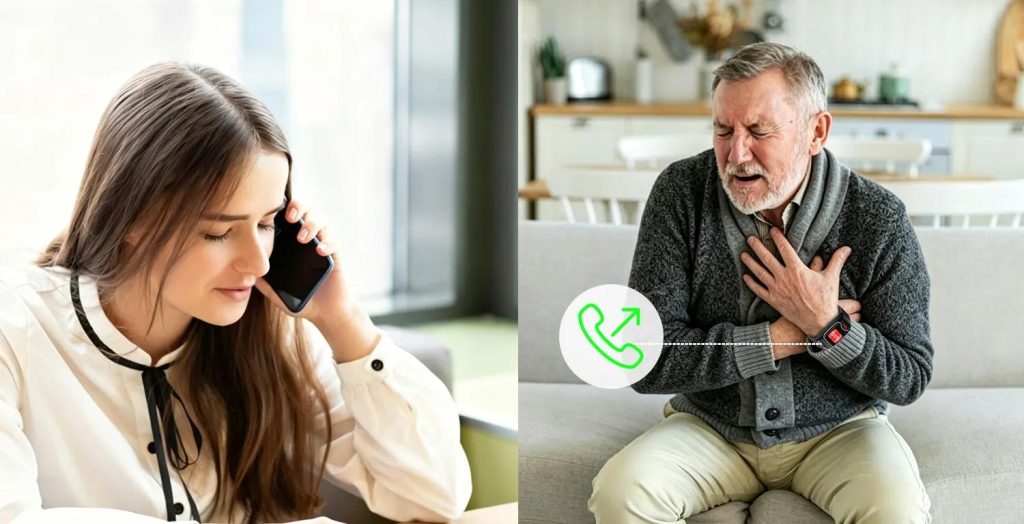
When considering a Cellular Personal Alarm, usability, connectivity, emergency communications, GPS, and battery balancing are critical.
For elderly care brands and telecare providers, the most suitable 4G personal alarm is one that users can operate consistently and that performs reliably within the intended service environment.
JiAi supports B2B customers evaluating cellular wearables and OEM/ODM customization for elderly safety applications.
FAQs
Q1. What is a Cellular Personal Alarm?
A Cellular Personal Alarm is a wearable emergency device that uses a mobile network to send SOS alerts without requiring a nearby smartphone. JiAi manufactures cellular-enabled elderly smartwatches, SOS wristbands, and GPS wearables for B2B elderly care applications.
Q2. Does JiAi offer 4G Personal Alarm devices for elderly care?
Yes. JiAi develops 4G personal alarm wearables designed for elderly safety applications. Available functions depend on the selected model and may include one-touch SOS, GPS positioning, two-way voice communication, and emergency notifications.
Q3. Can JiAi customize Cellular Personal Alarm devices for OEM/ODM projects?
Yes. JiAi supports OEM/ODM Cellular Personal Alarm projects, including logo branding, enclosure design, firmware configuration, SOS functionality, and application integration. Customization feasibility depends on hardware specifications and project requirements.
Q4. Does JiAi provide Cellular SOS Alarms with GPS tracking?
JiAi offers GPS-enabled wearable solutions. Depending on the model, a GPS personal alarm can provide outdoor location tracking, location reporting, and configurable monitoring functions. Indoor positioning capabilities require model-specific verification.
Q5. What is the difference between a 4G SOS wristband and an elderly smartwatch?
A 4G SOS wristband typically emphasizes simple emergency activation with minimal controls. An elderly smartwatch may include a display, additional monitoring functions, and more interactive features. JiAi provides wearable options for different user preferences and care requirements.