
Must-Have Health Features in a Smartwatch in 2026 — Ultimate Guide for Wellness & Fitness

2026-02-09
In 2026, smartwatches have become essential companions in daily life — not just for telling time or receiving notifications but as powerful tools that help users monitor their health and well-being in real time. With an increasing focus on personal wellness, the latest smartwatches pack a wide range of advanced sensors and features that can track everything from heart rhythm to sleep quality, stress levels, and more. Whether you’re a fitness enthusiast, someone managing a health condition, or simply trying to live a healthier lifestyle, choosing the right smartwatch with the right health features can make a real difference.
In this guide, we’ll explore the must-have health features to look for in a smartwatch in 2026 — and explain why they matter for your long-term wellness and fitness goals.
1. Continuous Heart Rate Monitoring (24/7 Tracking)
One of the most basic — yet crucial — health capabilities in any modern smartwatch is continuous heart rate monitoring. This feature uses optical sensors (photoplethysmography, or PPG) to record your heart rate round the clock, helping you understand how your heart responds during workouts, rest, and stress.
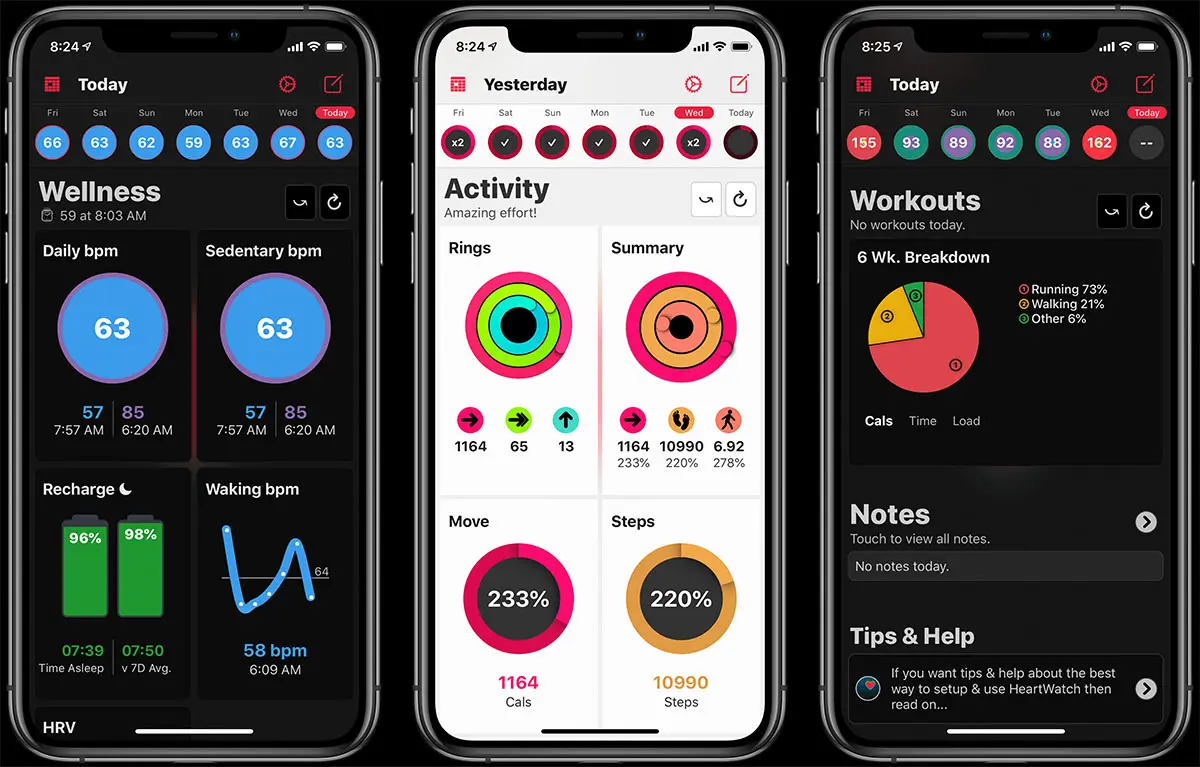
Unlike simple step counters, continuous heart rate monitoring provides dynamic data that can reveal resting heart rate trends, identify unusually high or low rates, and help you optimize training intensity. Many leading devices have taken this further by offering advanced heart metrics such as heart rate variability (HRV), which can indicate stress and recovery status, and real-time alerts for abnormal patterns.
In the 2026 smartwatch landscape, 24/7 heart rate monitoring is no longer optional — it’s expected for meaningful health insights.
2. Electrocardiogram (ECG) Support
The ability to perform an electrocardiogram (ECG/EKG) directly on a wristwatch marks a significant leap in wearable health tech. Unlike basic heart rate tracking, ECG captures the electrical activity of your heart and can help detect irregular rhythms such as atrial fibrillation (AFib), which can be a risk factor for serious cardiovascular issues.
Smartwatches with ECG functionality allow users to take on-demand readings and often sync results with a companion app for sharing with healthcare providers. In usage scenarios where detecting early signs of heart irregularities is critical, ECG support offers valuable peace of mind and actionable data.
As of 2026, this feature — once reserved for premium devices — has started appearing across mid-range models, making advanced heart diagnostics more accessible to everyday users.
3. Blood Oxygen (SpO₂) Monitoring
Another essential health metric in 2026 smartwatches is blood oxygen saturation (SpO₂) monitoring. This feature measures how much oxygen is present in your blood — important for understanding respiratory function and overall vitality.
SpO₂ monitoring became mainstream during the pandemic era but continues to play an important role in wellness, especially for people who track respiratory conditions, altitude performance, or general health trends over time. A stable and optimal SpO₂ level typically indicates good cardiovascular and respiratory efficiency, while sustained drops may prompt users to seek medical guidance.
4. Advanced Sleep Tracking and Analysis
Sleep is arguably one of the most important pillars of health, and smartwatches have gotten incredibly better at tracking it in recent years. In 2026, many leading models analyze not just duration but sleep stages such as light, deep, and REM sleep, helping users understand sleep quality and patterns.
Improved sleep metrics may also include sleep consistency, detecting patterns over weeks and months, and offering personalized advice to optimize rest. When linked to other metrics like heart rate and stress, this data becomes a powerful tool to improve overall wellness.
For individuals struggling with poor sleep or irregular schedules, advanced sleep insights can help identify behavioural changes that lead to better health outcomes.
5. Stress and Recovery Insights
Stress impacts both physical and mental health. Modern smartwatches now use biometric data — such as heart rate variability and respiration rate — to estimate stress levels throughout the day.
Combined with guided breathing tools, real-time notifications, and recovery scoring systems, this feature helps users recognize high-stress periods and adopt wellness practices like meditation or intentional rest. Today’s health watches can even provide personalized recovery suggestions based on your body’s response to sleep, activity, and rest.
These context-aware health insights allow users to better balance workload, fitness goals, and rest — making the smartwatch not just a tracker, but a well-being coach on your wrist.
6. Fitness & Activity Tracking with Personalized Goals
Tracking physical activity beyond simple step counts is a must-have in 2026. Smartwatches now monitor a wide range of activity metrics, including total steps, calories burned, distance traveled, and workout intensity.
More advanced models also offer metrics like VO₂ max, pace, cadence, and training load, which are especially useful for athletes or serious fitness enthusiasts. GPS integration — whether standalone or paired with your phone — enables precise route tracking, which is key for outdoor runs, cycling, and hikes.
Many smartwatches now include built-in algorithms that analyze movement data to suggest personalized goals and incremental improvements. Rather than simply counting steps, these devices help you optimize your fitness routine based on performance trends and recovery status.
7. Women’s Health Tracking
Tracking menstrual cycles and reproductive health has become a standard offering in top smartwatch health suites. Especially in 2026, these features now include cycle prediction, fertility insights, and symptom logging, helping users better understand hormonal health as part of their overall wellness routine.
By integrating health data with lifestyle metrics like sleep, activity, and stress, smartwatches provide deeper insights that can assist with planning, tracking patterns, and making informed decisions about personal wellness.
8. Body Composition and Wellness Metrics
Leading smartwatches are now going beyond traditional metrics to include insights like body composition, hydration levels, environmental sleep conditions, and nutrient tracking guidance. Some devices even estimate body fat percentage and metabolic metrics, bringing more comprehensive health awareness to users without the need for separate medical devices.
These advanced biomarkers allow users to see how lifestyle factors — from diet to exercise — affect their overall health in a more nuanced way.
9. Long-Term Trend Analysis & AI-Driven Health Insights
The latest generation of smartwatches increasingly leverages artificial intelligence (AI) and machine learning to analyze health trends over time. These systems can detect subtle shifts in metrics like heart rate, sleep, and activity, then offer customized suggestions to improve health outcomes.
Rather than offering raw data alone, AI-driven analytics help interpret patterns and empower users to make actionable improvements. This trend is rapidly shaping the future of personalized wellness tech — making smartwatches far more than just gadgets, but daily health partners.
10. Emergency & Safety Features
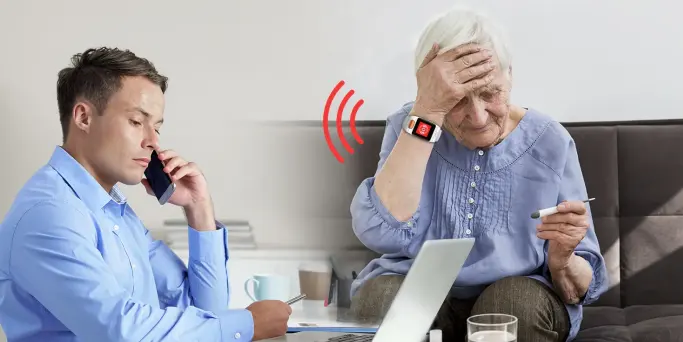
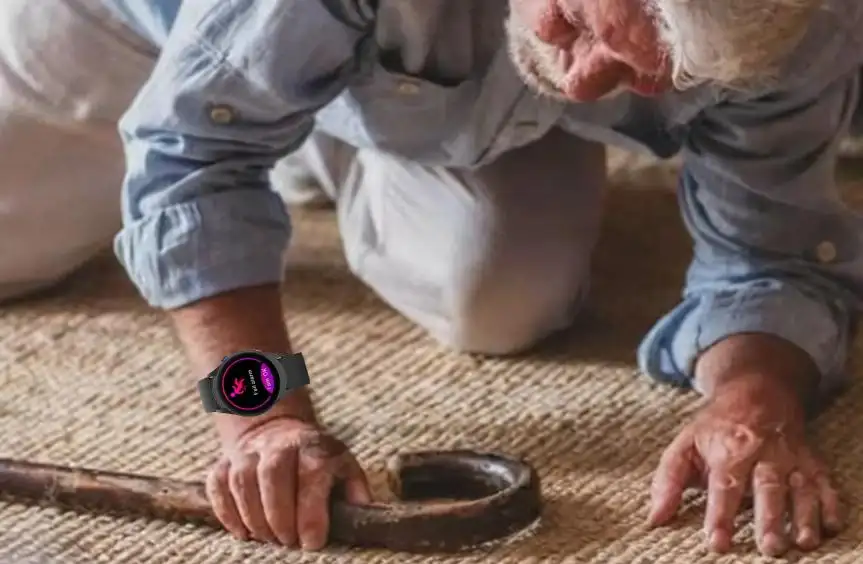
Health tech in smartwatches also includes safety functions that can be critical in emergencies. Features like fall detection, SOS alerts, and automatic crash detection are increasingly common — especially in devices targeting users with higher risk profiles or older adults. These capabilities can automatically send alerts to emergency contacts or services, providing an added layer of protection.
Conclusion: A Health-Focused Smartwatch in 2026 is a Wellness Hub
In 2026, smartwatches have evolved into powerful health tools that go well beyond timekeeping and notifications. From constant heart rate monitoring to advanced physiological analysis, they give users actionable insights into their health and lifestyle. Finding a smartwatch with the right mix of features depends on your personal goals — whether that’s better sleep, improved fitness performance, or proactive health monitoring.
By understanding the core health features highlighted in this guide, you can confidently choose a device that truly supports your wellness journey — turning every wrist glance into meaningful health awareness.