
Seamless Smartwatch Hospital Integration for Advanced Patient Care

2025-07-29

The phrase smartwatch hospital integration has shifted from buzzword to business case. As hospitals race to digitise care, wearable data is rapidly becoming a primary source of real-time clinical insight. Eight out of ten U.S. hospitals already employ wearables for hospital remote monitoring - proof that integration is now mainstream rather than experimental. For JiAi Intelligent Technology, this trend is more than statistics; it is the engine driving our design decisions, cloud architecture and service ethos. By blending bedside vitals with wrist-based metrics, we give clinicians a panoramic view of every patient in less time than it takes to open a chart.
API & SDK: The Technical Backbone
Behind every successful smartwatch hospital integration lies a powerful combination of an elderly smartwatch API and a health management system SDK. These two elements must “speak” the same digital language to ensure seamless communication between hospital platforms and wearable devices. For hospitals, the difference between a reliable integration and a frustrating rollout often comes down to the quality and flexibility of these interfaces.
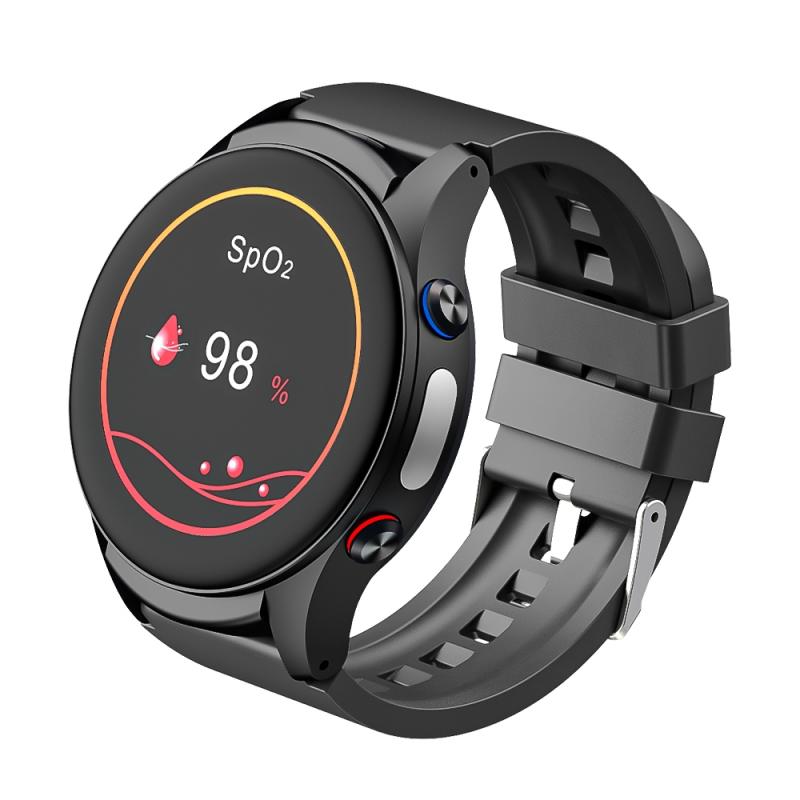
Our elderly smartwatch API provides direct access to real-time health metrics such as heart rate curves, fall detection events, GPS coordinates, blood oxygen levels, and even battery status. This data is transmitted in milliseconds, ensuring that triage dashboards and electronic health record (EHR) systems receive immediate updates.
✅Granular, real-time payloads - Detailed raw and processed data enables healthcare teams to move beyond basic alerts. For example, a sudden dip in heart rate can trigger both an on-screen warning and an automated text alert to the cardiology team.
✅Scalability by design - Our cloud-based architecture has been load-tested to handle thousands of concurrent smartwatch connections without compromising performance, even during critical events like code-blue emergencies.
✅Cross-platform agility - The SDK integrates smoothly with Android and iOS environments, allowing hospital developers to embed wearable data into existing systems with minimal coding. Dual operating systems, such as Mocor RTOS and companion apps, ensure flexibility across both inpatient and outpatient care platforms.
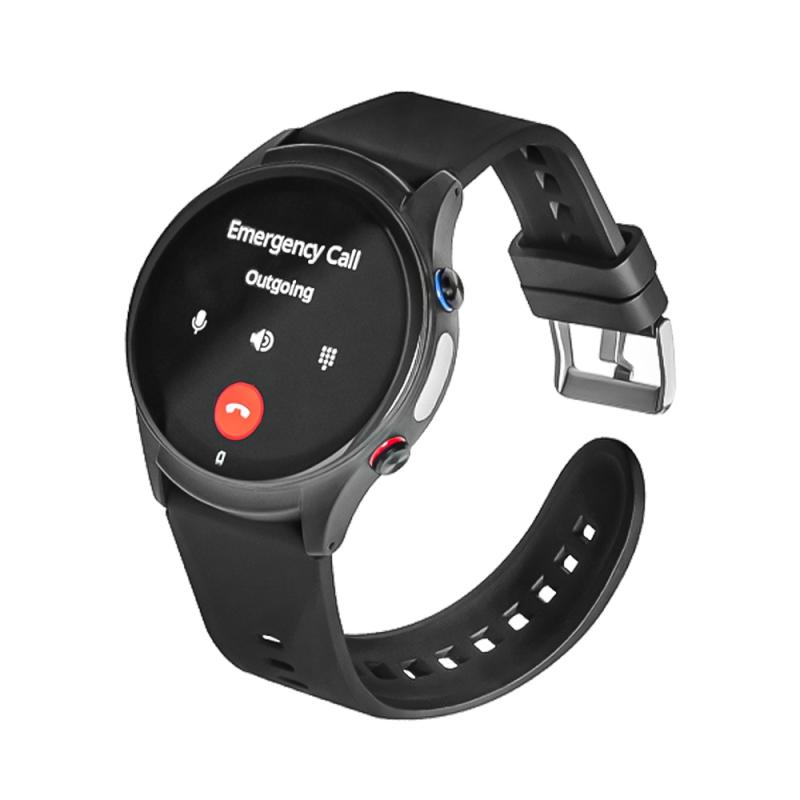
Hospitals benefit from this level of compatibility because many EHR vendors are moving toward open API standards, making wearable data integration faster and less costly. When paired with a well-documented health management system SDK, developers can build custom dashboards that align with clinical workflows, ensuring that data isn't just collected - it's actionable.
Data Sharing & Security
When it comes to handling sensitive health data, smartwatch data security is non-negotiable. Any pipeline transmitting Protected Health Information (PHI) must be designed with end-to-end security in mind, from the moment a sensor records data to the point it's stored in the hospital's servers.
Encryption in motion and at rest is essential. All data is encrypted using TLS 1.3 protocols during transmission and AES-256 encryption during storage, whether in the cloud or on-premises systems.
Consent management is another crucial factor. Our devices are built with consent protocols that allow hospitals to control which data points are visible to family caregivers and which remain restricted to clinical staff. This aligns with HIPAA and GDPR requirements, protecting patient privacy at all times.
Role-based access controls provide additional layers of protection, ensuring that an ICU nurse, for instance, can see a patient's vital trends, while an outpatient pharmacist might only access medication reminders.
Continuous hardening of the system is achieved through quarterly penetration testing and firmware updates with secure digital signatures. This proactive approach ensures the hospital remains one step ahead of cybersecurity threats.
It's no surprise that hospitals often cite security assurance as the deciding factor before approving a large-scale hospital remote monitoring rollout.
Real-World Application Scenarios
Practical use cases illustrate how smartwatch hospital integration changes daily operations:
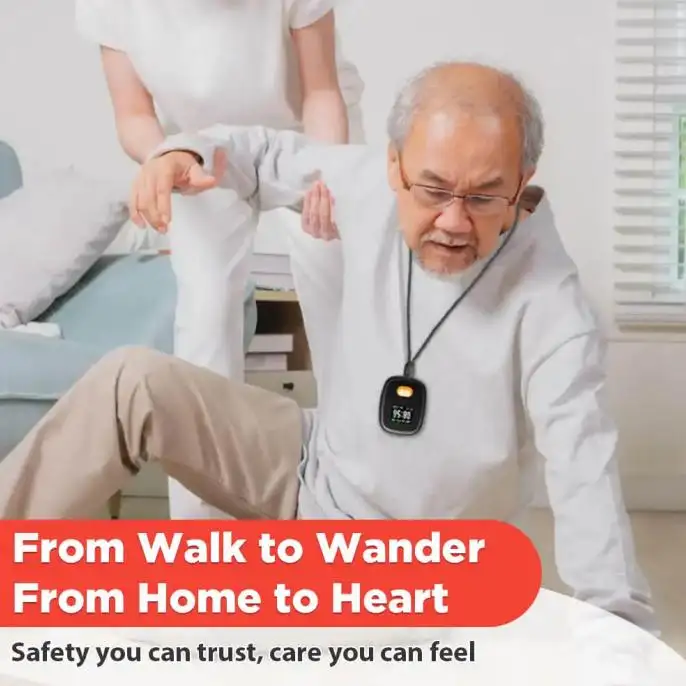
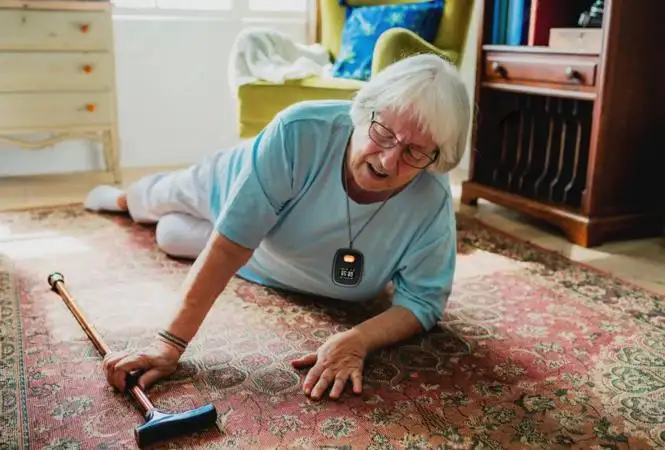
•Instant Fall Alerts - When the smartwatch detects a fall, an immediate alert is displayed on the nurse's station screen, helping staff respond within seconds rather than minutes.
•Cardiac Rhythm Surveillance - Continuous ECG monitoring can flag irregular heartbeats or arrhythmias, automatically notifying cardiologists via connected apps.
•Rehab Mobility Scores - GPS and motion sensors track patients' walking distances post-surgery, providing physiotherapists with objective recovery data.
•Post-Discharge Follow-Up - Even after patients leave the hospital, wearable data streams into the health management system, allowing doctors to adjust treatment plans based on real-world activity and vital signs.
•Family Peace-of-Mind - The elderly smartwatch API securely shares select health metrics with family members, offering transparency and reassurance.
Such use cases have been proven to reduce readmissions and improve patient satisfaction scores, creating value for both hospitals and patients.
Benefits Beyond Monitoring
Integrating smartwatches into hospital systems goes far beyond basic health tracking. It builds a foundation for smarter, faster, and more personalised healthcare:
✅Faster clinical response due to automated real-time alerts.
✅Reduced manual charting, giving nurses more time for direct patient care.
✅Data-rich insights to support precise diagnoses and better treatment planning.
✅Scalable infrastructure that grows into a full hospital remote monitoring network across departments.
✅Improved patient engagement, encouraging patients to actively participate in their recovery.
The wearable healthcare market is booming, with analysts projecting over 18% annual growth for remote-monitoring devices through 2033. This growth signals both the demand and the long-term ROI hospitals can expect when embracing integration.
Choosing the Right Partner
Not every smartwatch manufacturer can deliver a truly seamless integration experience. When evaluating potential partners, hospitals should look beyond technical specifications:
- Start small, scale smart - Pilot projects help identify workflow bottlenecks before investing in a hospital-wide rollout.
- Evaluate developer support - A robust health management system SDK with rich documentation, sandbox environments, and responsive technical support ensures smooth onboarding.
- Look for transparent upgrade paths - Over-the-air firmware updates (FOTA) keep devices secure and compliant without requiring manual intervention.
- Prioritise durability and reliability - Battery performance, casing materials, and global GPS coverage are all critical for continuous patient care.
At JiAi Intelligent Technology, we collaborate closely with hospital IT teams and biomedical engineers to design solutions that feel like natural extensions of existing healthcare workflows, rather than disruptive add-ons.
Conclusion: From Data to Action
When wrist-level insights flow seamlessly into hospital dashboards, numbers turn into knowledge - and knowledge into lifesaving actions. Robust APIs, privacy-first design and agile roll-out plans convert raw data streams into everyday clinical value. For geriatric wards, rehabilitation centres or community clinics, smartwatch hospital integration is the bridge between precision monitoring today and predictive medicine tomorrow.
Call to Action
•Ready to elevate your HMS with secure, senior-centric wearables?
•Contact JiAi Intelligent Technology for a live API demo, proof-of-concept kit, or a bespoke roadmap to full-scale hospital remote monitoring. Together, we'll transform every heartbeat into actionable care.