
Smartwatch for Seniors Tokyo Japan | Health Monitor

2025-10-07
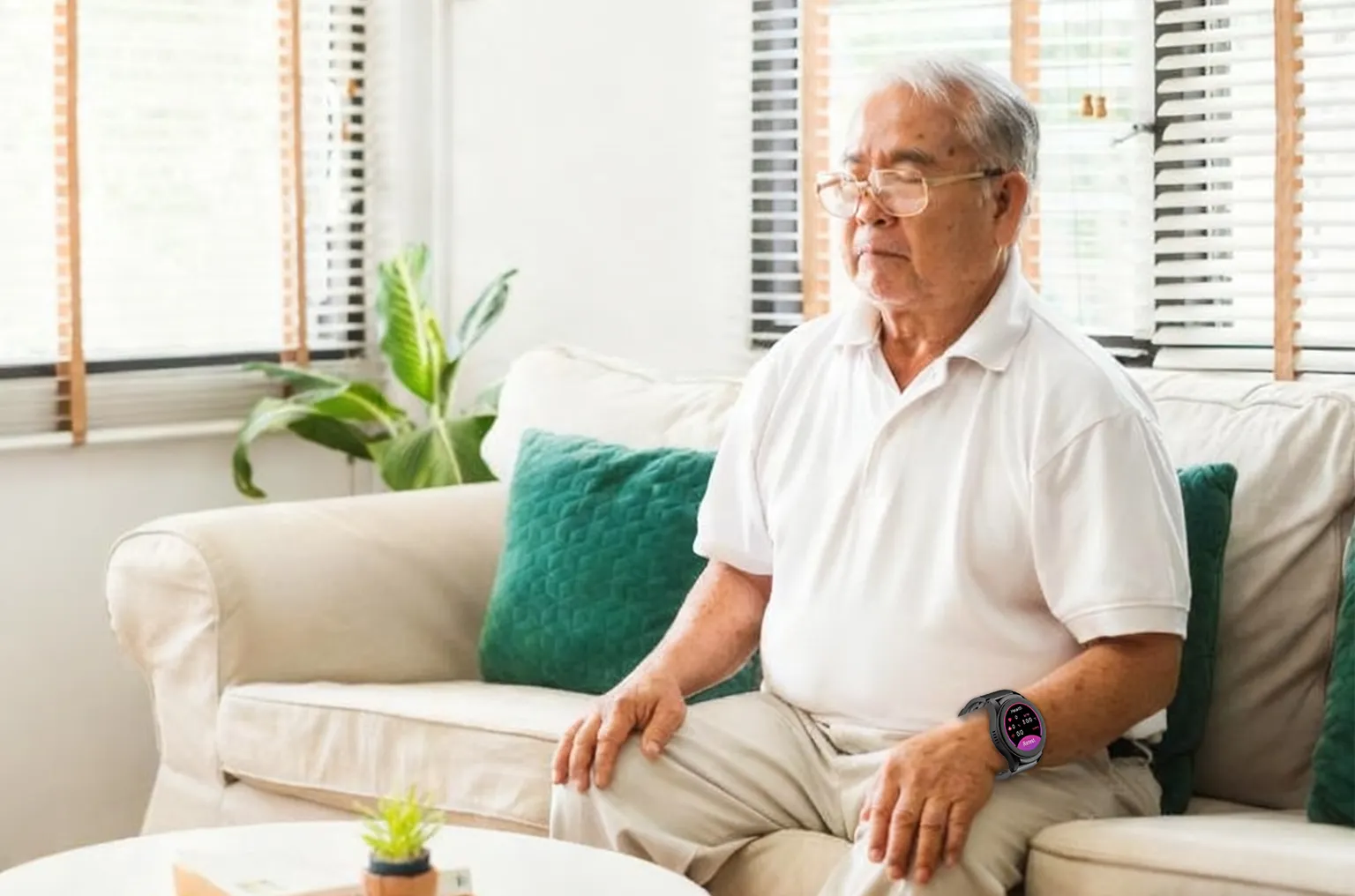
A smartwatch for seniors in Tokyo, Japan, is a sophisticated health monitor and safety device, meticulously designed to meet the needs of one of the world's most advanced and rapidly aging societies. In a nation that values precision, reliability, and the well-being of its elders, this technology offers a perfect blend of proactive health tracking and immediate emergency response. For the senior resident of Tokyo ("kōreisha"), this watch is more than a gadget; it is a tool for maintaining an active, independent lifestyle with "anshin," or peace of mind, in the heart of a bustling metropolis.
The "Mimamori" Concept: A Modern Tool for a Timeless Value
At the heart of the Japanese approach to senior care is the concept of "mimamori," which translates to "watching over" or "caring for." It reflects the deep cultural value of ensuring the well-being of family members, especially the elderly. A senior smartwatch is the embodiment of "mimamori" for the 21st century.
Supporting Japan's Super-Aged Society
Japan is the world's first "super-aged society," with a higher proportion of older adults than any other nation. This demographic reality has made technology-assisted independent living not just a convenience, but a national priority. A smartwatch empowers seniors to continue living in their own homes safely for longer. It provides a scalable, reliable safety net that supports their autonomy while addressing the societal need for efficient senior care solutions.
Digital "Anshin" for Families
"Anshin," or peace of mind, is a highly prized state of being in Japanese culture. For adult children who may live and work in different parts of Tokyo's vast urban sprawl, or even in other prefectures, a senior smartwatch provides exactly that. Through a companion app on their smartphone, they can receive alerts, check on their parent's location, and be assured of their daily activity levels. This remote "mimamori" capability alleviates the constant worry that can come with caring for an aging parent from a distance.
Independence Through Technology
In Japan, a senior smartwatch is not viewed as a medical alarm that signifies frailty. Instead, it is seen as a modern tool of empowerment. It is a discreet, high-tech accessory that enables seniors to confidently continue their active and engaged lives. They can take the train, participate in community centre activities, and walk through their neighbourhoods, knowing that they have an immediate and reliable connection to help if they ever need it.
A Proactive Approach to Health: The Smartwatch as a Health Monitor
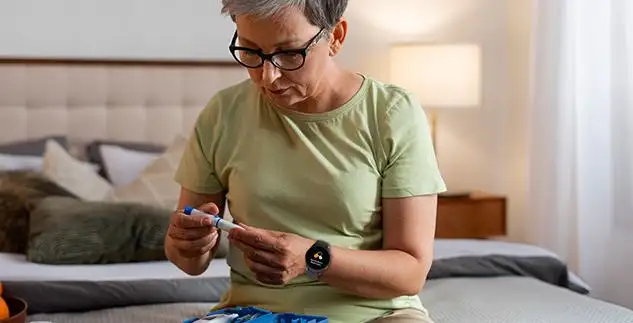
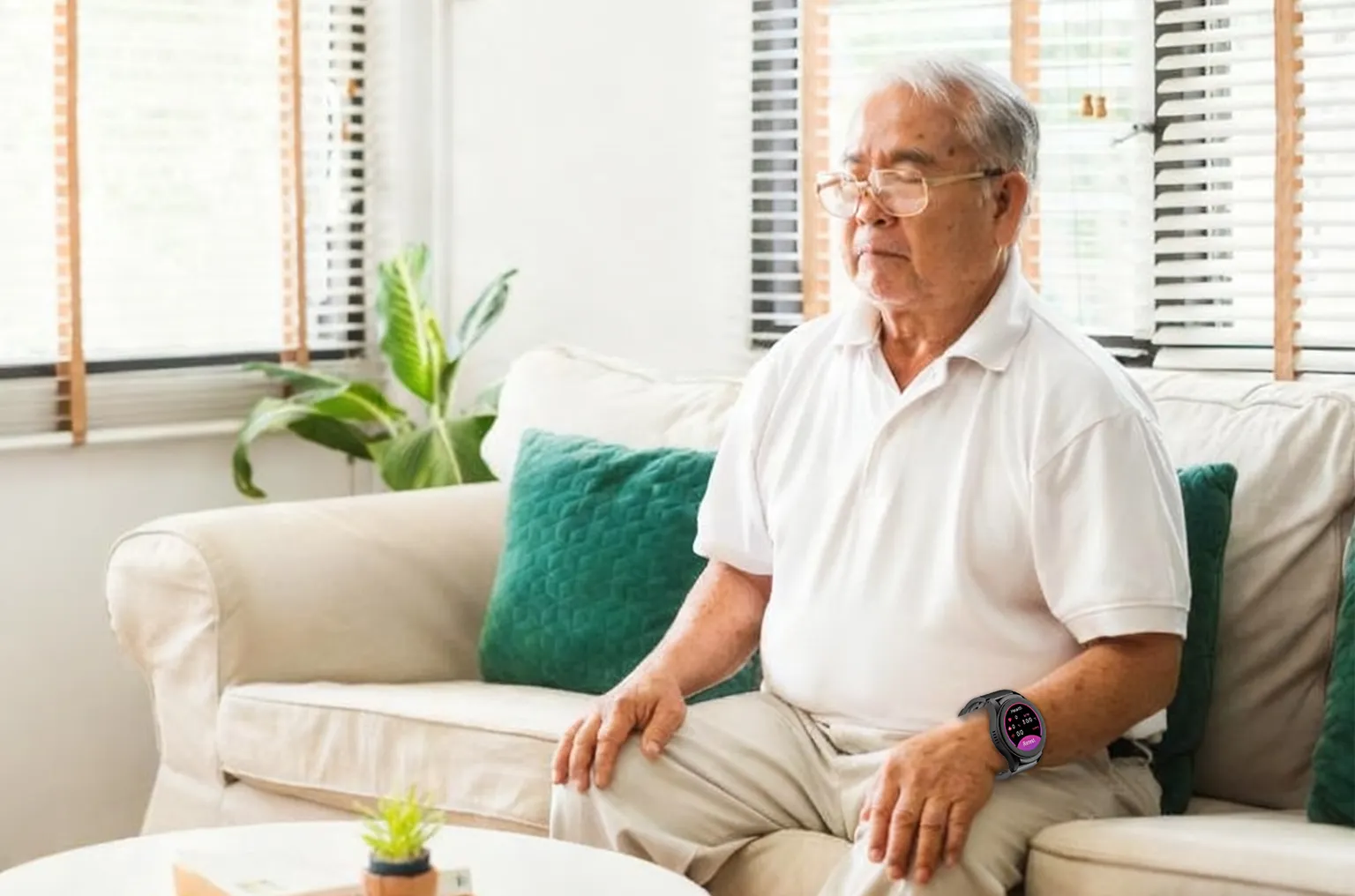
The title's focus on "Health Monitor" is particularly relevant in Japan, a nation with a strong culture of proactive health management and regular check-ups. A modern senior smartwatch is an exceptional tool for daily wellness tracking.
Comprehensive Vital Signs Tracking
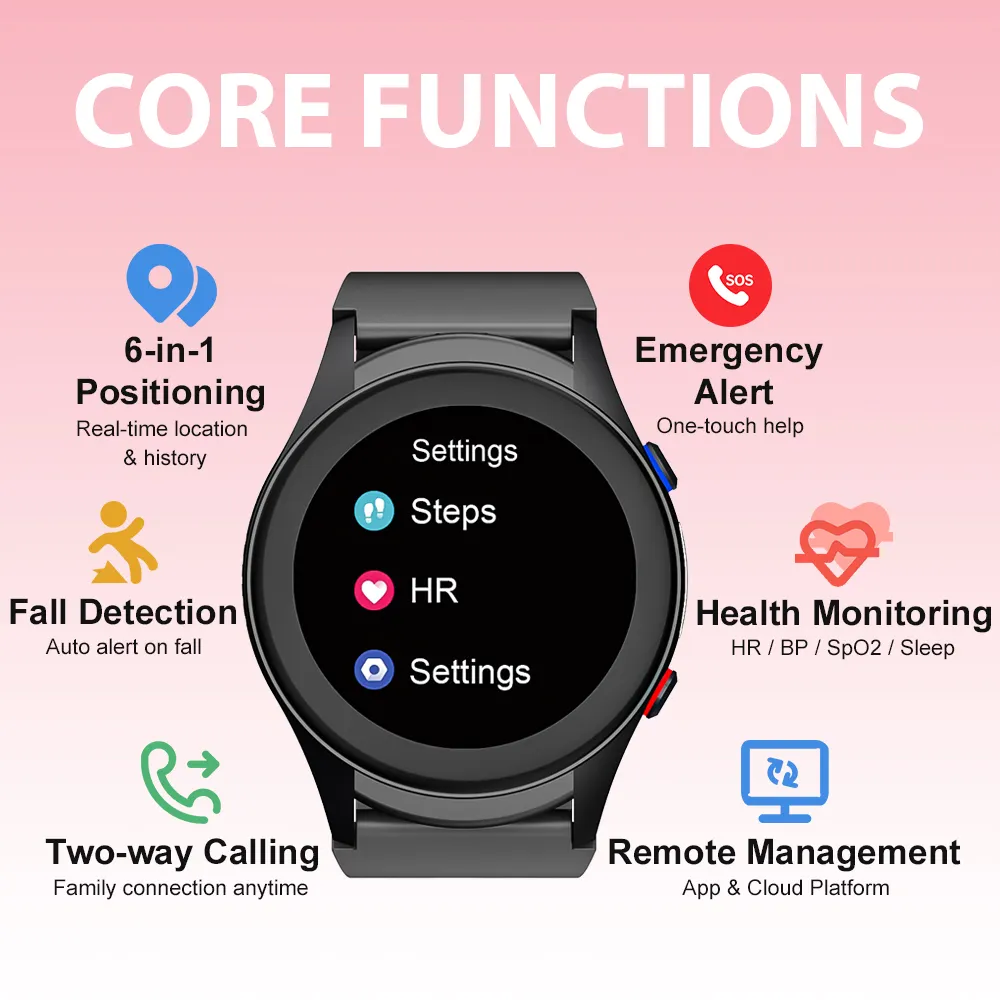
The most advanced devices offer a suite of health monitoring functions that provide a detailed picture of the user's well-being. These often include:
- Continuous Heart Rate Monitoring: To track the heart's rhythm and exertion levels throughout the day.
- Blood Pressure Trend Monitoring: While not a medical-grade cuff, it can track trends in blood pressure over time.
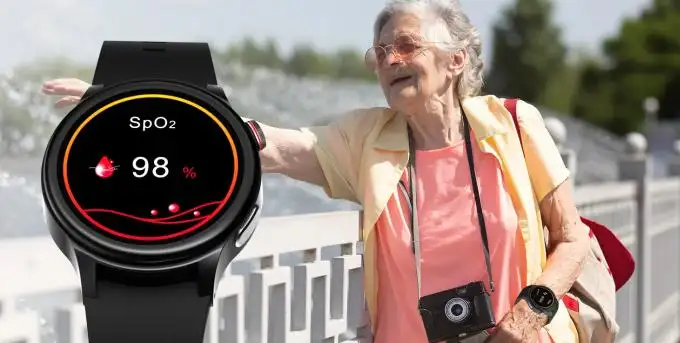
- SpO2 (Blood Oxygen) Monitoring: Measures the oxygen saturation level in the blood, a key indicator of respiratory health.
- Detailed Sleep Analysis: Tracks the duration and quality of different sleep stages (light, deep, REM) to help improve rest.
- Body Temperature Tracking: Can provide early indications of illness by monitoring for changes in skin temperature.
Encouraging an Active Lifestyle in Tokyo
Tokyo's seniors are remarkably active, often relying on walking and the city's world-class public transport system. A smartwatch encourages this healthy mobility by tracking daily steps, distance covered, and active minutes. Seeing these metrics can be a powerful motivator to take that extra walk through a local park like Ueno Park or to choose the stairs instead of the escalator at a busy station like Shinjuku. This gentle encouragement helps maintain strength and balance, which is a key factor in fall prevention.
Data for Health Check-ups ("Kenkou Shindan")
Regular health check-ups are a standard part of life in Japan. The data collected by a smartwatch can be an incredibly valuable supplement to these appointments. A senior can show their doctor trends in their heart rate, blood pressure, and sleep patterns over weeks or months. This provides the doctor with a much richer, real-world dataset than what can be gathered in a brief consultation, leading to more informed and personalised healthcare advice.
Navigating Tokyo with Confidence: Key Safety Features
While health monitoring is proactive, the watch's core safety features are reactive, designed to provide an immediate response in an emergency.
GPS for the World's Most Complex Metropolis
A GPS watch is an essential tool for navigating Tokyo. The city's train and subway network is the most extensive in the world, and it can be easy to get disoriented. The watch's integrated GPS provides real-time location tracking, allowing family members to see a loved one's location and provide assistance if they take a wrong turn. The need for a reliable elderly GPS watch in Seoul, with its own vast and complex subway system, is perfectly mirrored by the need for one in Tokyo's equally challenging transit environment.

The One-Touch SOS Button for Immediate Help
In a city with a metropolitan population of over 37 million, getting immediate attention during an emergency is crucial. The one-touch SOS button provides a simple, direct line to help. A long press connects the user to a 24/7 monitoring centre, and the alert is automatically sent with their GPS location. The effectiveness of this simple alert system in a dense, modern city is why a senior SOS watch in Singapore provides the same critical lifeline for a senior in a bustling Tokyo ward.
Automatic Fall Detection for Peace of Mind at Home
With a high number of seniors living alone in apartments across Tokyo, the risk of a fall at home is a major concern. Automatic fall detection uses sensors to identify a heavy fall and will trigger an alert if the user is unresponsive. This passive safety net provides protection for the most serious of emergencies. While Tokyo is an incredibly safe city, the risk of a fall at home is universal, making a fall detection senior watch, a key tool in Manila, a vital source of automatic protection in Tokyo as well.
Advantages and Considerations of a Senior Smartwatch
Like any technology, a senior smartwatch comes with a range of benefits and some practical considerations that users and their families should be aware of.
Advantages (Pros)
- 24/7 Safety Net: It provides a constant, wearable connection to emergency help, offering a level of security that a phone in a pocket cannot match.
- Promotes Independence: The device empowers seniors to continue living active, independent lives with a greater sense of confidence.
- Provides Family Peace of Mind: The remote "mimamori" features, including GPS tracking and alerts, are invaluable for reassuring family caregivers.
- Proactive Health Monitoring: It encourages a healthier lifestyle and provides valuable data for managing personal well-being.
- Discreet and Modern Design: Modern devices look like stylish watches, not clinical medical alarms, which is important for user dignity and encourages consistent wear.
Considerations (Cons)
- Requires Daily Charging: To be effective, the watch's battery must be charged every day or two. This requires establishing a consistent routine.
- Monthly Subscription Fee: The 24/7 monitoring service and the watch's independent cellular connection require an ongoing monthly fee.
- Reliance on Cellular Signal: The watch's ability to make calls depends on the availability of a mobile network signal, which can be weak in some deep underground subway tunnels or very remote areas.
- Learning Curve for Some Users: While designed to be simple, some seniors may require initial assistance from family to set up the device and learn its basic functions.
Choosing the Right Smartwatch in Japan
Selecting the right device for a senior in Japan involves paying close attention to language, network compatibility, and the quality of the support services.
The Non-Negotiable Japanese Language Interface
This is the most critical factor. The entire user experience—from the on-screen menus and alerts on the watch to the companion smartphone app and all instructional materials—must be in flawless, native-level Japanese. An English-only or poorly translated interface is not a viable option and will only lead to confusion and a lack of trust in the device.
Checking Compatibility with Japanese Mobile Networks
The watch's standalone connectivity depends on a partnership with a local mobile network. It is essential to choose a device and service that is certified to work on one of Japan's major carriers, such as NTT Docomo, SoftBank, or au by KDDI. NTT Docomo, in particular, is often favoured for its extensive nationwide coverage.
The Importance of a Readable Display
Even in a highly tech-literate society, visual clarity is key to a good user experience. A bright, high-contrast screen with a large, clear font ensures that seniors, who may have age-related vision changes, can read the display effortlessly. The universal principle that a large-font senior watch in Mumbai is essential for readability in its environment applies equally in Tokyo, where clarity equals a stress-free experience.
Understanding the Monitoring Service
When choosing a device with a professional monitoring service, it is vital to ensure the centre is staffed 24/7 by fluent Japanese-speaking operators. These operators must be trained to coordinate efficiently with local Japanese emergency services, using the national emergency number (119) and communicating clearly with police and ambulance dispatchers.
"Anshin" Through Innovation for Japan's Seniors
A smartwatch for seniors in Tokyo, Japan, is more than just a piece of technology; it is a meticulously designed health monitor and safety device that aligns perfectly with the nation's cultural values and demographic needs. It provides the "mimamori" that families desire and the "anshin" that seniors deserve. By combining proactive health tracking with a robust, reliable emergency alert system, it empowers Japan's older generation to navigate their lives with independence, dignity, and unparalleled peace of mind. For a broader look at how this technology is being adopted across the continent, consider this complete guide to senior smartwatches in Asia.