
Low Power Design in Wearables: Extending Battery Life in Elderly Smartwatches

2025-10-27

Battery life remains one of the most critical factors in the usability of elderly smartwatches. Unlike general consumer wearables, devices for seniors must operate reliably for long periods without frequent charging. Seniors often forget or struggle to recharge devices daily, which increases the risk of downtime during emergencies. This is why low power design in wearables has become a core focus in the OEM/ODM smartwatch industry. Through optimized hardware and firmware strategies, manufacturers are developing energy-efficient smartwatches that balance performance, functionality, and battery longevity.
At JiAi Intelligent Technology, we build for trust first. In our experience, low power design in wearables is the single biggest lever for trust because seniors depend on their smartwatch to call for help, share location, and track vital signs. When every milliamp is planned, tested, and conserved, devices last longer, feel simpler, and perform reliably - without asking users to change their daily habits. That's the promise behind our energy-efficient wearables: practical engineering that keeps the experience effortless while extending runtime in the real world.
Why Battery Life Matters in Elderly Smartwatches
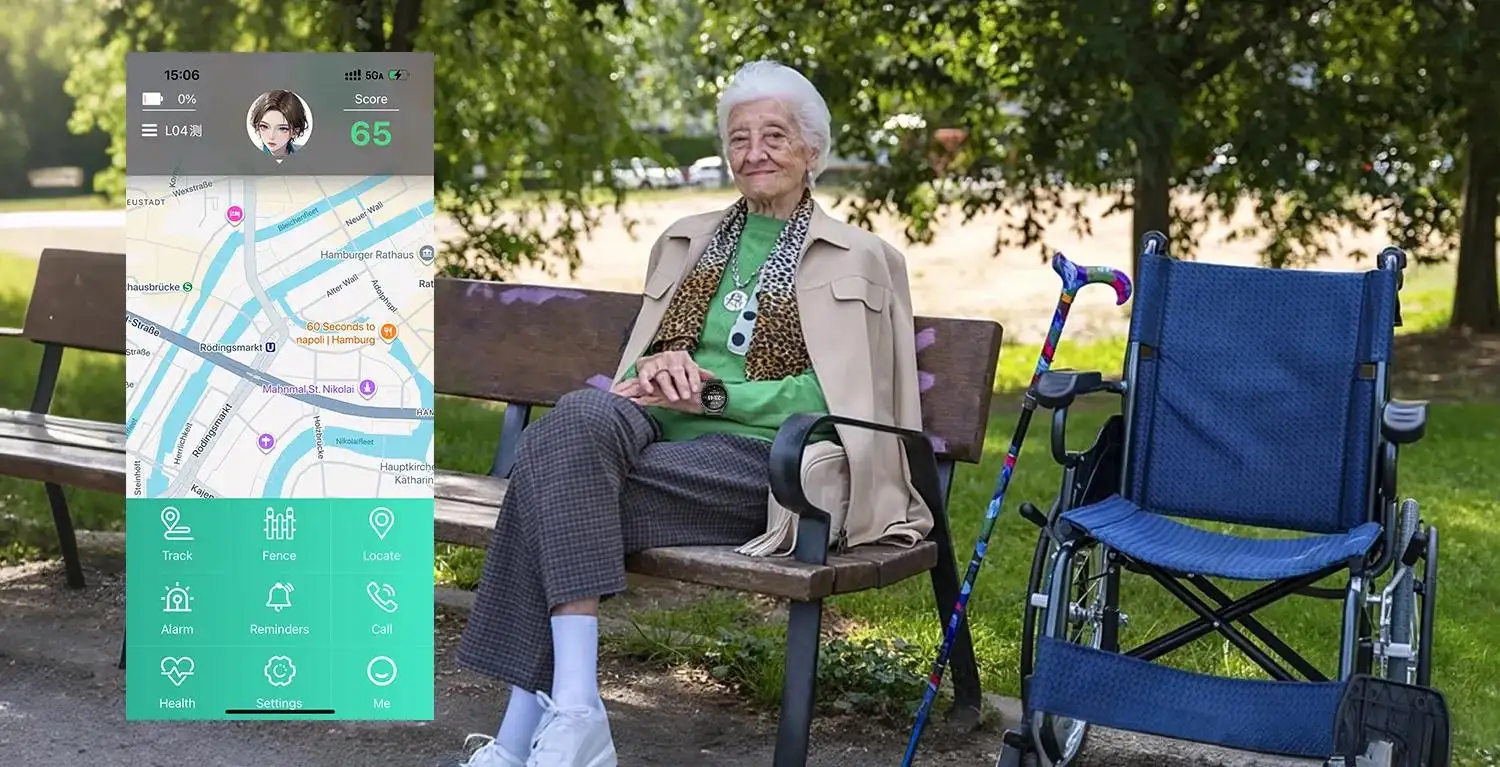
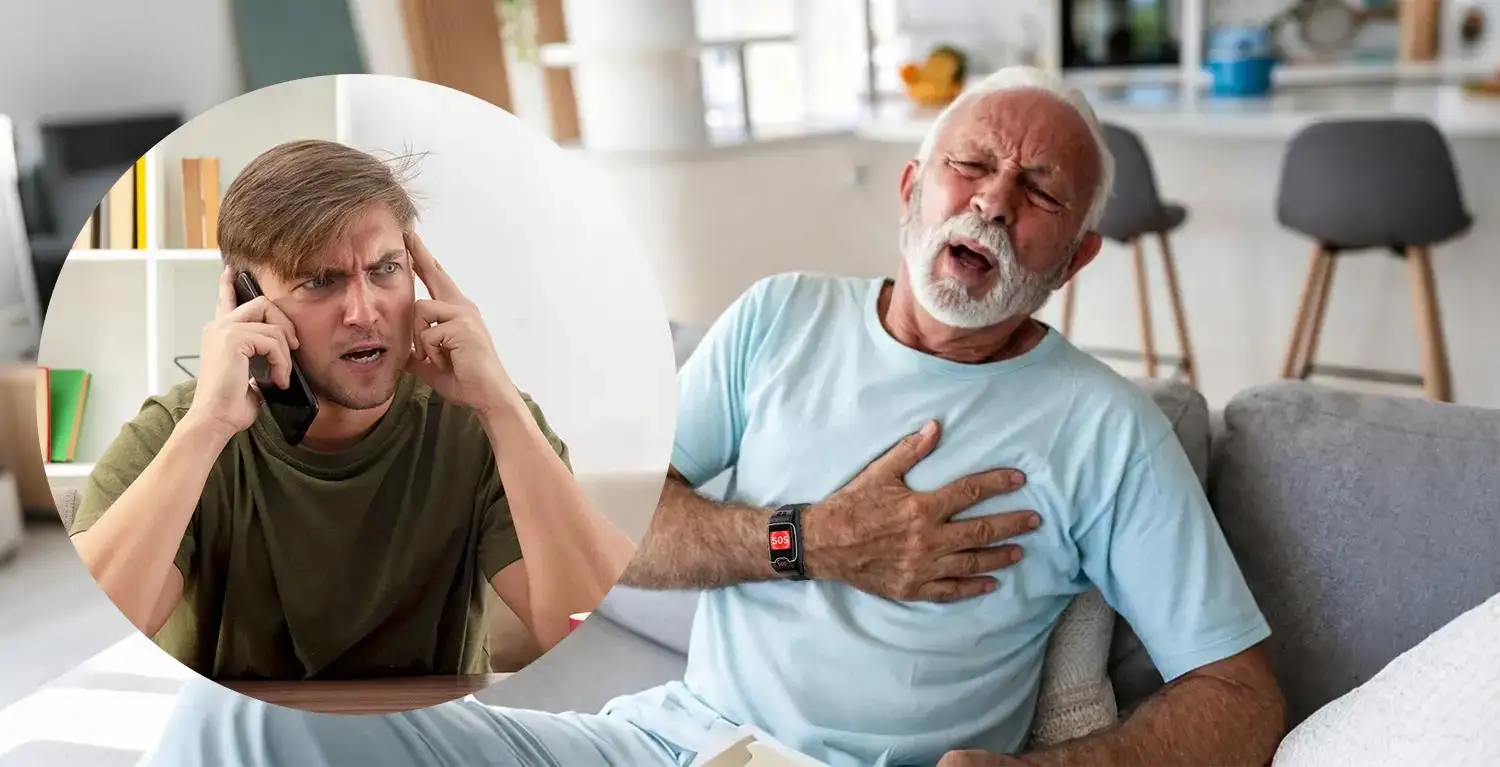
For older adults, long elderly smartwatch battery life is not a nice-to-have; it's core to safety. If a device powers off, fall detection pauses, SOS alerts cannot send, and caregivers lose visibility. Charging fatigue is real as well. Many seniors forget the charger on a counter or struggle with small connectors. A watch that lasts days - rather than hours - stays on the wrist and stays useful.
Longer runtime also helps professionals. In care facilities, fewer charge cycles mean fewer device swaps and less staff time lost to maintenance. Consistent uptime generates cleaner data, creating clearer wellness trends for clinicians. This is why we pair power-saving IoT devices with practical UX: large type, high contrast screens, and predictable flows that reduce wake time and shorten interactions. The result is simple - people wear the device more, and the device delivers more.

Key Low Power Design Strategies
Our OEM ODM smartwatch design playbook focuses on efficiency from the silicon to the screen, then finishes the job in firmware. Each choice compounds the next, turning small savings into days of additional use.
- Hardware That Starts Efficient
We begin by choosing SoCs with ultra-low idle current, integrated radios, and deep sleep modes that really sleep. Cellular and GNSS modules are tuned for standby behavior and adaptive paging, so connectivity is ready without constant drain. Power rails, PMIC settings, and board layout are validated together to cut leakage at the edges - not just in the headline specs.
- Firmware That Works Only When Needed
Our software strategy is event-driven. Tasks wake for a reason, finish quickly, and return to sleep. Heart-rate sampling steps up during motion and steps down at rest; GPS runs on schedules or geofence triggers, not continuously. We scale clocks and voltages to workload, batch network packets, and compress payloads so radios stay off longer. When the battery is low, the watch can automatically shift to a protection profile that preserves SOS and location while pausing non-critical extras.
- Displays That Respect the Battery
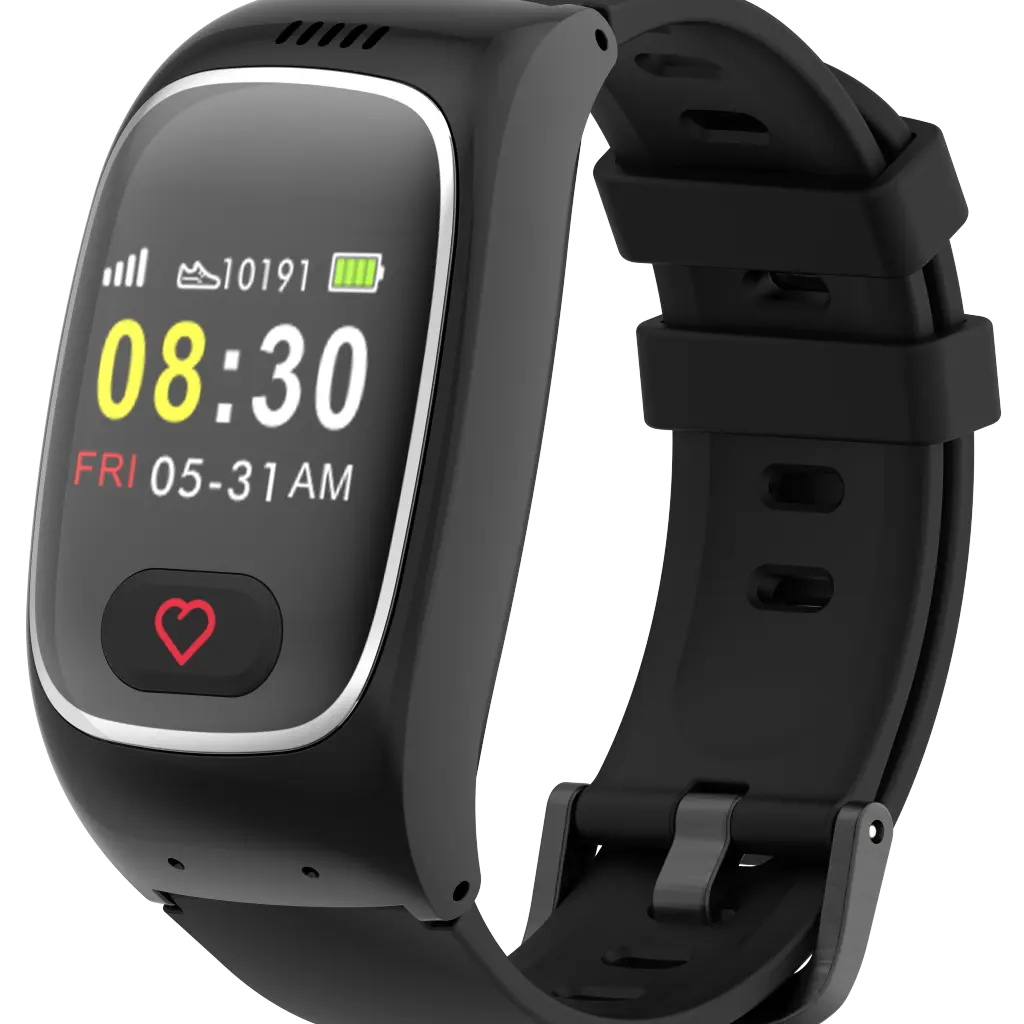
Readability and endurance are not opposites. We use display tech - transflective LCD or OLED - matched to the environment. Adaptive brightness, strong contrast, and restrained animations reduce screen-on time. Fewer taps and larger UI elements help seniors complete tasks quickly, which quietly saves energy every single day.
- Batteries and Charging That Fit Real Life
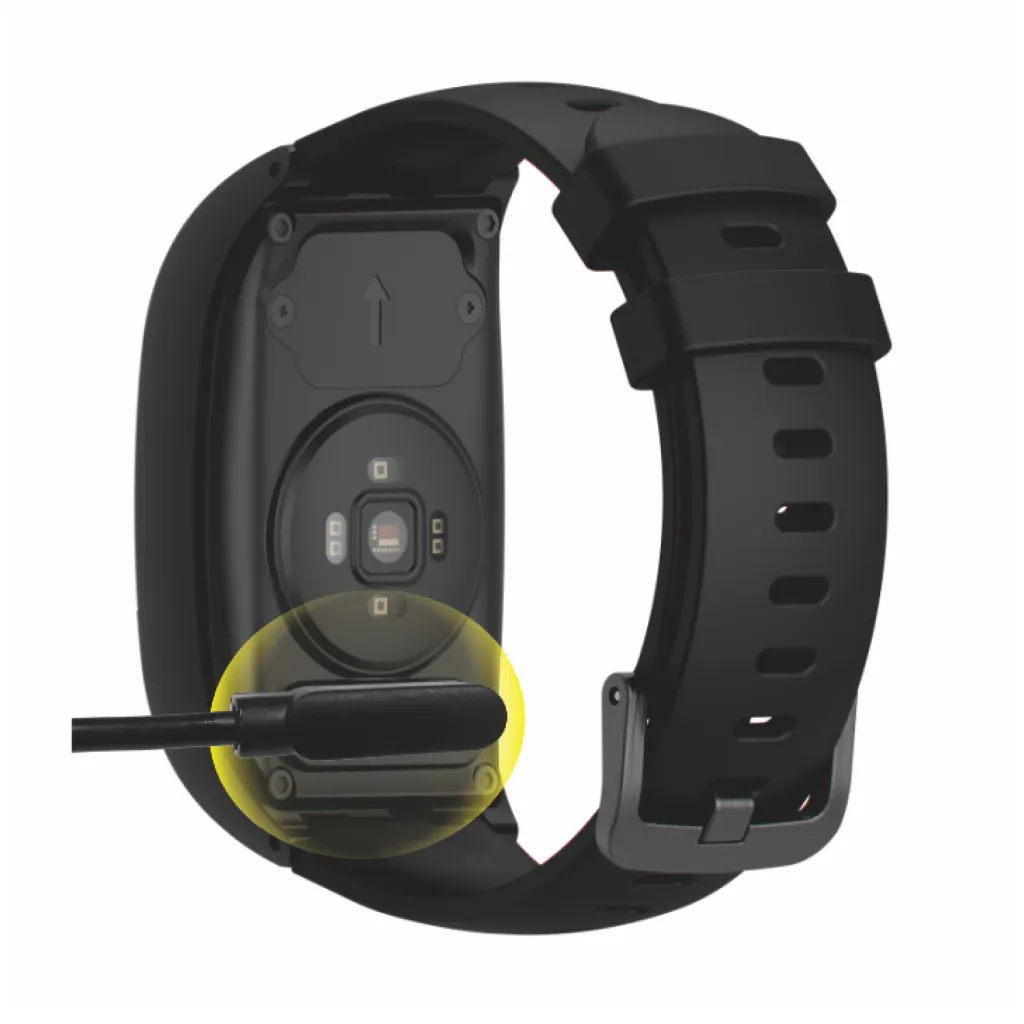
We package high-density cells to increase capacity without adding bulk. Charging is designed for zero-friction use: magnetic docks or wireless pads with clear alignment and tactile feedback. Accessories matter, too; docks that live beside the bed or on a kitchen counter support habits that keep the device ready without fuss.
OEM/ODM Perspectives: Customizing for Efficiency
No two deployments are the same. Home care, assisted living, and outdoor lifestyles each shape the power budget differently. From a manufacturer's viewpoint, successful OEM ODM smartwatch design starts by aligning on power targets during requirements - not after prototypes ship.
• Custom firmware algorithms. We co-define sensor duty cycles (heart rate, SpO₂, motion, GPS) and alert logic to match actual care protocols.
• Component selection by environment. Indoor first? Outdoor heavy? We source radios, displays, and sensors that fit the dominant use case.
• Scalable feature sets. Some customers need frequent location checks; others prefer geofencing with on-demand fixes. We right-size features to extend elderly smartwatch battery life without compromising critical functions.
• Fleet operations. OTA updates, diagnostics, and battery analytics keep devices efficient long after launch.
When low power design in wearables is a requirement from day one, you get endurance, usability, and maintainability - at scale.
- Case Example: Elderly Smartwatch with 10-Day Battery Life
A European healthcare group asked us to cut missed alerts and simplify charging routines. We set a stretch goal of 10 days on a single charge while keeping SOS and location ready 24/7. Three moves made the difference. First, we selected a low-leakage SoC and cellular stack with excellent standby currents. Second, we deployed adaptive sensing - higher heart-rate frequency during activity, lower during rest, and escalations on anomaly. Third, we refined the UI to reduce unnecessary wake events and shorten session time with larger fonts and direct paths.
In daily use, this power-saving IoT device supported location checks, emergency readiness, and wellness monitoring for up to ten days. Seniors stopped thinking about the charger. Facilities reported fewer maintenance tickets and better data continuity. The outcome validated our approach: plan power early, measure obsessively, and design the UX to cooperate with the battery.
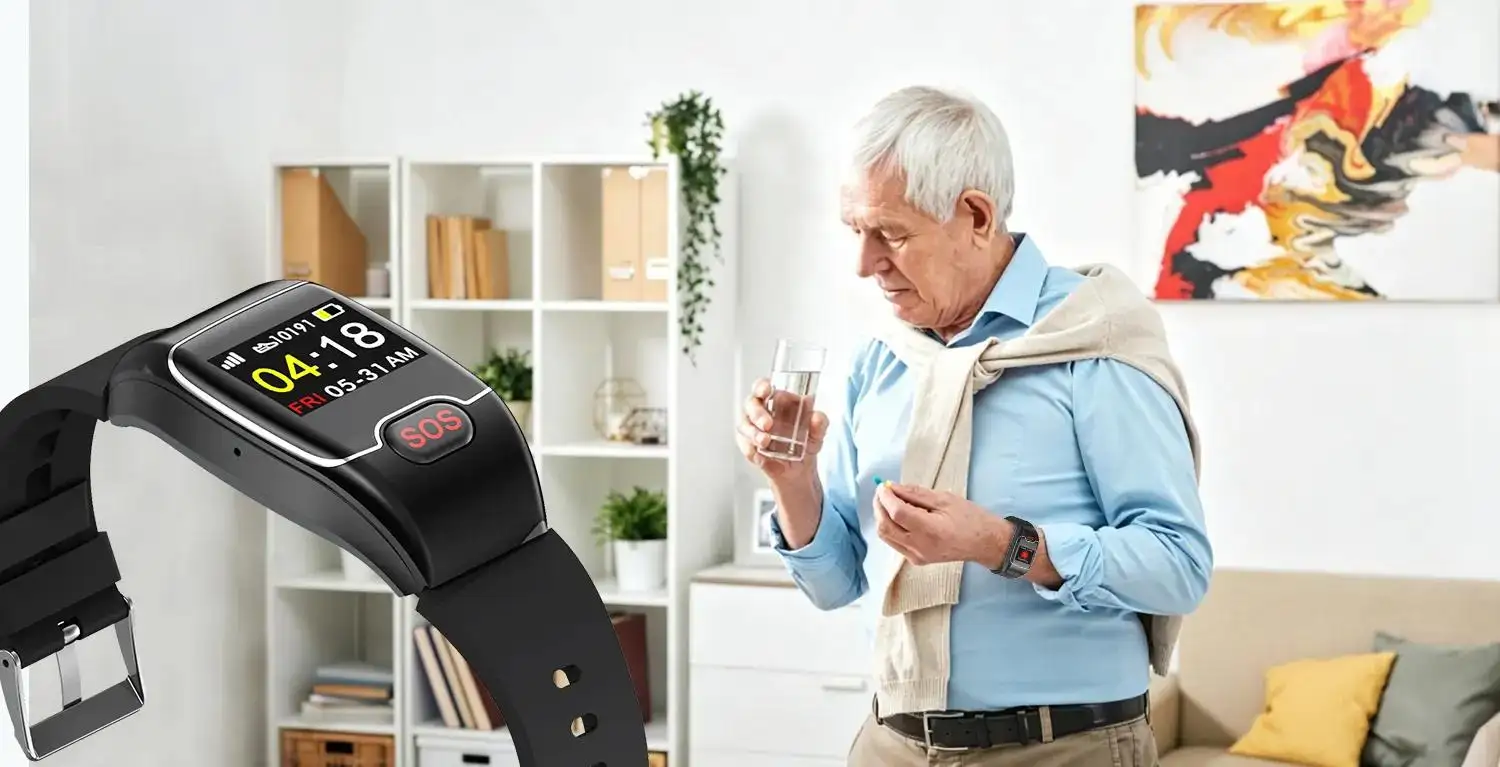
We apply the same principles across our senior-focused GPS wristwatch portfolio - real-time tracking, one-touch SOS, health monitoring, comfortable waterproof design, and long endurance - without relying on model-specific tricks. Families get live visibility, caregivers get timely alerts, and seniors get a companion that simply works.
Benefits of Low Power Wearable Design
✅ For seniors and families
• Consistent protection: extended runtime keeps SOS and fall detection ready day and night.
• Less friction: longer cycles reduce charging anxiety and improve daily wear time.
✅ For care providers and operators
• Lower workload: fewer charge rounds and device swaps free up staff.
• Better insights: more uptime produces cleaner trends for earlier interventions.
✅ For sustainability and total cost
• Efficiency at fleet scale: energy-efficient wearables reduce energy usage and operating expense.
• Longer service life: efficient hardware and updateable firmware extend product longevity.
Final Words
For JiAi Intelligent Technology, low power design in wearables is not a feature - it's the foundation that enables safety, comfort, and trust. By uniting efficient chipsets, event-driven firmware, readable yet restrained interfaces, and effortless charging, manufacturers can meaningfully extend elderly smartwatch battery life. If your roadmap includes power-saving IoT devices, partner with a team that treats energy as a first-class requirement. Our OEM/ODM smartwatch design process delivers energy-efficient wearables that stay ready, stay connected, and stay on - so seniors, families, and caregivers can count on them every day.