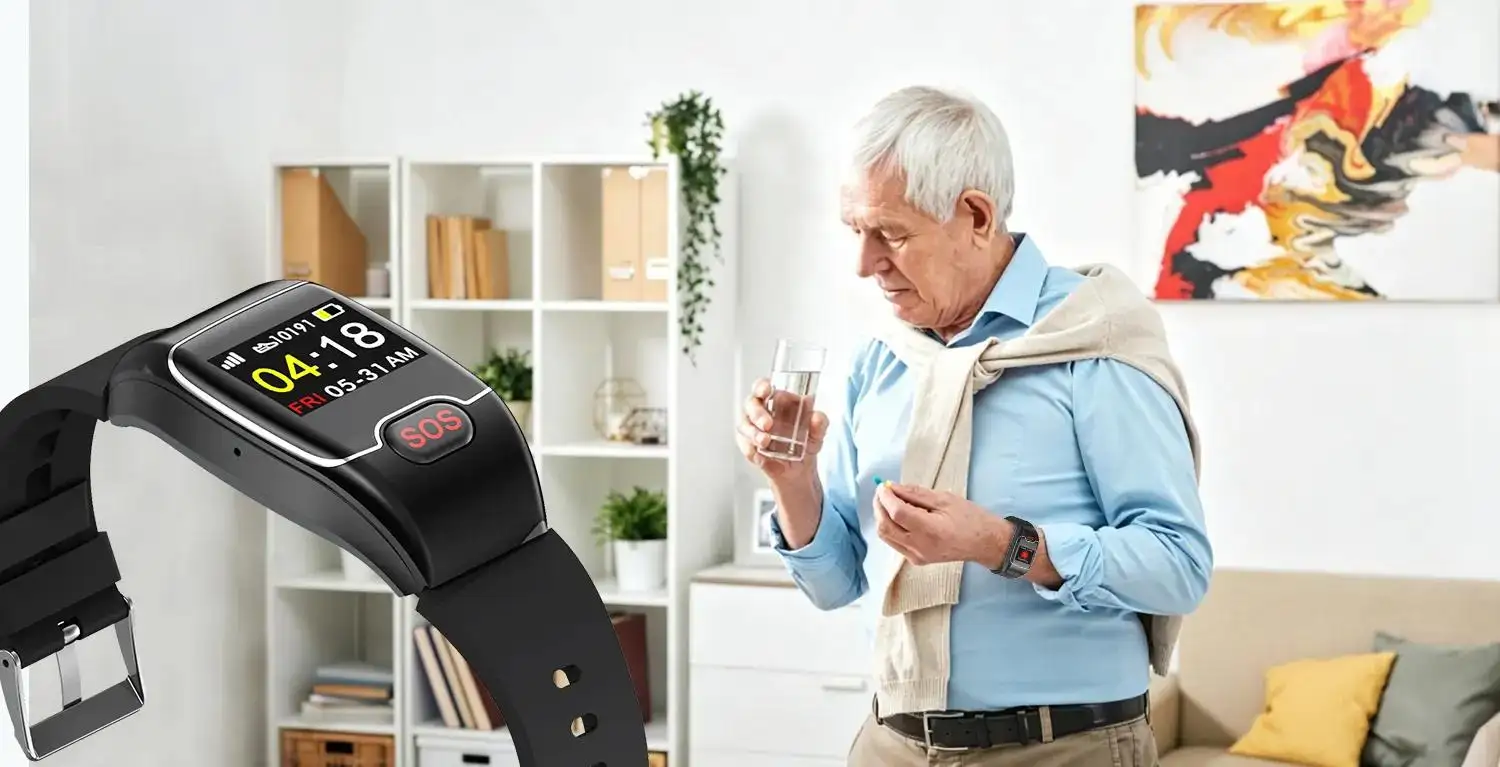

Inside an Elderly Smartwatch Factory: From SMT to Final Assembly

2025-10-30

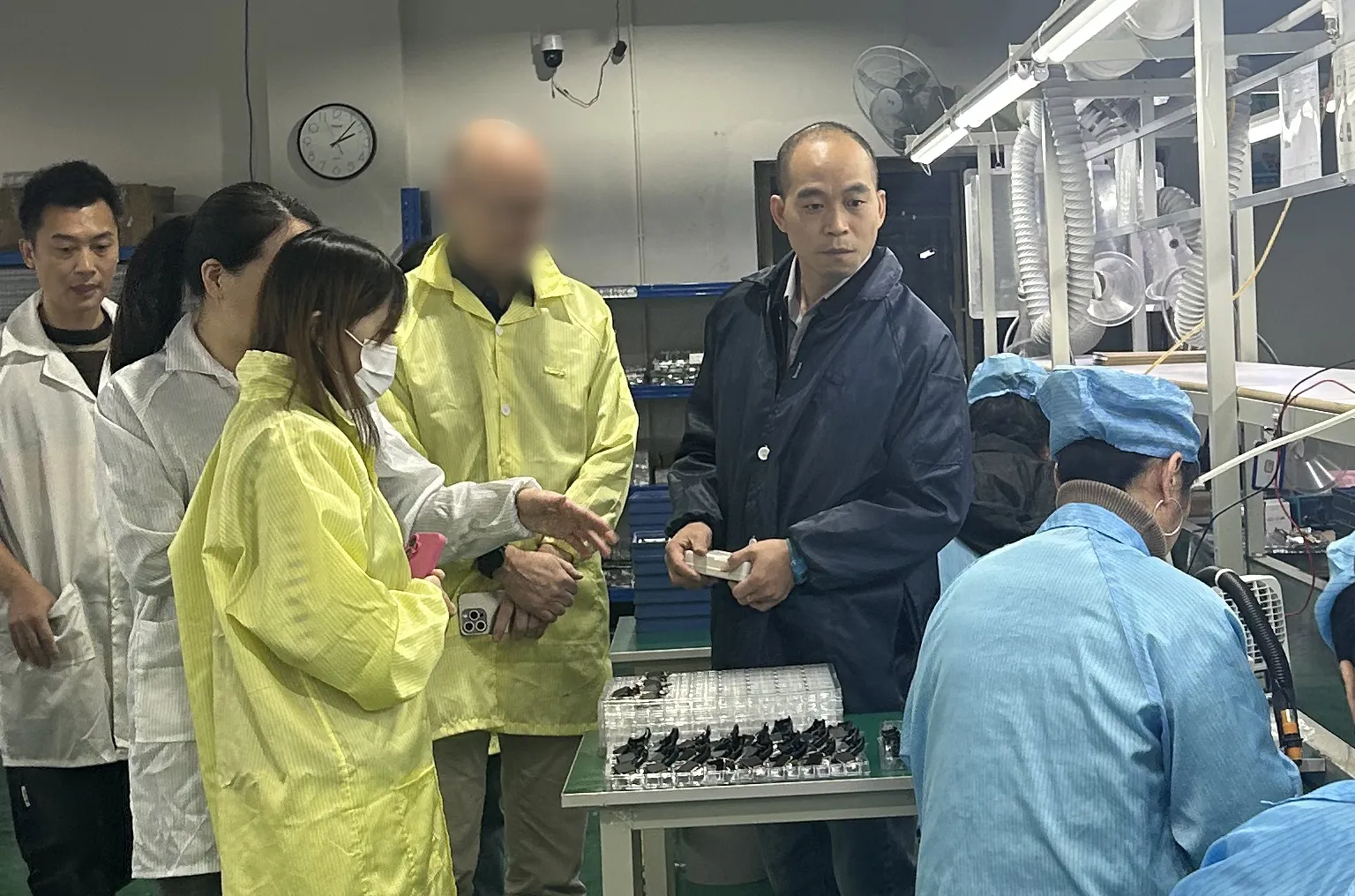
When you receive a finished elderly smartwatch, you're holding the outcome of countless controlled steps designed to protect performance, reliability, and user safety. This article opens the doors of an elderly smartwatch factory run by JiAi Intelligent Technology, giving B2B buyers and brand owners a grounded, operations-first view of how we turn briefs into dependable wearables. If you're an importer, project manager, or startup founder, seeing the full smartwatch manufacturing process helps you evaluate real capability - and make smarter sourcing decisions.

From Concept to Production: A Full-Process OEM/ODM Partner
JiAi doesn't operate as a simple assembler. We function as an ODM smartwatch supplier and full-service OEM/ODM partner. Under one roof in Hunan, our team handles hardware design, RF layout, firmware development, pilot builds, certification support, and mass production. This vertical model compresses timelines, improves cost control, and keeps quality steady from discovery call to shipment.
Inside our wearable device factory, cross-functional squads turn requirements into manufacturable designs. We work with clients on industrial design choices, antenna placement, battery safety, and elderly-friendly features such as SOS, fall detection, and clear UI flows. We support CE/FCC/RoHS pathways and provide documentation and validation plans. The goal is practical: remove friction between idea and launch while keeping every step traceable - an essential foundation for reliable OEM smartwatch production.
1: SMT - Precision at the Core
Every project starts with the PCB - the nervous system of the device. On our SMT assembly line, automated solder paste printing, high-speed pick-and-place, and AOI inspection combine to place tiny components at micron-level accuracy. Precision here protects RF performance for LTE and GNSS, reduces power loss, and stabilizes Bluetooth range.
Each board is tagged with a scannable code and tracked in our MES. That digital thread allows rapid root-cause analysis, clean lot separation, and smooth after-sales support. We tune reflow profiles, stencil thickness, and pad geometry to minimize tombstoning, voids, and cold joints. In simple terms: SMT is where longevity and field reliability begin in the smartwatch manufacturing process.
2: Assembly - Building the Device
Once boards pass electrical checks, they move to system assembly. In a temperature-controlled, dust-managed space, trained technicians and robotic fixtures integrate displays, sensors, antennas, buttons, and batteries with repeatable torque and alignment control. Optical bonding supports vivid color and responsive touch. Battery packs are insulated and fixed to meet transport and daily-use safety standards. Gaskets and adhesive barriers set the stage for IP67/IP68 sealing without compromising acoustic holes or speaker output.
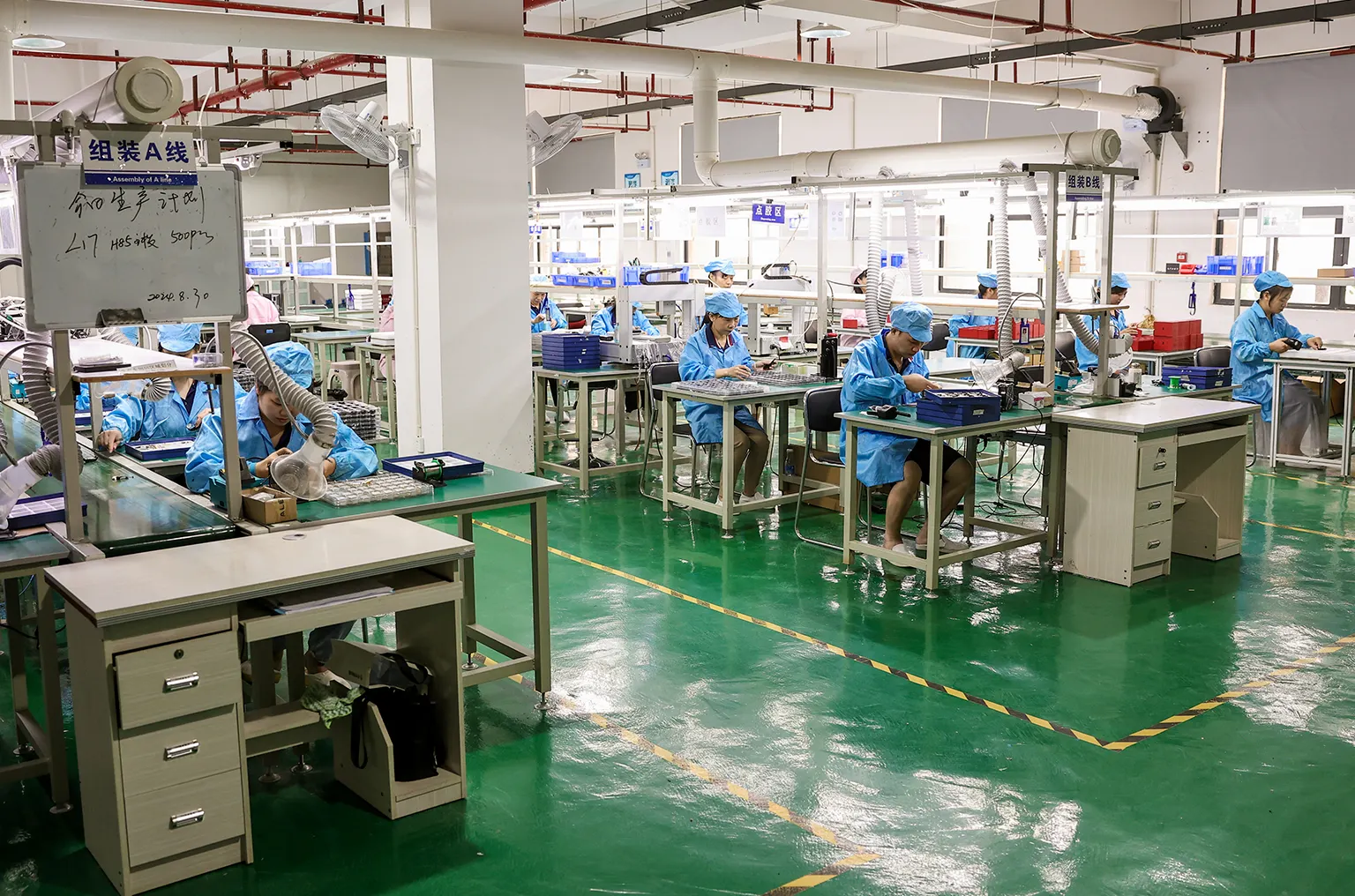
Signal integrity remains a priority. Antenna tuning and shielding are verified to protect GPS lock, cellular registration, and Bluetooth stability inside compact housings. The result is a robust core device ready for firmware bring-up - exactly what seasoned buyers expect from a mature wearable device factory.
3: Firmware Programming and Testing
Hardware becomes useful the moment firmware is loaded. At automated stations, we flash firmware and run functional checks in the same cycle: GPS fix, cellular attach, Bluetooth pairing, sensor calibration, SOS behavior, and power management. To screen hidden defects, watches complete 24 - 48 hours of aging tests that simulate real-world use, including repeated charge/discharge and intermittent connectivity.
Customization is where OEM smartwatch production meets brand identity. Our software and firmware engineers collaborate on UI flows, watch faces, language packs, and secure API links to client clouds. Regional settings for EU, North America, and APAC are supported to simplify market launches and ongoing maintenance.
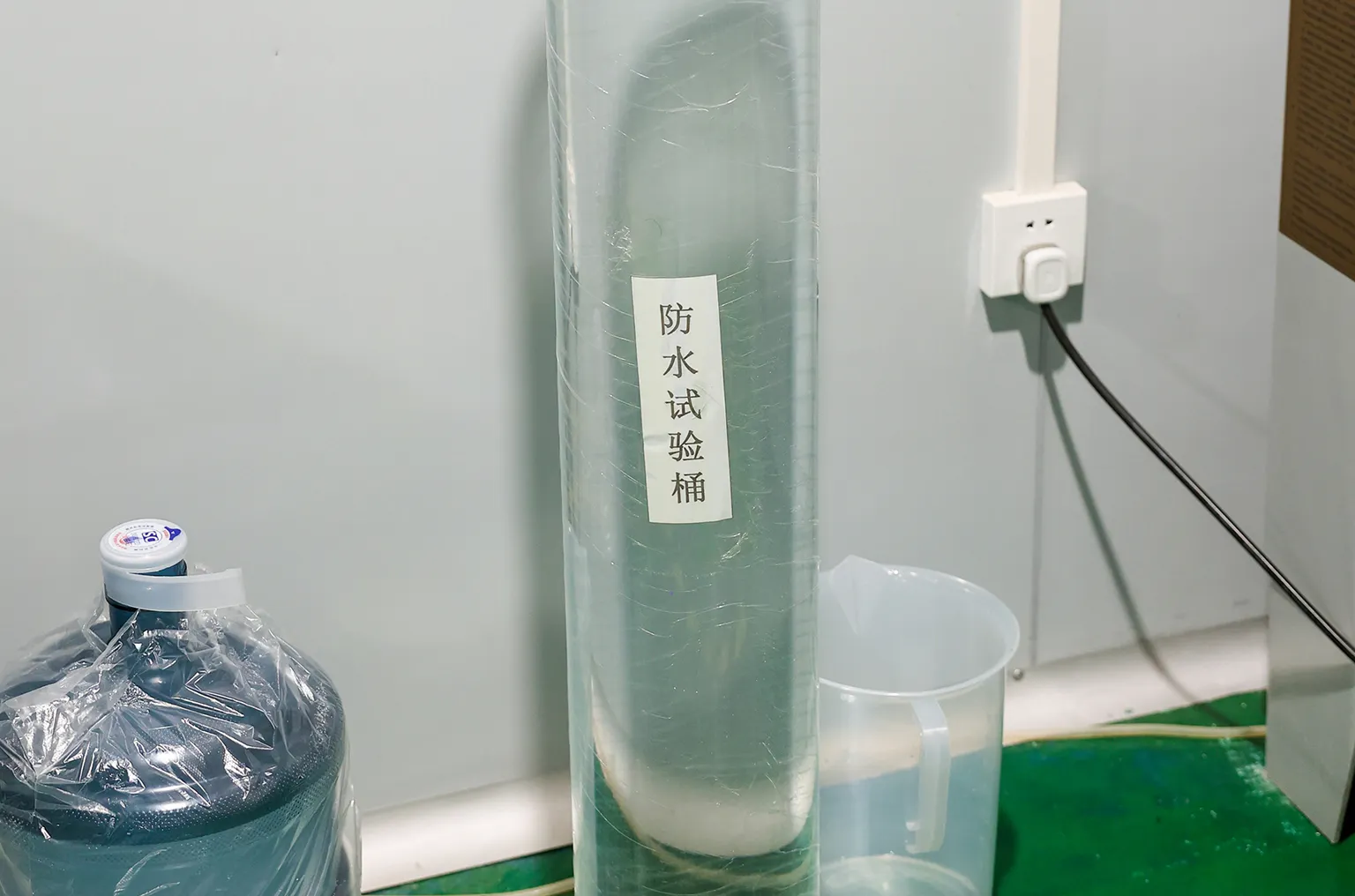
4: Waterproof & Durability Testing
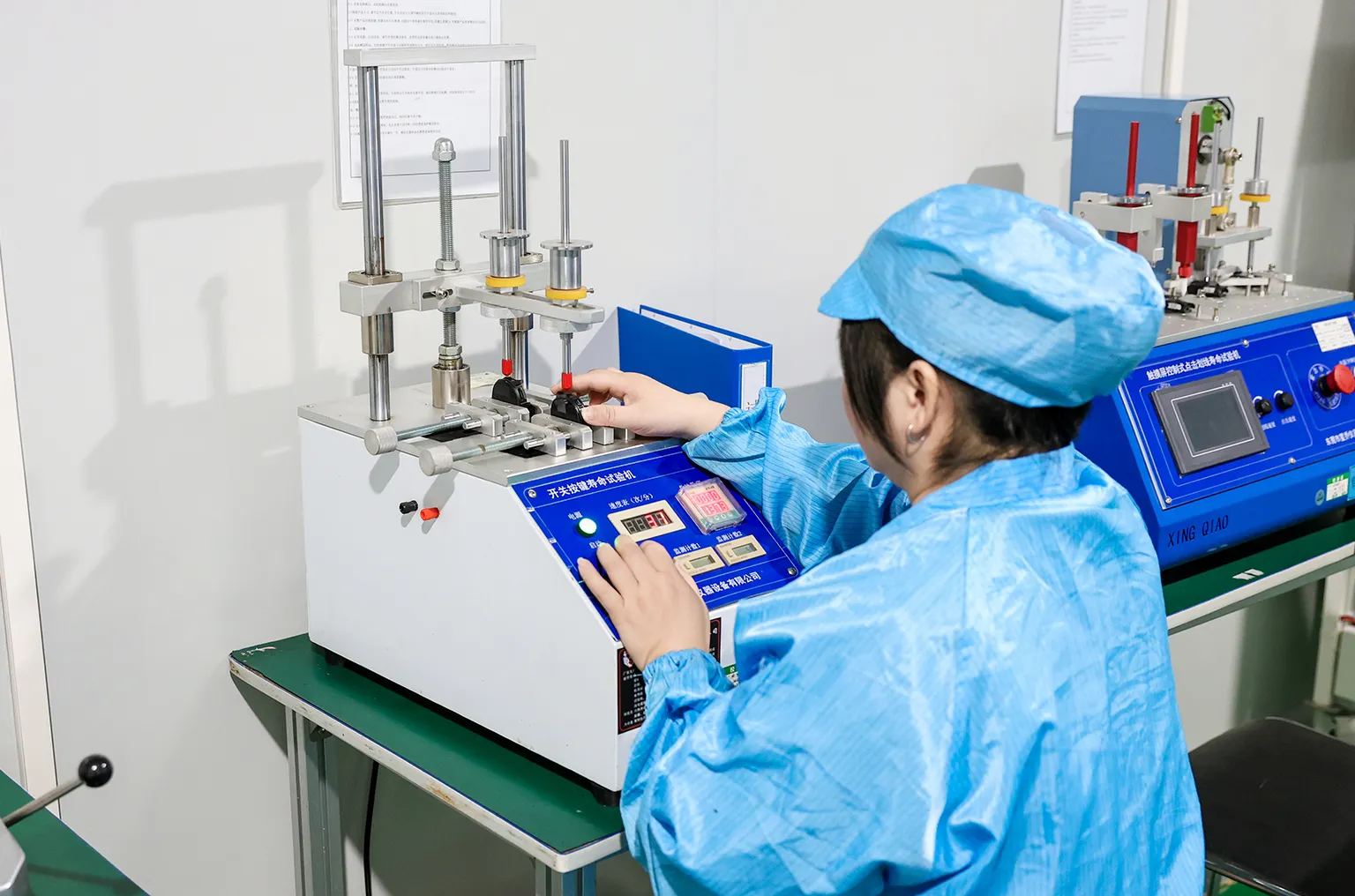
Daily wear demands durability - especially for seniors. We validate watches with immersion tests for IP67/IP68, multi-surface drop testing, temperature shock from −20°C to +60°C, and sweat/corrosion exposure for skin-safe long-term contact. These are not box-ticking exercises; they're safeguards for brand reputation and warranty stability. Units that fail do not proceed. Units that pass move forward with documented evidence of compliance - what experienced buyers expect from an accountable ODM smartwatch supplier.
5: Packaging and Final Inspection
Good hardware deserves a clean hand-off. We support private-label artwork, manuals, and color boxes while standardizing protective inserts to reduce transit damage. Final checks confirm IMEI mapping, firmware versioning, button feel, charging behavior, and GPS acquisition. Accessories - magnetic chargers, straps, and cables - are kitted to spec. Retained samples close the loop for traceability and audit readiness, completing a disciplined smartwatch manufacturing process that scales.

What Buyers Should Look For?
During an audit or video tour, focus on signals that correlate with stable output and low field returns:
• Real SMT capacity and cleanliness - A true SMT assembly line with AOI and controlled reflow shows manufacturing depth, not trading.
• In-house firmware team - Faster iteration, cleaner bug fixes, and reliable customization.
• Serious test equipment - Aging racks, IP tanks, RF analyzers, ESD controls, and calibrated torque tools.
• Traceability - MES records, QR-coded PCBs, and documented lot splits enable rapid containment.
• Certification readiness - Current CE/FCC/RoHS reports and process evidence shorten time to market.
- Case Snapshot: European OEM Partner
A European telecare brand needed 5,000 units of 4G elder-care wearables with fall detection and a secure cloud interface. We delivered a hardware prototype in ten days, integrated their API within two weeks, and finished SMT, assembly, and validation within thirty days. CE/EMC testing passed with zero sample failures. The client launched in three EU countries under its own brand. The lesson for buyers: an integrated wearable device factory can compress schedule risk without sacrificing reliability.
Why Factory Capability Matters in B2B Collaboration
In wearables, you aren't merely buying a device - you are buying the discipline that produces it. Component strategy, firmware validation, controlled assembly, and predictable logistics shape your schedule, your returns rate, and your margins. A capable elderly smartwatch factory shields your roadmap from supply swings and engineering surprises.
Working with JiAi provides tangible advantages for B2B programs:
• Short concept-to-mass-production cycles - Fewer handoffs, faster decisions.
• Stable supply chain management - Approved vendor lists and safety stocks reduce shortages.
• Confidential private-label support - Secure treatment of artwork, credentials, and data.
• Integrated HW + SW customization - One accountable partner from antenna to cloud.
Final CTA
From first pad print to final pack-out, JiAi Intelligent Technology builds wearables with equal parts rigor and empathy. As an ODM smartwatch supplier supporting global OEM smartwatch production, we combine precise manufacturing with transparent project control. Each unit we ship stands for safety, accuracy, and independence. If you're seeking an elderly smartwatch factory to turn your idea into a scalable product, our integrated approach - and proven smartwatch manufacturing process - is designed to deliver.