
Digital Telecare Migration Checklist: Preparing Wearable Devices for Modern Care Services

2026-06-26

The UK's Public Switched Telephone Network (PSTN) switch-off, set for 31 January 2027, is reshaping how care is delivered. For telecare operators, housing associations, and system integrators across the UK, Europe, Australia, and Canada, Digital Telecare Migration is not a simple hardware swap – it is a service-continuity imperative. The government's Telecare National Action Plan explicitly requires that no user loses access to support during this transition. This digital telecare checklist helps you plan a safe, step-by-step telecare digital transition, ensuring that modern telecare devices truly enhance care rather than introduce new risks.

1. Audit Your Existing Devices, Users, and Vulnerabilities
Before selecting any new equipment, conduct a thorough inventory – not a product wish-list. Document every device, its connection type, each user group, and the services that depend on them.
Key actions:
• Categorise users by care need – e.g., home-only emergency button users, outdoor-active GPS watch users, memory-care individuals needing geofencing.
• Record current device details – model, age, battery life, charging habits, and known usability issues.
• Map dependencies – fixed-line, broadband, mobile coverage, or power supply.
• Identify critical risks – what happens if a device fails during the digital care alarm migration?
This baseline prevents a "like-for-like" replacement that carries old weaknesses into the new system.
2. Verify Telecare Connectivity Requirements Early
Connectivity is the backbone of any telecare digital transition. You must confirm telecare connectivity requirements before committing to any device.
Checklist for connectivity:
• Which networks will devices use? (4G, Wi-Fi, Ethernet, or hybrid)
• Are regional LTE bands and local operator SIMs compatible?
• Have you checked the APN settings? Roaming policies? Indoor versus outdoor coverage?
• Do home hubs rely on broadband stability? Do wearables need consistent mobile signal?
• Do not trust "4G supported" labels alone. Demand hardware version specifics and test under real-world conditions during your pilot.
3. Select the Right Mix of Modern Telecare Devices
One size never fits all. A successful Digital Telecare Migration uses a portfolio of modern telecare devices tailored to individual needs.
Device categories to consider:
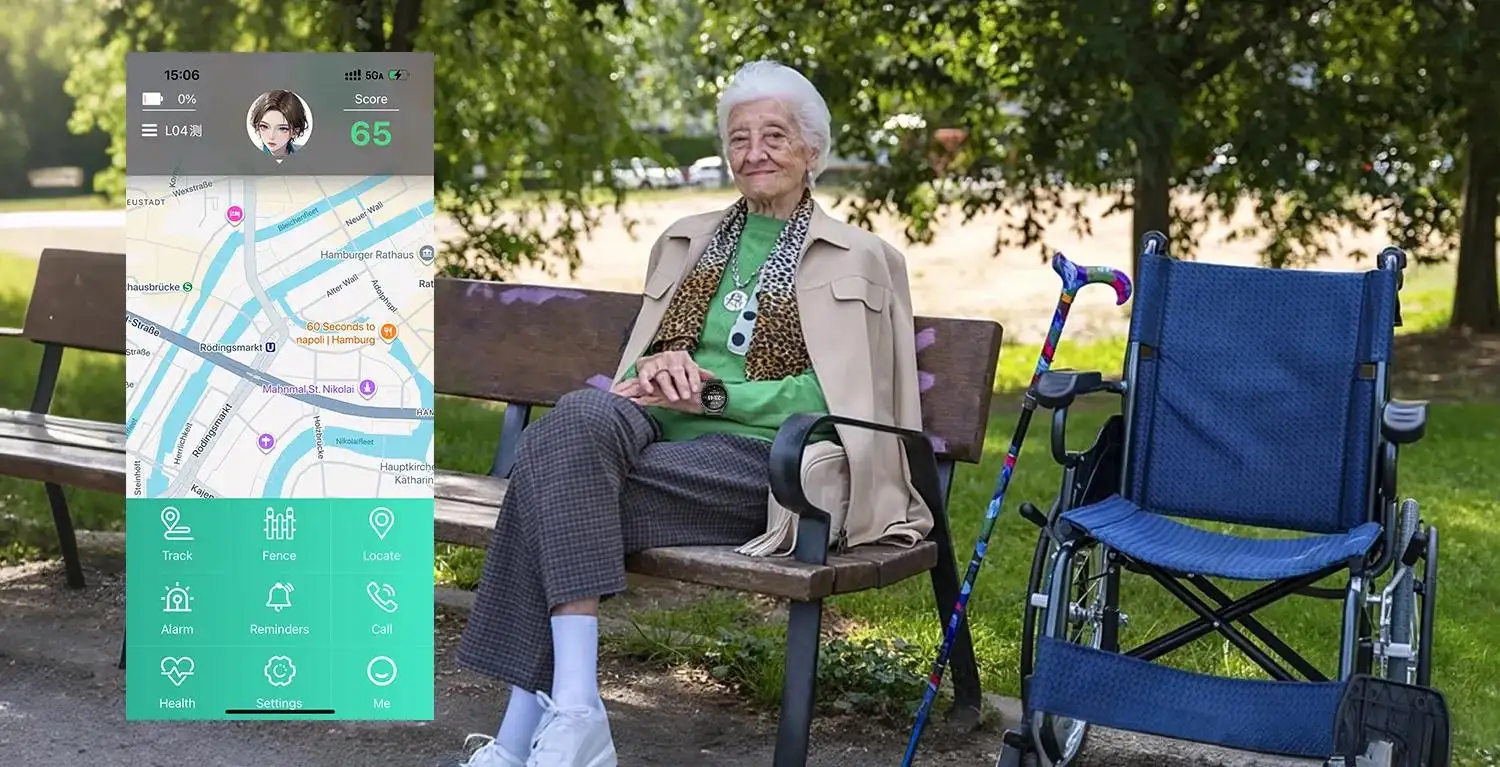
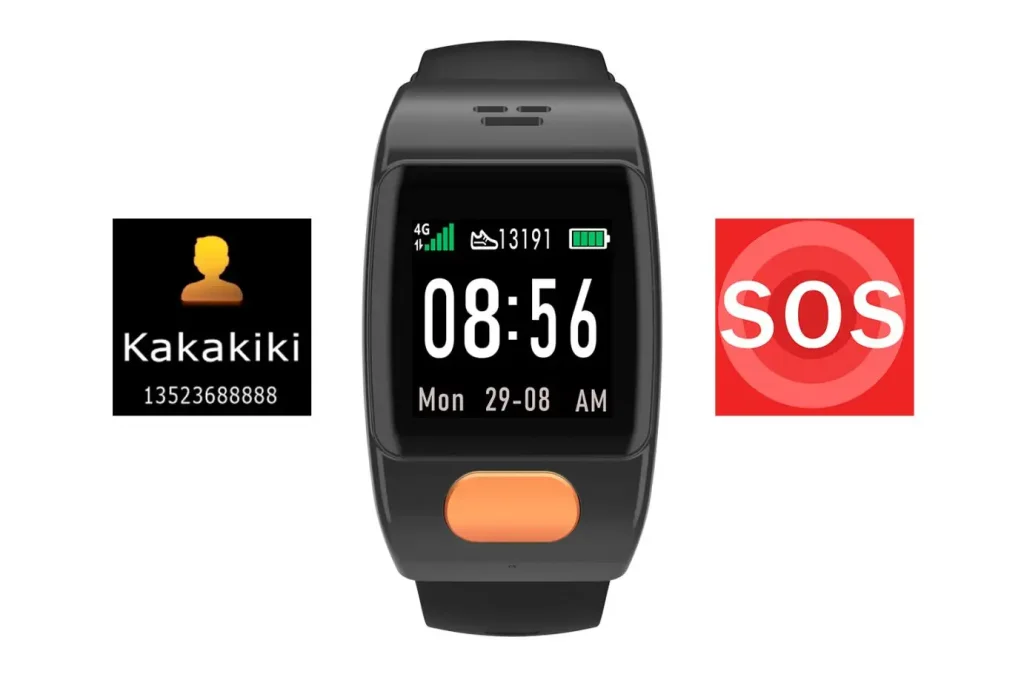
• Elderly Smartwatches – combine SOS, GPS, two-way calling, and health reminders. Ideal for users who accept wrist-worn tech and go outdoors.
• SOS Pendants / Buttons – simple, familiar, and easy to trigger. Best for those who prefer minimal interaction.
• Smart Home Hubs – support peripherals (motion sensors, smoke detectors) and work well for primarily home-based users.
• GPS Trackers – deliver location alerts and geofence boundaries, but should complement, not replace, human response.
4. Map All Alerts From Trigger To Resolution
Digital Telecare Migration loses its purpose if alerts become lost in the system. Each event type should have a distinct routing pathway.
For alerts (SOS, fall, geofence, low battery, offline) answer these questions:
• Trigger – what initiates the event?
• Data sent – user ID, device ID, location, and time?
• First notification – who is notified? (family, monitoring centre, staff?)
• Acknowledgement – how is the notification acknowledged?
• Escalation – who is notified after X minutes of no response?
• Closure & review – how is the incident documented and reviewed?
• Workflows should reflect your care model – family-led, facility-led, or centre-led care.
5. Validate Platform Integration and Data Ownership
With a digital care alarm migration, new platforms, and private care management clouds may be used. Be clear on integration.
Questions for Integration:
• What data is available? (SOS, location, battery, connectivity, and health data)
• Describe the API. (REST, HTTP, TCP/IP, MQTT, etc.?)
• How are commands sent to devices? How is user management and updates done?
• Who has ownership of the data - user accounts, location data, alert logs?
Agreement on data ownership and exit strategies is required before signing any agreement. If your platform or hardware supplier changes, you must retain control.
6. Run a Controlled Pilot Before Full Rollout
Pilot testing is non-negotiable. It validates more than device functions – it tests the entire service ecosystem.
Pilot success metrics:
• Wearing compliance (do users keep devices on?)
• Battery performance under daily use
• Alert acknowledgement times
• False-alert rates
• Network reliability in diverse homes
• User and caregiver feedback
• Support call volumes
Use pilot findings to tweak device configurations, training, workflows, or even product selection before scaling. Many UK councils have discovered that home visits for reprogramming or replacing alarms are far more resource-intensive than anticipated – a pilot exposes these realities.
7. Train Everyone – Users, Families, and Staff
Even the best modern telecare devices are useless if people don't understand them. Tailor training to each audience.

Training must cover:
• End users – how to wear, charge, test, and trigger the device.
• Families – what alerts they may receive and what action to take.
• Care staff & call-centre teams – acknowledgement, escalation, documentation, and basic troubleshooting.
Create simple, repeatable materials that can be refreshed for new starters or temporary carers.
8. Build Fallback, Maintenance, and Support Procedures
Digital Telecare Migration doesn't end at go-live. You need robust procedures for every failure scenario.
Critical fallback strategies:
• Low battery – Set an automated alert and have a stash of spare devices.
• No cell signal - Use Wi-Fi and other channels of communication.
• No power - Use backup batteries and other alternative power sources.
• SIM replacement or contact detail changes – quick administrative process.
• Device-offline alerts – routine health checks and OTA updates.
At scale, plan for fleet management, warranty handling, and replacement logistics. These are not afterthoughts – they are core to service continuity.
Choosing a Manufacturing and Integration Partner
Your supplier should support far more than initial hardware delivery. For OEM/ODM projects, look for:
• Product selection and branding (logo, packaging)
• Firmware customisation and private cloud options
• API integration support (REST, TCP/IP, etc.)
• Test samples and scale-up planning
JiAi Intelligent Technology specialises in elderly smartwatches, GPS trackers, SOS pendants, and smart home hubs, all designed for customised B2B projects. With ISO-certified facilities and full OEM/ODM capabilities – from firmware to platform integration – JiAi helps you build a resilient telecare ecosystem for the digital era.
Final Takeaway
Digital Telecare Migration is a planned service transition, not a one-time purchase. By following this digital telecare checklist – auditing devices, verifying telecare connectivity requirements, selecting the right modern telecare devices, mapping alerts, integrating platforms, piloting, training, and building fallback plans – you protect users and maintain care continuity throughout the telecare digital transition.
The PSTN switch-off is a deadline, but it is also an opportunity to modernise. With the right preparation and a trusted partner like JiAi, your organisation can deliver safer, smarter, and more responsive care for years to come.
Frequently Asked Questions (FAQ)
Q1. What is the PSTN switch-off, and how does it relate to telecare?
The UK's PSTN will close on 31 January 2027. Most telecare alarms use this network, meaning alarms must be upgraded or replaced to continue using the service. The new devices must be telecare devices with IP or 4G capabilities.
Q2. Will my current alarm or pendant continue to work after the switch-off?
No, if it connects to a fixed analogue line. You must switch to a 4G wearable or broadband connected hub digital care alarm migration solution by the deadline to continue using a service.
Q3. How can I tell if the 4G coverage is adequate in my users' homes?
You must do a coverage test. A telecare digital checklist recommends a pilot in the homes with the most and the least coverage. Never rely on coverage maps as a substitute for testing.
Q4. Can I have mixed devices (watches, pendants, hubs) in a service?
Yes. A telecare digital transition is very successful with a mixed portfolio of devices to meet different care needs ranging from users who only stay home to those who are very active.
Q5. What should I prepare for if a device loses network connection?Your procedures should prepare for device offline alerts, automatic retries, and other communication paths (e.g., WiFi or Ethernet). Also prepare for manual checks and have a plan for spare devices.