
Customize Smartwatch Housing: ID, Mold, and Finish Options for B2B Buyers

2025-10-29
When a customer holds your watch, pendant, or telecare console, the enclosure shapes everything they feel and believe about your brand. For B2B buyers and OEM/ODM partners, custom smartwatch housing is not a cosmetic afterthought; it is a commercial decision that touches manufacturability, durability, comfort, cost, and identity. At JiAi Intelligent Technology, we design and build enclosures for elderly smartwatches, pendants, GPS trackers, telecare consoles, and assisted-living hubs. This guide explains how we approach housing - from industrial design to tooling, materials, finishes, and real-world constraints - so your products scale with confidence.
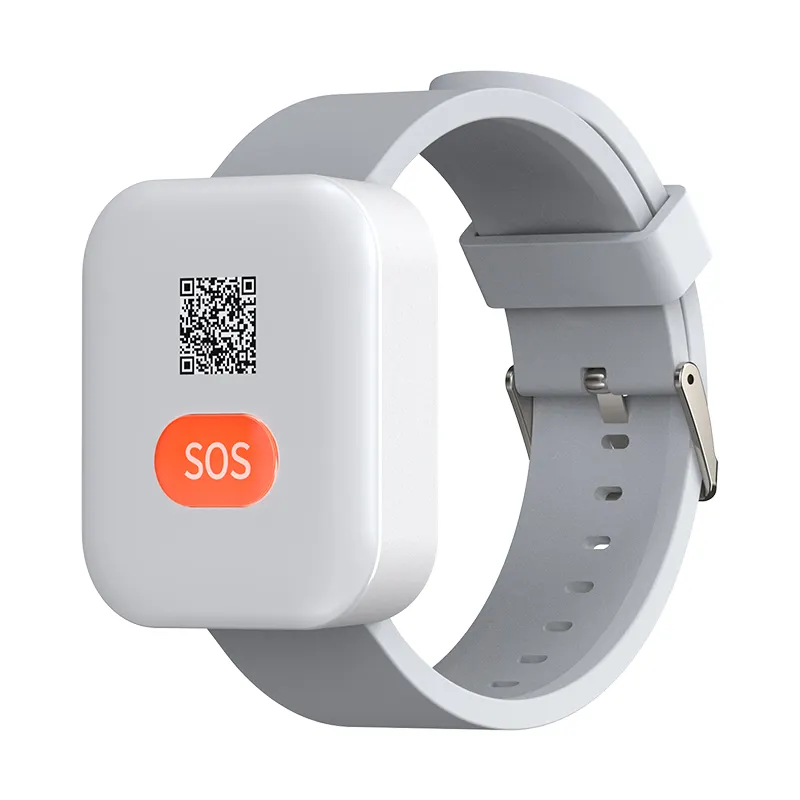
The Role of Housing Design in Wearable Products
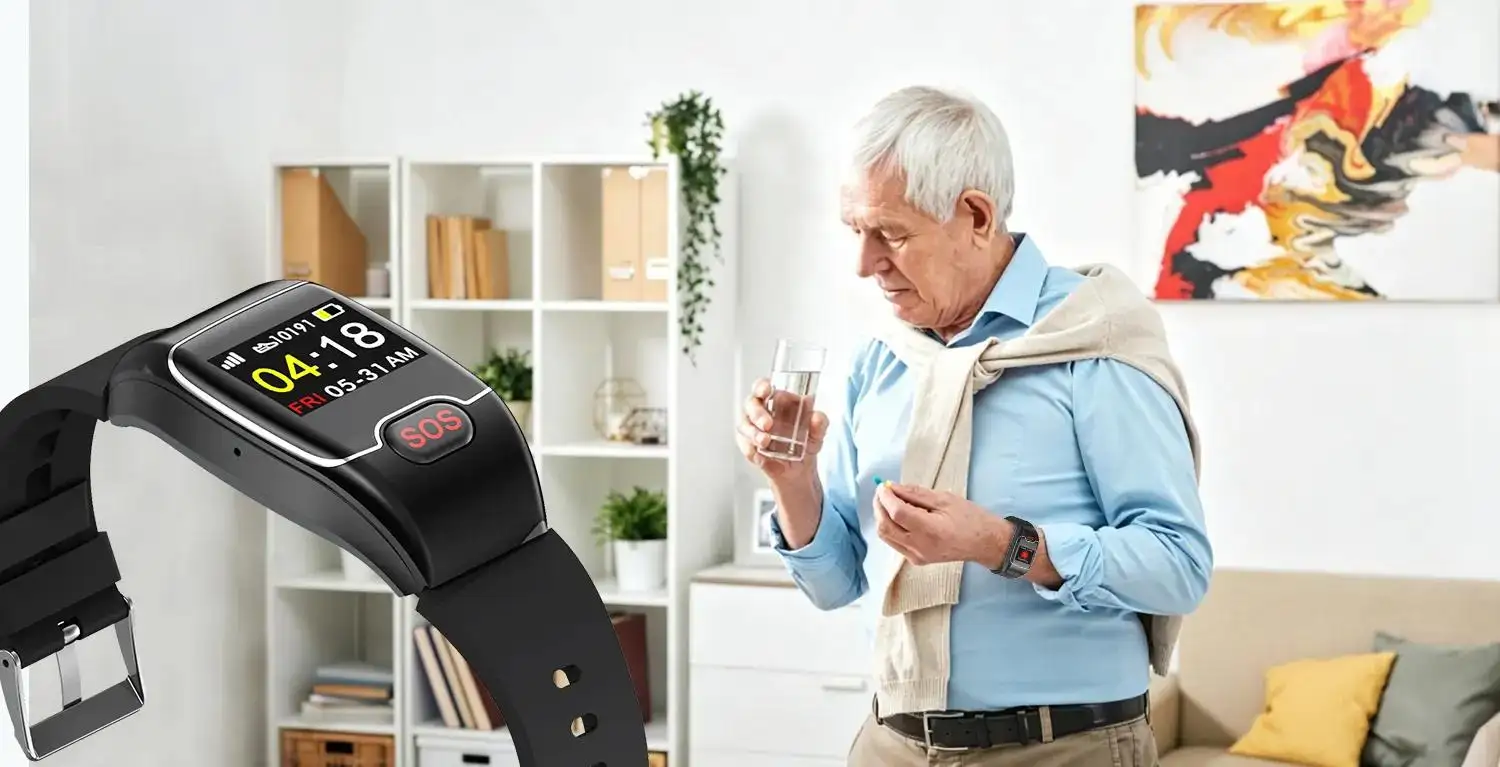
A wearable lives on the body, not in a box. The case must feel good on skin, protect electronics, and support antennas and sensors without compromise. It also has to assemble cleanly, pass certification, and look like it belongs to your brand family. In senior care, the shell must survive drops, sweat, and frequent cleaning while keeping SOS and fall-detection components reliable. At JiAi, we translate those needs into practical wearable device case design decisions that hold up on the production line and in daily use.
- Comfortable geometry for wrists, necks, lanyards
- Robustness against abrasion, sweat, and accidental drops
- Space planning for sensors, buttons, microphones, and charging pins
- Tooling-aware features that keep costs predictable
- IP and EMC compliance designed in - not added later
Industrial Design (ID): From Sketch to 3D Modeling
ID is where intent becomes shape. Our team runs compact design sprints to produce alternatives quickly, then narrows to a direction that matches your market - clinical, active, or lifestyle.
We start with sketches to explore proportions, sidewalls, and strap or lanyard interfaces. CAD follows to validate stack-ups for PCB, battery, speaker cavities, and optical windows. We simulate wrist curvature and pendant hang angles to confirm comfort and sensor exposure. SLA/SLS mockups arrive early so stakeholders can evaluate volume, button force, and feedback. Each iteration includes DFM checks, antenna keep-out review, and seal strategy. That discipline means the 3D model is ready for smartwatch mold design without late surprises.
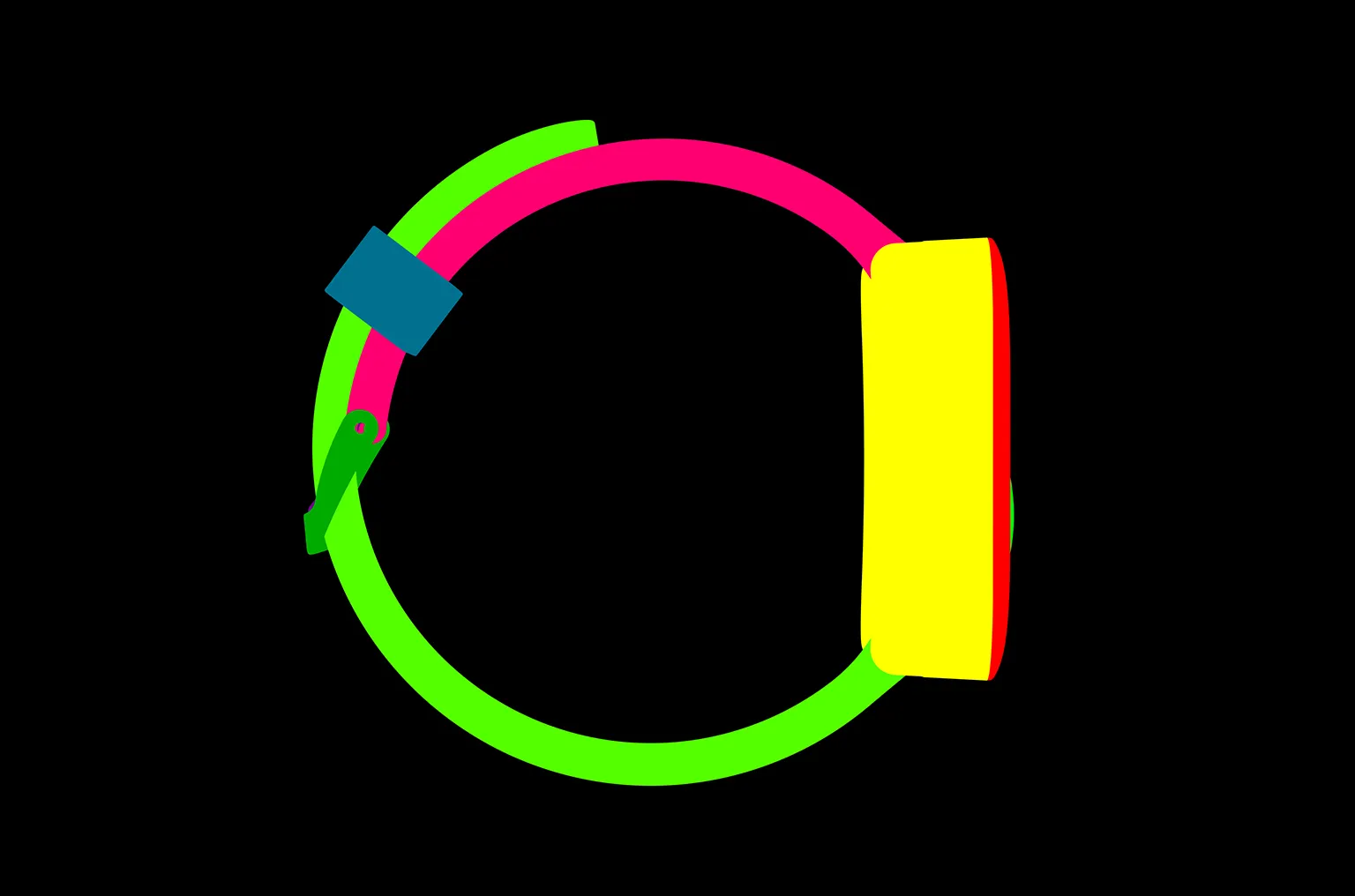
- Mold and Tooling Development
Tooling converts design into repeatability. Decisions here set surface quality, lead time, and unit cost.
Plastic parts benefit from single-color tools for simplicity, while two-shot or overmold tools add bumpers, soft-touch zones, or color accents. Metal components - bezels, frames, buttons - can be die-cast and then CNC-finished for precise interfaces. Hybrid tools combine materials where touchpoints matter most.
Typical windows for smartwatch mold design run 4 - 8 weeks depending on sliders, textures, and cavity count. We often stage with soft tools for pilot runs to refine tactility and assembly, then migrate to hard tools for long-term stability and cycle time. JiAi's modular inserts reduce rework when your roadmap adds a variant, improving speed and controlling cost.
- Material Selection & Structural Design
Material choice drives feel, reliability, and RF performance. Plastics such as ABS, PC, PA, and TPU keep weight low and cost predictable. Metals - stainless steel, aluminum, or titanium - deliver premium touch and stiffness but require careful RF planning. Hybrid strategies pair metal accents with engineered plastics to balance signal transparency and perceived quality.
Inside the OEM smartwatch enclosure, structure is everything. We use ribs for stiffness, bosses with generous radii to prevent cracking, and consistent wall thickness to avoid sink or warp. Gasket grooves and ultrasonic weld lands are planned early to hit IP targets. Isolation zones create breathing room for GNSS, LTE, BT/Wi-Fi, and NFC, reducing detuning and test headaches later.
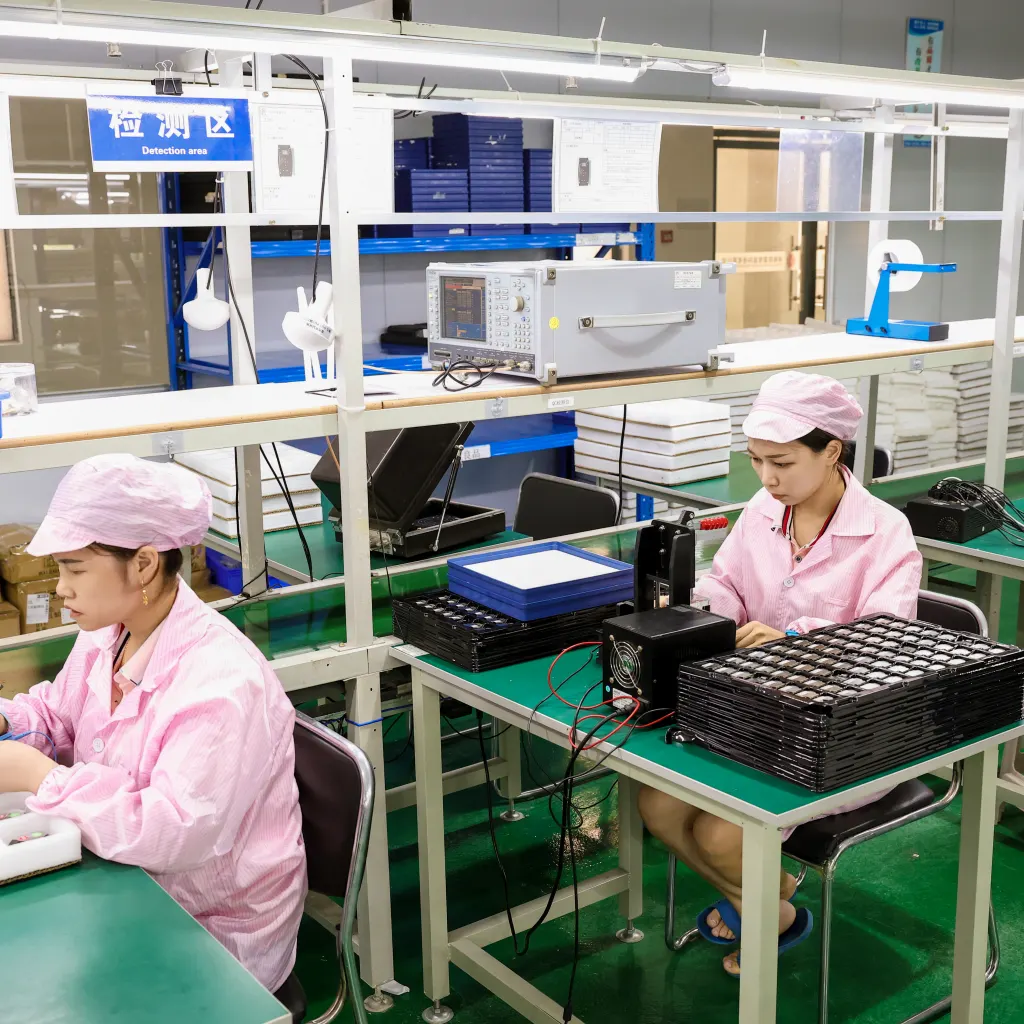
Finish Options & Surface Treatments
Finish is the part of engineering customers actually see. Our ODM smartwatch finish options aim for beauty that survives real life.
- Matte, polished, or brushed metal textures for signature touch
- PVD/DLC/ion plating for wear-resistant metallic tones
- Micro-texture or soft-touch coatings for better grip
- Color overmolding to avoid paint chipping at edges
- Laser marks and debossed logos for crisp branding
- Ceramic-like coatings or glass bezels to improve scratch resistance
Every finish is validated against sweat, UV, and cleaners. We provide texture plates and pre-production parts so your team can judge color and feel under daylight and indoor lighting.
Design Constraints and Trade-Offs
All custom smartwatch housing projects juggle physics, cost, and RF. Thicker walls raise durability but add weight. Extra color breaks and internal latches improve design or assembly but increase tooling complexity. RF prefers plastics and air; structure prefers ribs and metal. Waterproofing pushes for tighter tolerances; mass production wants forgiving fits. Our role is to frame choices with numbers - drop height, IP rating, cosmetic spec, cycle time - so you can pick the right compromise for volume and price point.
Case Example: Customized Watch + Pendant Ecosystem
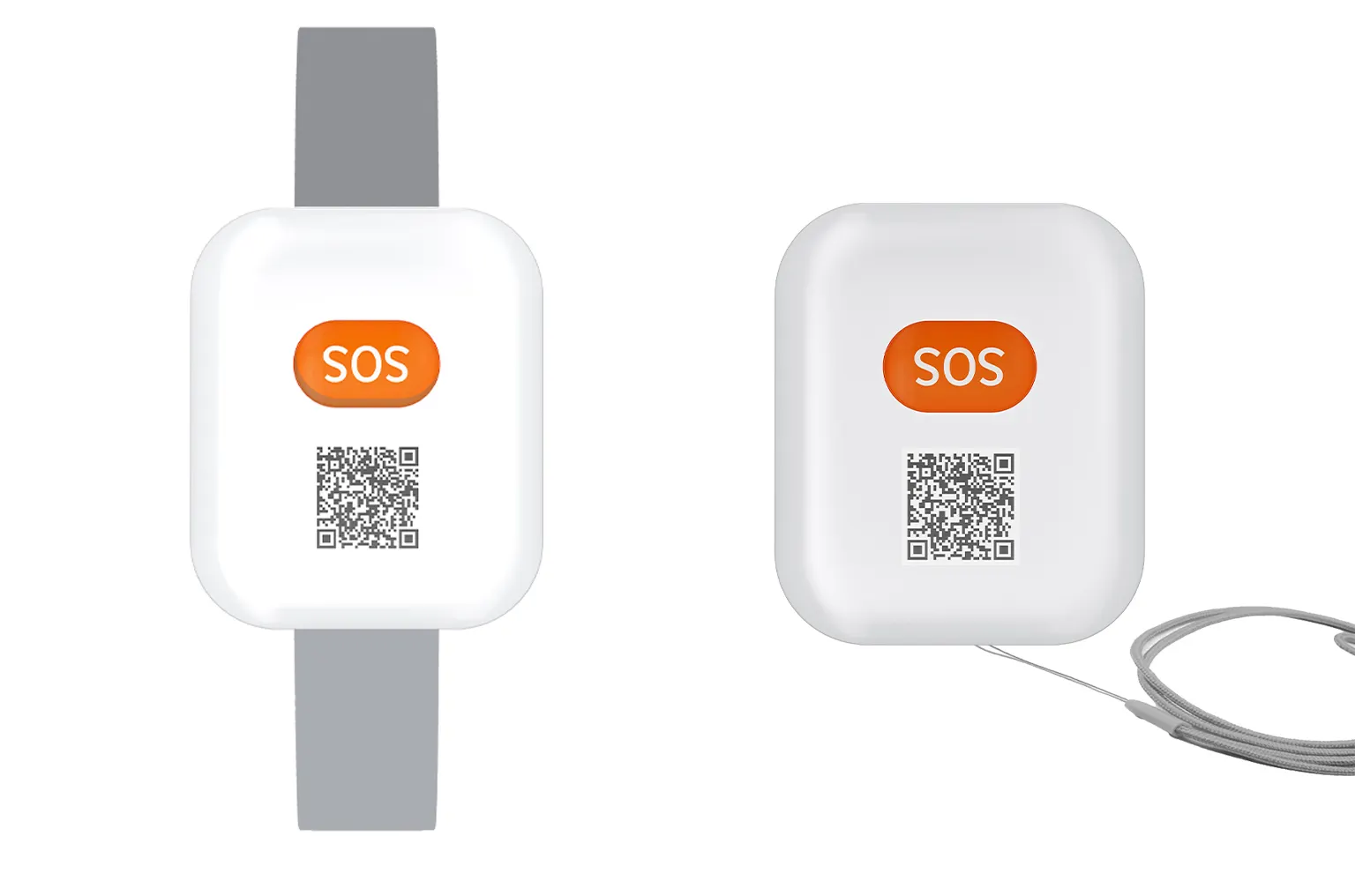
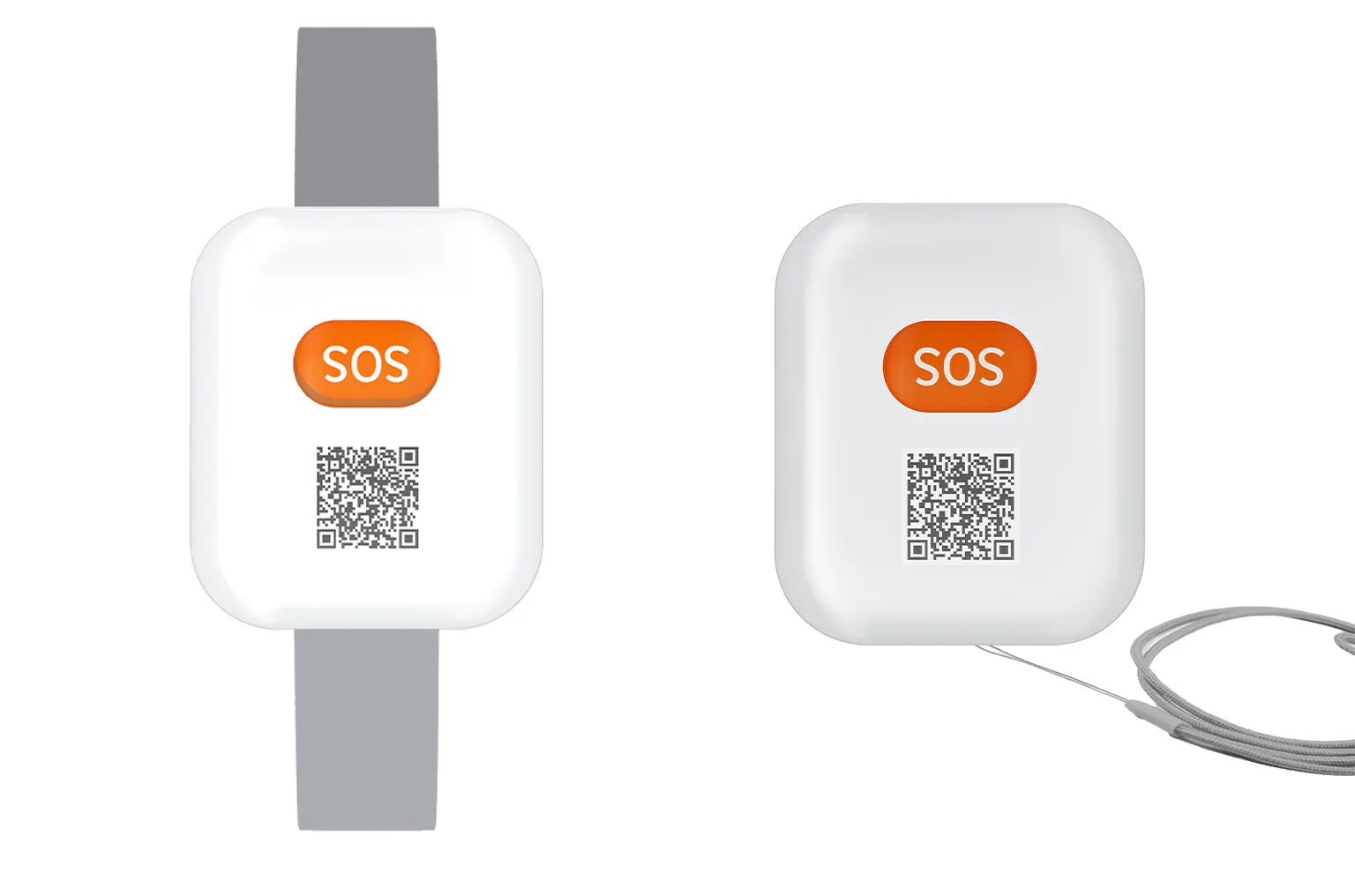
A client asked for a coherent family look across a smartwatch and SOS pendant. We aligned radii, chamfers, and surface textures so the two products read as siblings from a distance. Internally, we standardized fasteners, gaskets, and connector locations; shared inserts cut the mold count; and common test fixtures accelerated validation. Matching metal accents with matte plastics signaled quality while protecting the RF budget. Both units reached IP68 with identical seal strategies. The result: faster launch, lower tooling risk, and a recognizable ecosystem - an efficient path to a consistent OEM smartwatch enclosure portfolio.
✅ Collaboration Tips with Your OEM/ODM Partner
Good inputs make fast projects. Share intent early, validate often, and keep decisions documented.
- Mood boards and benchmark devices at kickoff
- PCB outlines, antenna plans, speaker/mic placement, and battery envelope
- Texture plates and finish swatches reviewed in multiple lighting conditions
- DFM/DFA checkpoints before tool cut; lock CTQs and inspection methods
- Color and accessory roadmap up front to steer smartwatch mold design and packaging
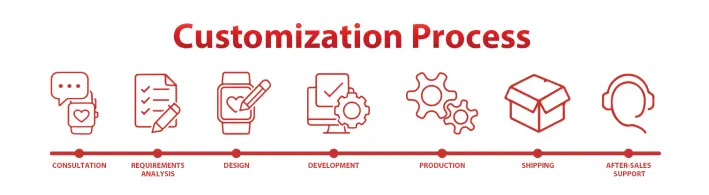
We run gates - concept, CAD, prototype, pilot - to reduce risk step by step. Each gate aligns schedule, cost, and certification so production starts with fewer surprises.
Closing Words
A strong enclosure is how you earn comfort, reliability, and brand trust at scale. By integrating ID, wearable device case design, smartwatch mold design, structure, and ODM smartwatch finish options from the outset, you create devices that look right, feel right, and build efficiently. JiAi Intelligent Technology partners with brands to deliver production-ready custom smartwatch housing - from OEM smartwatch enclosure engineering to factory execution. Planning a watch, pendant, tracker, or telecare hub? Let's turn your idea into a durable, beautiful product that users trust every day.