
Apple Watch Fall Detection vs Medical Alerts: Which Is Better for Elderly Care?

2026-04-24
Introduction
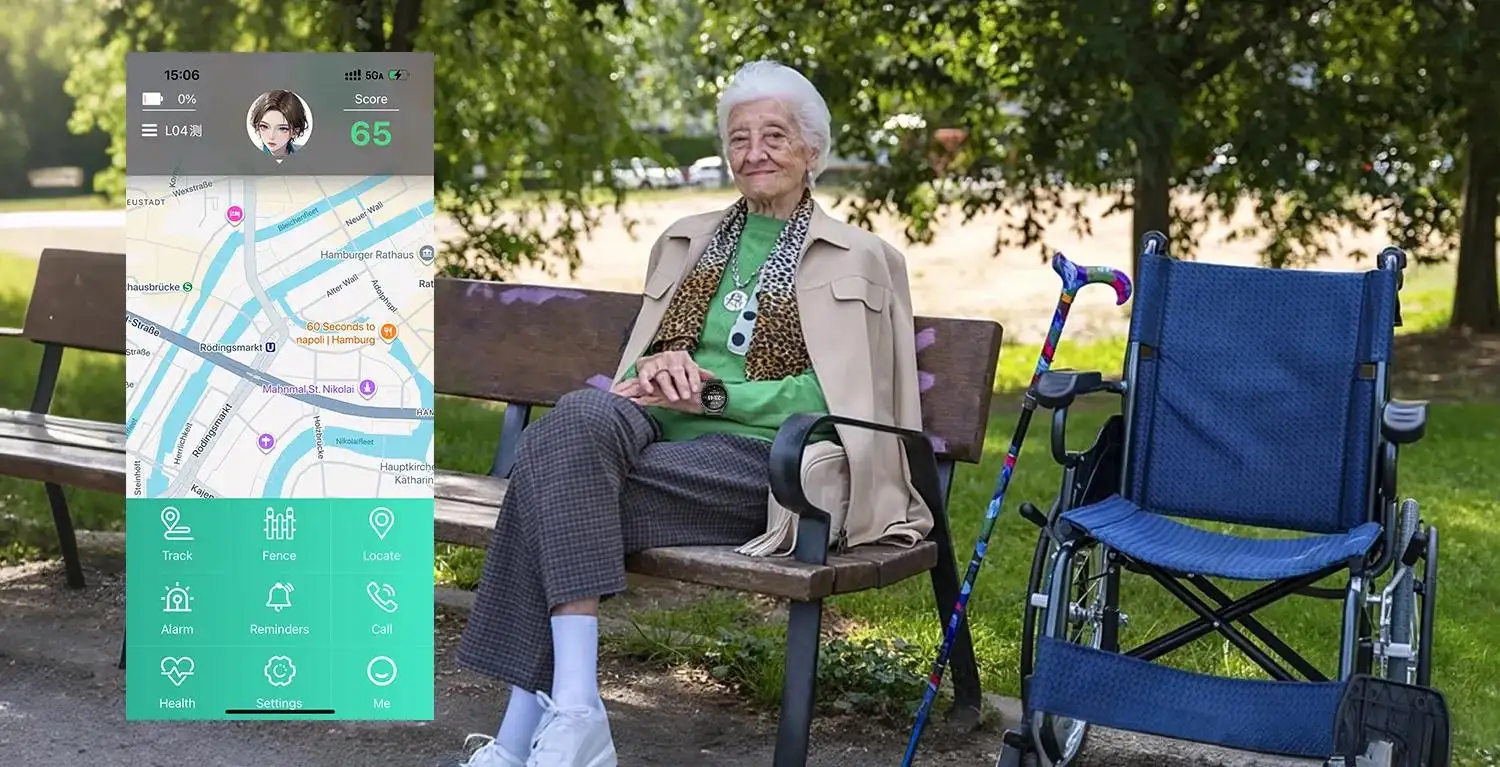
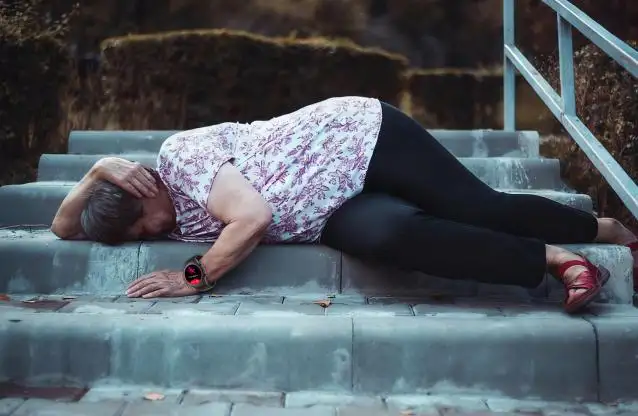
Searches for Apple Watch Fall Detection have increased significantly, showing growing interest in wearable safety solutions for older adults. As a manufacturer dedicated to elderly safety devices, JiAi Intelligent Technology has watched this trend closely. However, there is one question we hear repeatedly from healthcare providers and family caregivers alike. That is, are consumer smartwatches adequate for fall protection, or is a dedicated medical alert system the better option?
Here, we will analyze Medical Alert Vs Smartwatch scenarios and see the good and the bad of each to help you come to a conclusion of which option offers you the most peace of mind. We will start with the option of the device that is, most likely, still being talked about the most.
Consumer Smartwatches (Apple Watch, for Example)
Advantages
• Looks Smart: The Apple Watch, with its slim, sleek and modern look, is more visually pleasing to many seniors and is less “medical” looking than a traditional alert device.
• Multi-purpose: This device can do more than just fall detection and can also detect your heart rate or do an ECG and activity tracking, and serve as your smart phone.
• Jigsaw Puzzle: This device can do almost anything. It can easily connect to other devices, with an iPhone and family members, and can also have many of the health apps that other devices may need.
Disadvantages
• Charging: Most smartwatches need to be charged almost every day, and if they are dead at the time of the fall, that is a big gap of protection.
• Small Screen/Text: The Apple Watch features a small touchscreen that has small buttons that are also difficult to select, which can frustrate the user, so they may not find the Apple Watch very helpful.
• Poor telecare: There is a big gap of telecare with Apple Watch features allowing for fall detection and the emergency services features or family contact, and that fall detection signals do not go to a professional monitoring center. Telecare does not partner with the device either.
Medical Alert Systems
Advantages
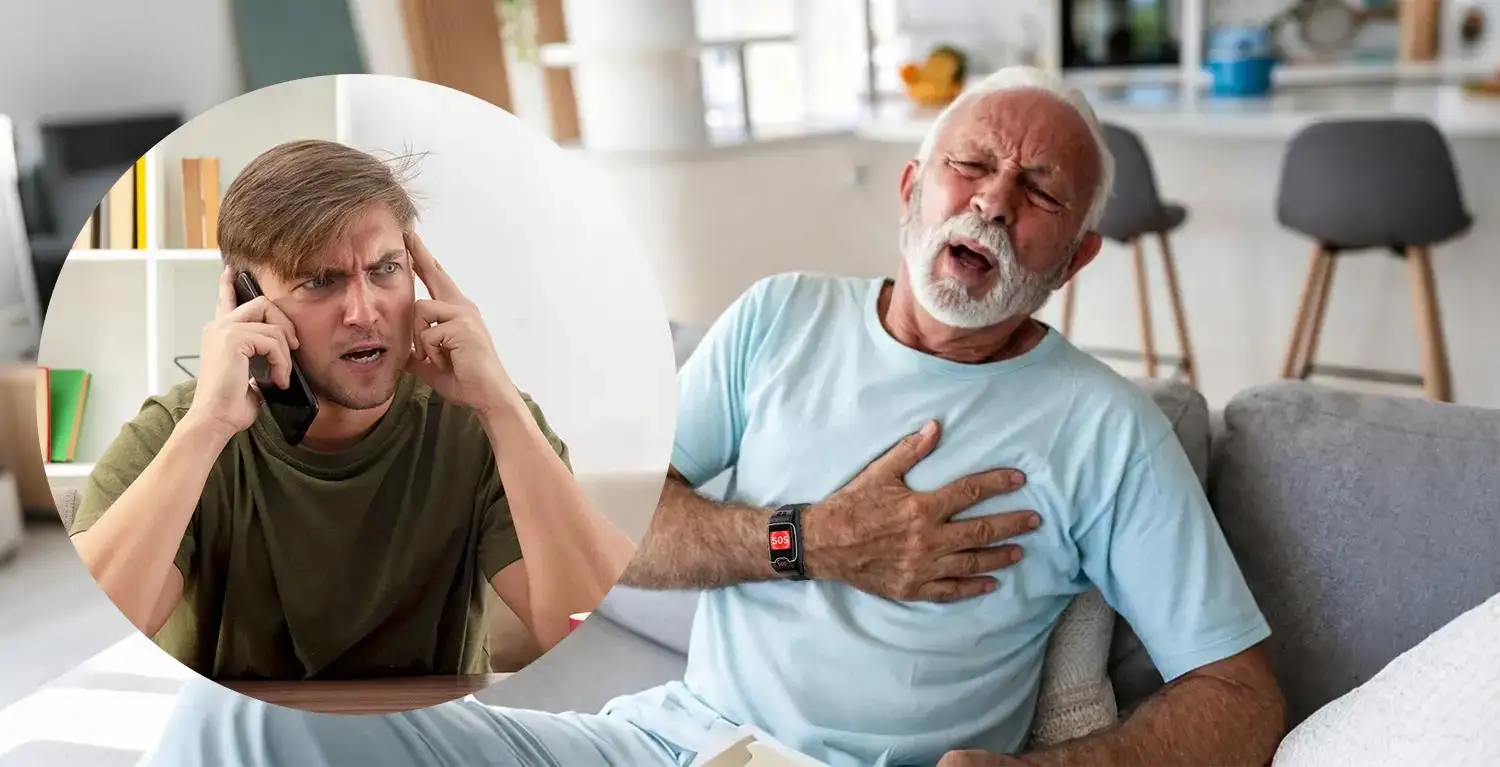
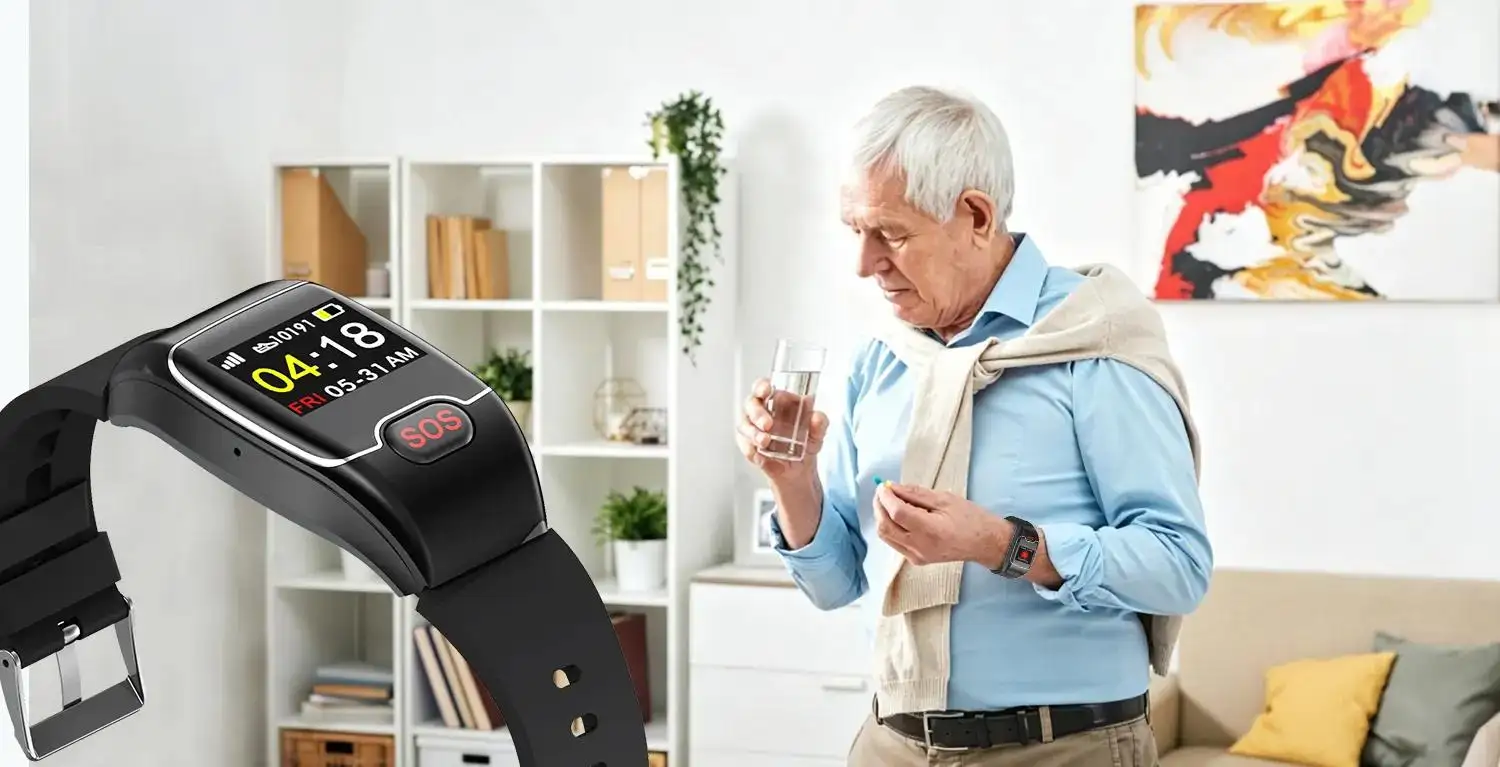
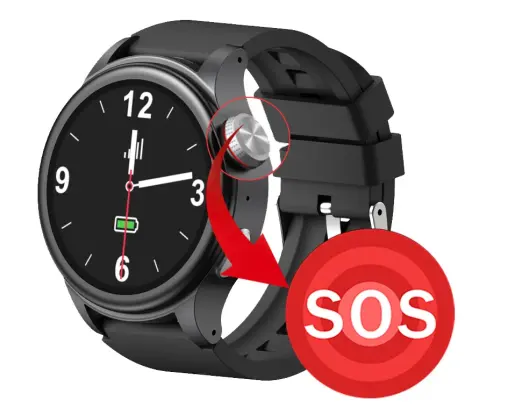
• Dedicated SOS option: The design of the SOS option reduces complexity by preventing users from accidentally swiping or going through confusing menus. Users can push a large SOS button located on a pendant or wristband, and receive help.
• Longer battery life: Decreases the risk of battery death, and subsequent protection loss, by having a longer battery life.
• Reliable emergency communication: Users can maintain emergency communication 24 hours a day and 7 days a week with emergency responders that have the capability of determining the emergency, calling family, and even sending an ambulance, despite the user being incapable of speaking.
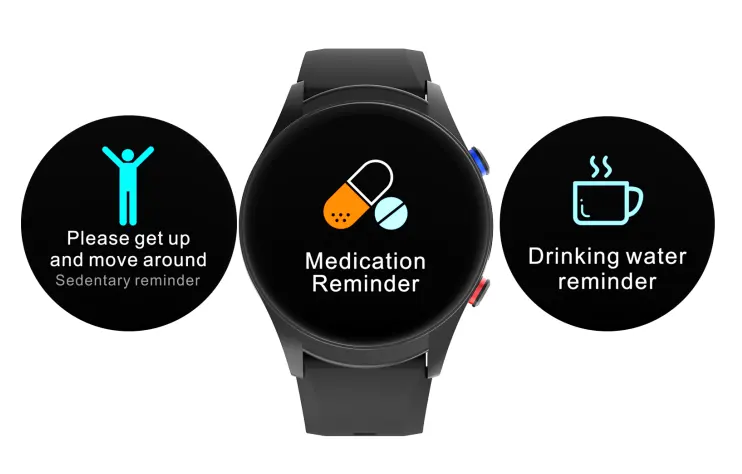
Building a true Fall Detection Smartwatch that fits JiAi as a manufacturer, will mean being able to sideline unnecessary smart functions to make space for critical safety functions.
Key Differences
| Feature | Smartwatch | Medical Alert System |
| Design | Consumer-focused (fashion, apps, notifications) | Safety-focused (easy access, high visibility, fall-resistant) |
| Battery | Short (1–2 days, frequent charging) | Long (weeks to months, minimal maintenance) |
| SOS | Secondary (buried in menus or auto-detection only) | Primary (dedicated physical button + optional auto-fall) |
| Integration | Limited (only smartphone/Apple ecosystem) | Telecare-ready (works with home sensors, voice extenders, caregiver portals) |
Which Is Better?
• For consumers (individual families caring for an aging parent):
A smartwatch like Apple Watch can work if the senior is already comfortable with technology and has a caregiver who ensures daily charging and proper setup. More older adults opt for medical alert systems because they're simple and reliable.
• Healthcare providers:
Telecare devices are best. They connect to professional monitoring systems, are designed as medical devices, have long battery lives, and offer automatic fall confirmation, two-way voice, and roaming coverage. That's why JiAi Intelligent Technology only designs Elderly Safety Devices for clinical and long-term care, because consumer gadgets are not reliable.
Conclusion
Although Apple Watch's fall detection feature is an innovative design and has changed the conversation around paid fall detection, Apple Watches are not medical alert systems, but are consumer smartwatches. Due to the convenience of smartwatches, from battery life to simplicity of the user as the primary fall detection system, smartwatches are often seen as inferior products when compared to medical alert systems.
For peace of mind, families who need reliable, simple systems should opt for medical alert systems. Healthcare providers should use devices that meet telecare and professional monitoring system consolidation. We believe that when medical alert safety devices are in the conversation, the answer is smart devices. Your loved one does not need nightly software updates and re charging turns, because every second counts.