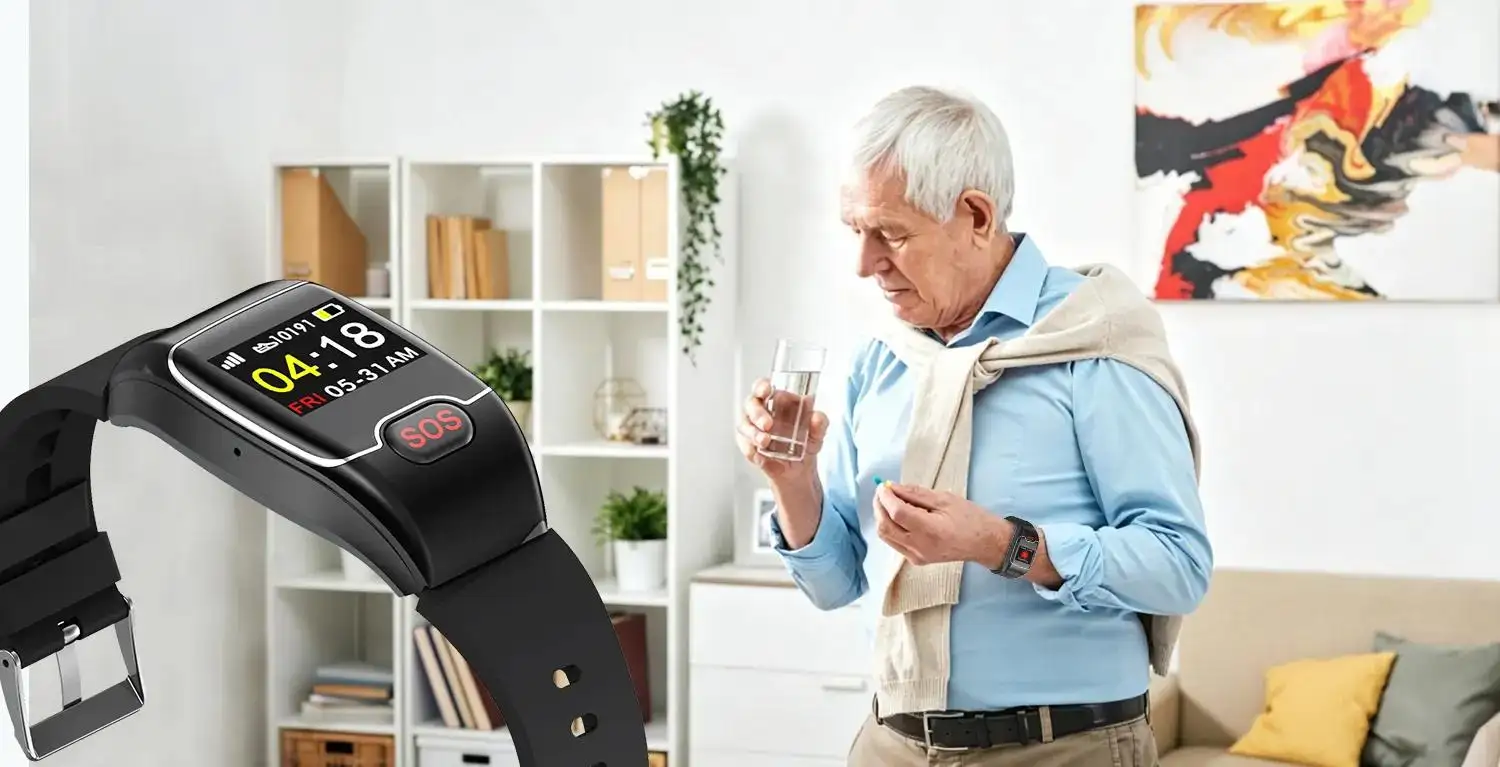

The Ultimate Guide to Different Types of Watches

2026-02-09
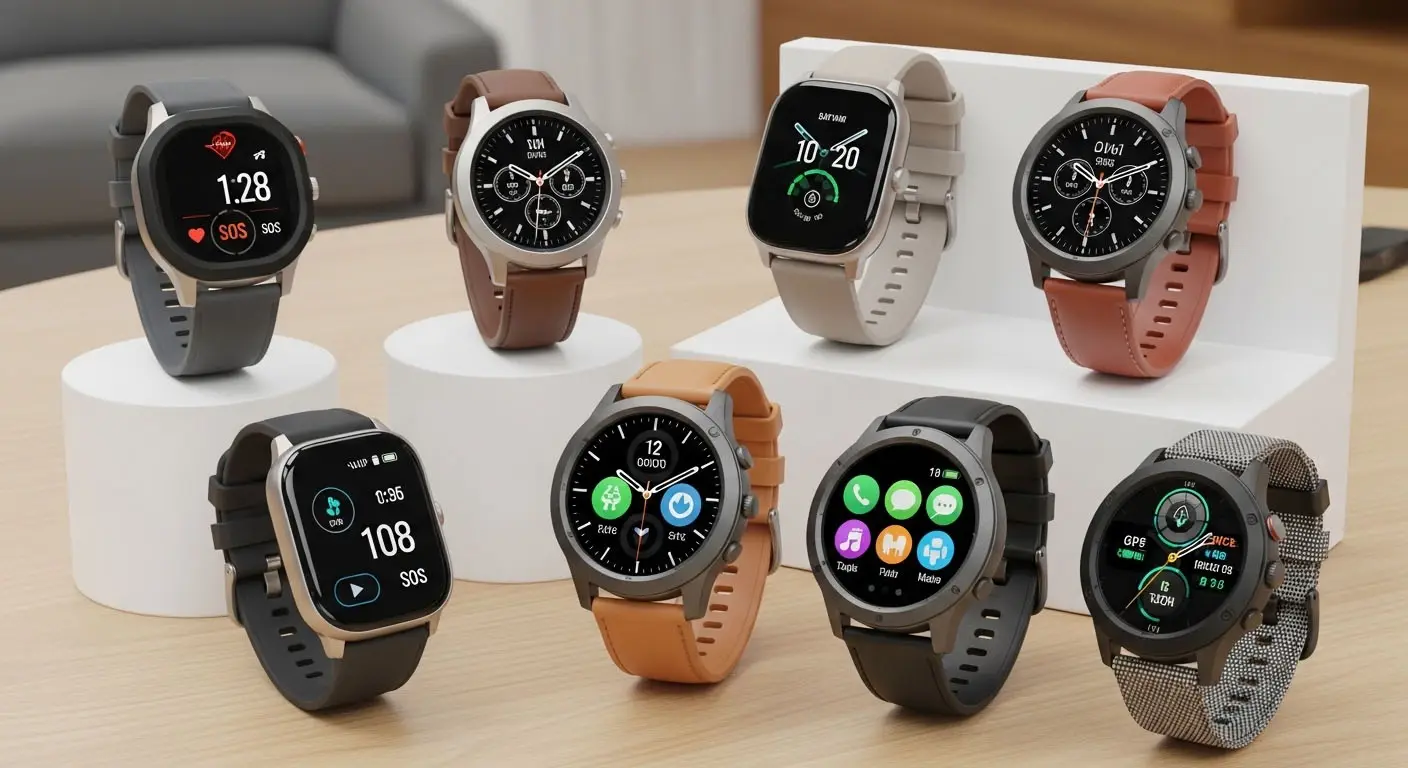
Watches have been more than just tools for telling time for centuries — they’re symbols of craftsmanship, expressions of personal style, and reminders of how humans have mastered precision engineering over generations. Today’s watch world is vast and varied: from traditional mechanical timepieces to high-tech smartwatches, there’s a type of watch suited for virtually every taste and purpose. Whether you’re new to horology or looking to deepen your appreciation for wristwear, this guide covers everything you should know about the different types of watches, how they work, and the styles that define them.
🕰️ What Defines a Watch?
Before we explore the types, let’s clarify what a watch actually is. At its core, a watch is a portable timepiece designed to display the time — but throughout history it has evolved into objects that can include calendars, stopwatches, fitness tracking, and even mobile connectivity. Today, watches are judged by three key aspects: movement, functionality, and style.
⛓️ Types of Watch Movements
The “movement” of a watch refers to its internal mechanism — the engine that powers it and keeps time. There are several main movement types you’ll encounter:
1. Mechanical Watches
Mechanical watches are the most traditional type of movement. They are powered by a tightly wound mainspring that slowly unwinds, regulating time through a series of tiny gears and springs. These are prized for their craftsmanship and heritage. Mechanical watches often appeal to enthusiasts because of the skill and artistry involved in their creation.
2. Automatic Watches
Automatic watches are a subset of mechanical watches, but with a twist: they self-wind thanks to the motion of your wrist. Inside, a small rotor spins with your movement, tightening the mainspring. If worn daily, an automatic watch can run indefinitely without manual winding.
3. Quartz Watches
Quartz watches are powered by a tiny battery and regulated by a quartz crystal — this gives them remarkable timekeeping accuracy. Most quartz watches only need a battery change every few years, making them affordable, low-maintenance, and extremely reliable.
4. Solar Watches
Solar watches use light (natural and artificial) to recharge an internal battery. They often feature a solar cell built into the dial or underneath it. Once fully charged, a solar watch can run for months without additional light exposure.
📐 Functional Categories of Watches
How a watch displays time and what additional features it offers can also define its type.
5. Analogue Watches
Analogue watches use traditional hands — hour, minute, and often second — to display time on a dial. This is the classic look most people associate with wristwatches, and it can be found across nearly every style.
6. Digital Watches
Digital watches display time numerically — typically using LCD or LED screens. Many digital watches also include features like alarms, stopwatches, GPS, and more. These are often functional and budget-friendly.
7. Chronograph Watches
A chronograph is essentially a watch with a built-in stopwatch. It usually has extra subdials and buttons on the case to start, stop, and reset timing functions. Chronograph watches blend practicality with sporty design.
8. Hybrid Watches
Hybrid watches combine analogue faces with smart features. They maintain a classic look while offering notifications, fitness tracking, or other digital elements.
🎨 Popular Watch Styles
Beyond movement and basic function, watches also fall into specific style categories that convey different uses or aesthetics.
9. Dress Watches
Dress watches are refined, elegant, and minimalist — designed to complement formal attire or professional settings. They often have simple dials, thin cases, and classic leather straps or metal bracelets.
10. Dive Watches
Created for underwater use, dive watches are rugged and water-resistant to significant depths (commonly at least 100 m). They typically feature clear dials, a unidirectional bezel for timing, and robust construction.
11. Aviator (Pilot) Watches
Originally for pilots, aviator watches emphasize legibility and functionality. They often have large, easy-to-read dials and may include features like GMT timezones or slide rule bezels.
12. Field Watches
Field watches trace their heritage back to military use. They are built tough with simple, readable dials and often rugged straps — perfect for outdoor wear.
13. Racing Watches
With strong ties to motorsports, racing watches frequently include chronograph functions and tachymeter scales, making them ideal for timing speed and distance.
14. Smart Watches
Smartwatches merge wearable tech with traditional timekeeping. They can connect to your phone to deliver notifications, monitor health metrics, track workouts, and even support apps.
15. Fitness Watches
While similar to smartwatches, fitness watches focus heavily on health data — heart rate, steps, sleep patterns, GPS tracking, and workouts — often with rugged designs.
16. Pocket Watches
Although less common today, pocket watches remain a timeless accessory. They are carried in a pocket rather than worn on the wrist, often suspended from a chain.
17. Fashion Watches
These watches are all about style. Many use quartz movements and prioritize design and brand aesthetics over specialized functionality.
18. Luxury Watches
Luxury watches are defined by premium materials, artisanal finishing, and often prestigious heritage. Watches from high-end brands frequently involve meticulous hand-crafting and haute horology.
🧠 Choosing the Right Watch
Now that you know the types, here’s how to think about picking one:
-
Daily wear: A quartz or solar watch offers reliability and low maintenance.
-
Collector or enthusiast: Mechanical or automatic watches deliver craftsmanship and history.
-
Active lifestyle: Dive, sport, or fitness watches offer durability and functionality.
-
Formal occasions: Dress watches or luxury timepieces elevate your ensemble.
-
Tech users: Smartwatches bring your wrist into the digital ecosystem.
Across all categories, consider movement accuracy, design preference, comfort, and budget to find the watch that’s truly right for you.
📌 Final Thoughts
The world of watches is vast and varied — from heritage mechanical timepieces to cutting-edge smart technology. Each type has its own charm, benefits, and place in your collection. Whether you want a timeless classic, a rugged adventurer, or a connected companion on your wrist, there’s a perfect watch out there for you