
4G Smartwatch PCB Design: Essential Guidelines for Elderly Wearables

2025-08-27

Real-time location, a one-touch SOS, clear two-way calling, and health tracking all depend on a robust board and radio chain. At JiAi Intelligent Technology, reliability is designed in from day one. Our work on 4G smartwatch PCB design and elderly smartwatch hardware design keeps life-saving features responsive when they are needed most. In this article we explain how we turn an idea into a dependable 4G LTE wearable device - from clear requirements to certification and volume build - so brands and B2B partners can launch with confidence and scale without surprises.

Step 1: Define Functional Requirements
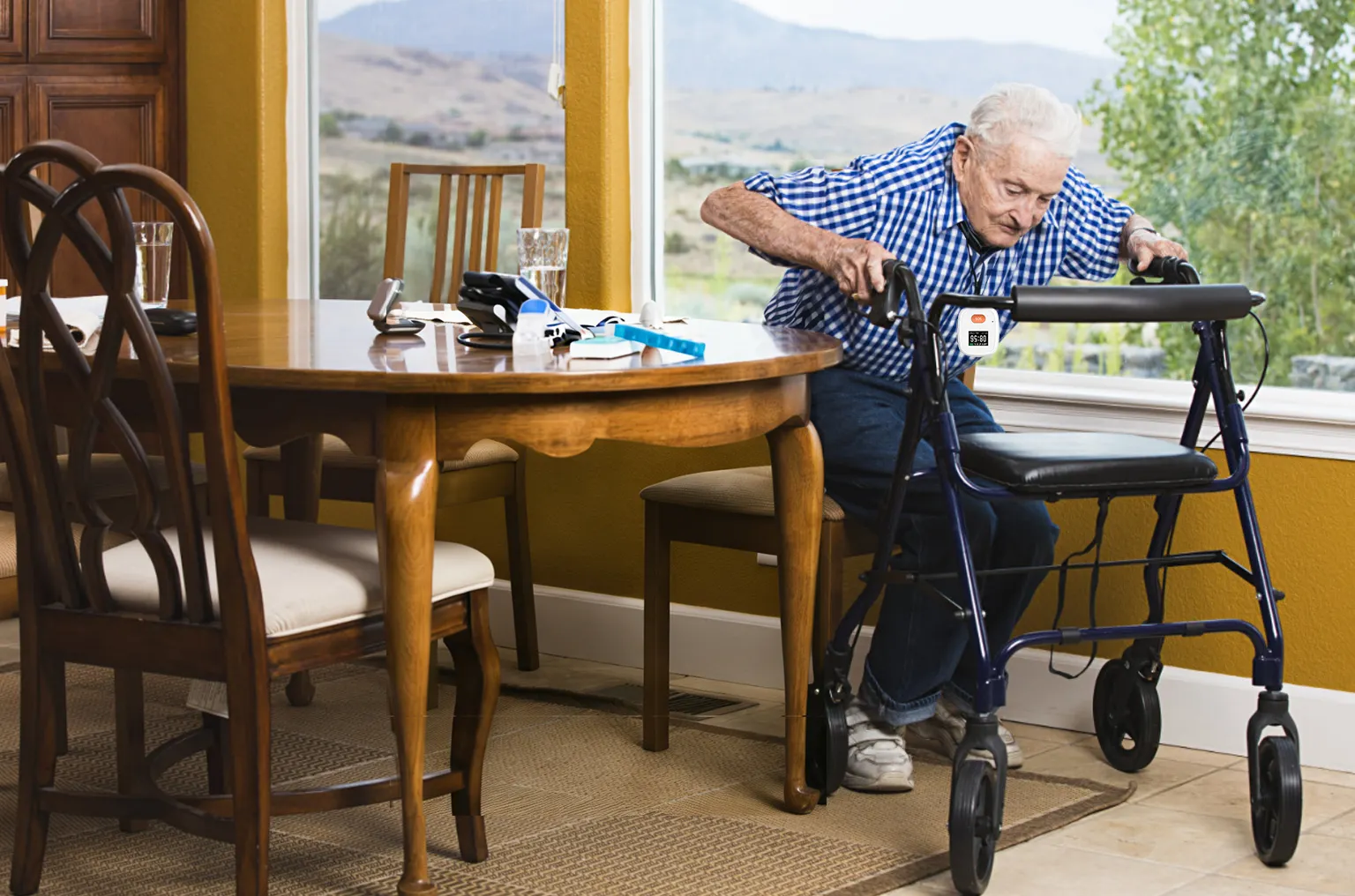
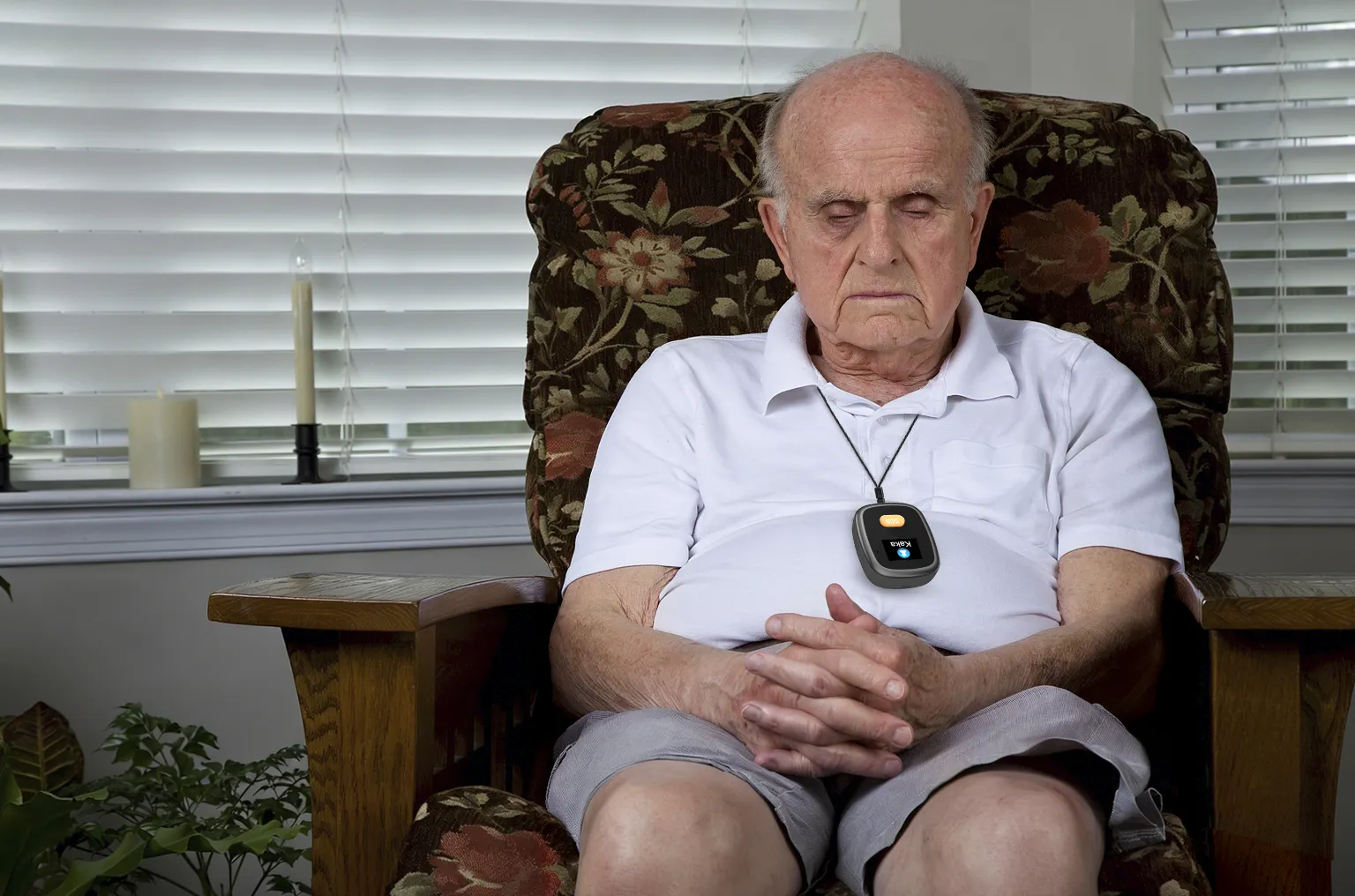
Great devices start with plain, testable goals. We map the senior's daily journey, then translate it into specs that guide IoT PCB design decisions. Coverage and positioning come first, followed by usability and endurance. Caregivers value fast alerts and consistent location updates; wearers want a simple interface, audible prompts, and long battery life.
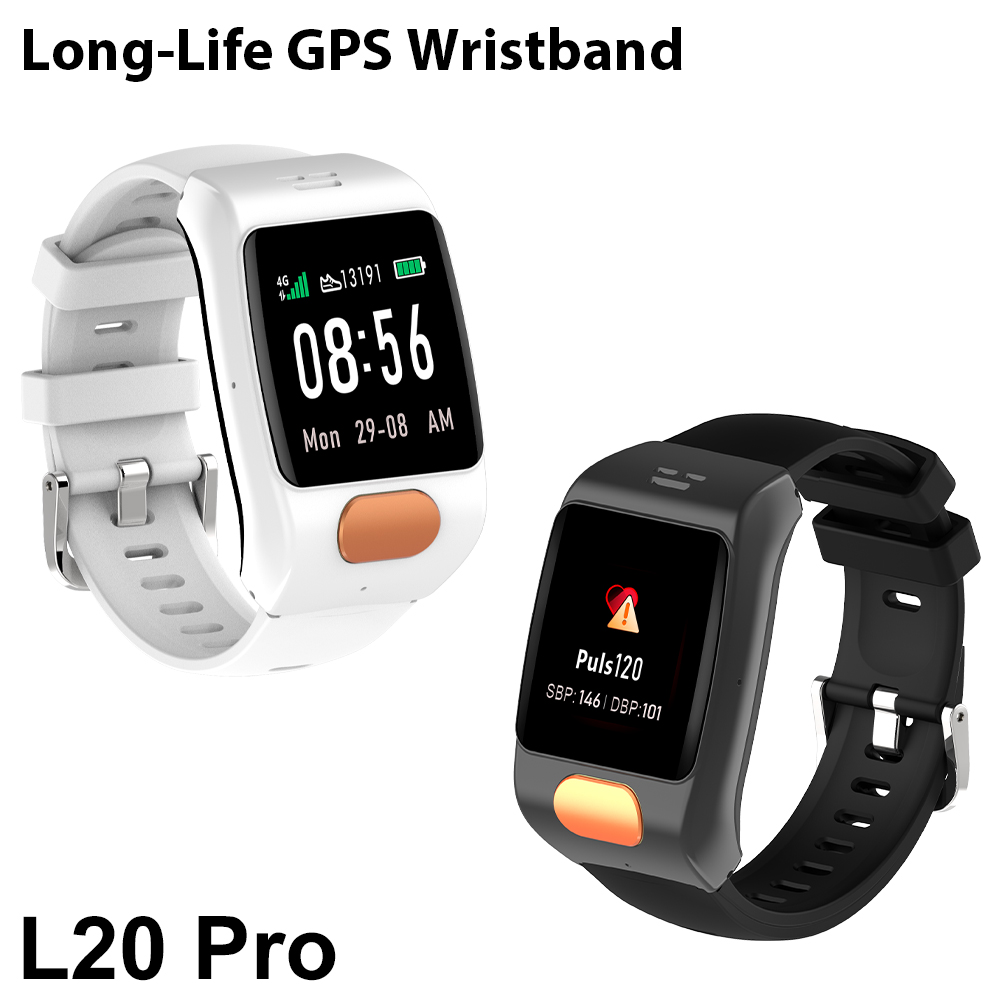
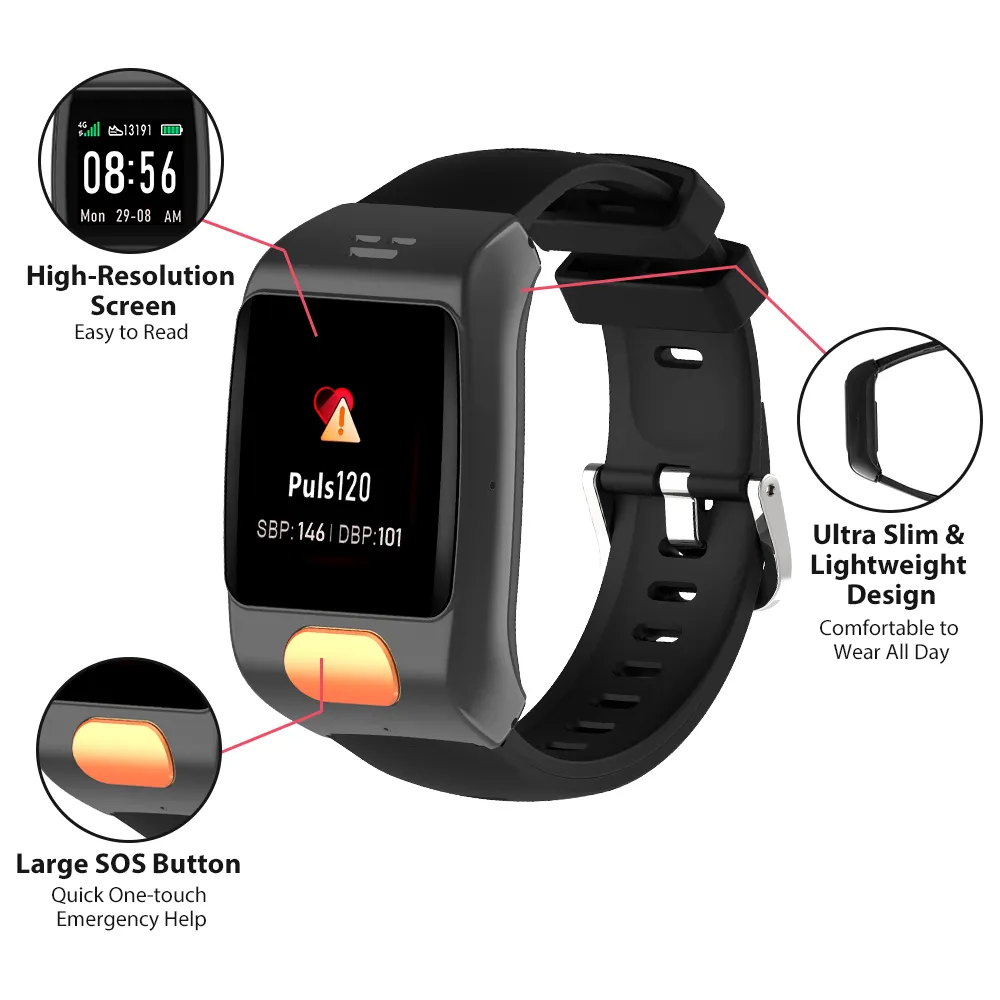
• Real-time GPS/LBS/Wi-Fi positioning for indoors and outdoors
• One-touch SOS with fast network attach and fallback logic
• Two-way calling that stays clear on a busy street
• Heart-rate and activity tracking tuned for senior movement
• A high-contrast UI with large icons and haptic cues
This list becomes the backbone of the program: it prevents scope creep and keeps the wearable PCB layout and firmware aligned.
Step 2: Choose the Right Chipset and Modules
Component choice sets the ceiling for performance and cost. For cellular we select LTE Cat-1/Cat-1 bis or Cat-M/NB-IoT based on regions and voice needs. A low-power MCU/SoC with Bluetooth LE and multi-constellation GNSS delivers accurate tracking without draining the battery. We also review vendor roadmaps, global band support, security features, and existing CE/FCC files to accelerate approvals. A proven PMIC, trusted audio path, and secure element complete a resilient core - ideal for a custom smartwatch ODM program that must live through carrier sunsets.
Step 3: PCB Layout for Compact Wearables
Space is tight on the wrist, so layout discipline matters more than part count. We use HDI, microvias, and often rigid-flex to isolate noisy digital sections from RF paths while placing sensors close to the skin. Controlled-impedance LTE and GNSS routes reduce loss; stitched ground and short returns cut desense and emissions. Thermal spreading copper under the modem handles short, high current bursts during uploads - comfort and performance both benefit.
• Multilayer stack-ups with dedicated RF, digital, and power planes
• Short, matched RF paths plus accessible tuning points
• Sensor placement that protects optical HR accuracy
• Generous ground vias and solid reference planes to tame EMI
A clean wearable PCB layout means fewer dropped calls and more reliable tracking in real life.
Step 4: Antenna Design & Placement
Antenna quality decides whether the SOS gets out on a bad day. We favor flexible FPC or compact ceramic elements for LTE and GNSS, sometimes using the strap as part of the radiator. Keep-out zones, stable ground, and plastic-friendly materials improve efficiency. We test early in the intended enclosure and on different wrist sizes to avoid detuning by metal housings or clasps.
• Maintain ground clearance; avoid metal shadows near antennas
• Add tunable matching for operator variants and case options
• Prove performance in weak-signal elevators and urban canyons
• Lower GNSS noise with careful regulator and clock placement
This is where a paper spec becomes a trustworthy 4G smartwatch PCB design.
Step 5: Power Management
Endurance is a daily promise, not a lab number. Our strategy blends efficient buck/boost stages, dynamic voltage scaling, and aggressive sleep states. LTE current spikes are buffered with low-ESR capacitors and a small reservoir so rails stay stable during uplink bursts. A precise fuel gauge feeds the UI with honest remaining time. Safety circuits - over-charge, over-current, and thermal - are non-negotiable in elderly smartwatch hardware design.
Firmware finishes the job. GNSS fixes, network pings, sensor reads, and screen timeouts are scheduled to avoid overlap. Opportunistic Wi-Fi positioning and adaptive speaker gain extend life without hurting the experience. The result is predictable battery performance across real duty cycles, not just a best-case headline.
Step 6: Prototyping and Testing
We move fast but measure everything. EVT validates function, DVT hardens reliability, and PVT checks line readiness. Labs run signal-integrity and EMI scans; chambers simulate heat, sweat, and moisture; drop and strap-fatigue tests protect the form factor. Field pilots confirm SOS latency, voice clarity, and geo-fence behavior on live networks - not just in a shielded room.
• LTE/GNSS/BLE coexistence and desense checks
• Endurance tests across realistic usage profiles
• Assembled-unit water resistance verification
• Fall-detection tuning on diverse motion patterns
With hardware and firmware teams under one roof, our custom smartwatch ODM approach lets us refine algorithms and the board in parallel.
Step 7: Compliance and Certification
Global sales require a plan, not a scramble. We design for CE and FCC from the first layout, including SAR for wrist-worn radios. Environmental rules - RoHS/REACH - and battery standards like UN 38.3 and IEC 62133 are tracked in the DVP&R and BoM. If a customer targets wellness rather than medical claims, we align labeling and documentation accordingly. Early pre-scans and test pads reduce rework, and shield can options give margin if a late change appears.
Step 8: Prepare for Mass Production
This is where engineering meets the calendar. Our smartwatch PCB manufacturing lines place micro-BGAs and 0201 passives with tight process control. AOI and X-ray catch hidden defects; functional jigs verify cellular attach, GNSS lock, audio paths, and sensor calibration at speed. We improve yield with DFM/DFT: panelization, solid fiducials, and probe-friendly test points.
• Golden samples with locked firmware for line tuning
• Per-unit HR and motion calibration for consistent readings
• End-of-line OTA checks to confirm antenna integrity
• Sourcing plans that protect continuity beyond the first build
The unboxing experience also matters. Magnetic chargers that align easily, clear quick-start guides, and caregiver onboarding via QR reduce support calls and increase adoption.
Conclusion
For senior safety, reliability is the feature. A thoughtful plan for 4G smartwatch PCB design - supported by careful part selection, disciplined wearable PCB layout, proven antennas, and power-aware firmware - creates a product families and institutions can trust. At JiAi Intelligent Technology, we combine real-time location, one-touch SOS, two-way voice, health monitoring, geo-fencing, and a simple interface into a practical 4G LTE wearable device. If you are kicking off an elderly smartwatch hardware design program or need a custom smartwatch ODM partner, we can take you from concept to certified product and stable mass production, with fewer risks and a shorter path to scale.